Stone Sour
Dry shake ∙ 5 min ∙ 12.3% ABV ∙
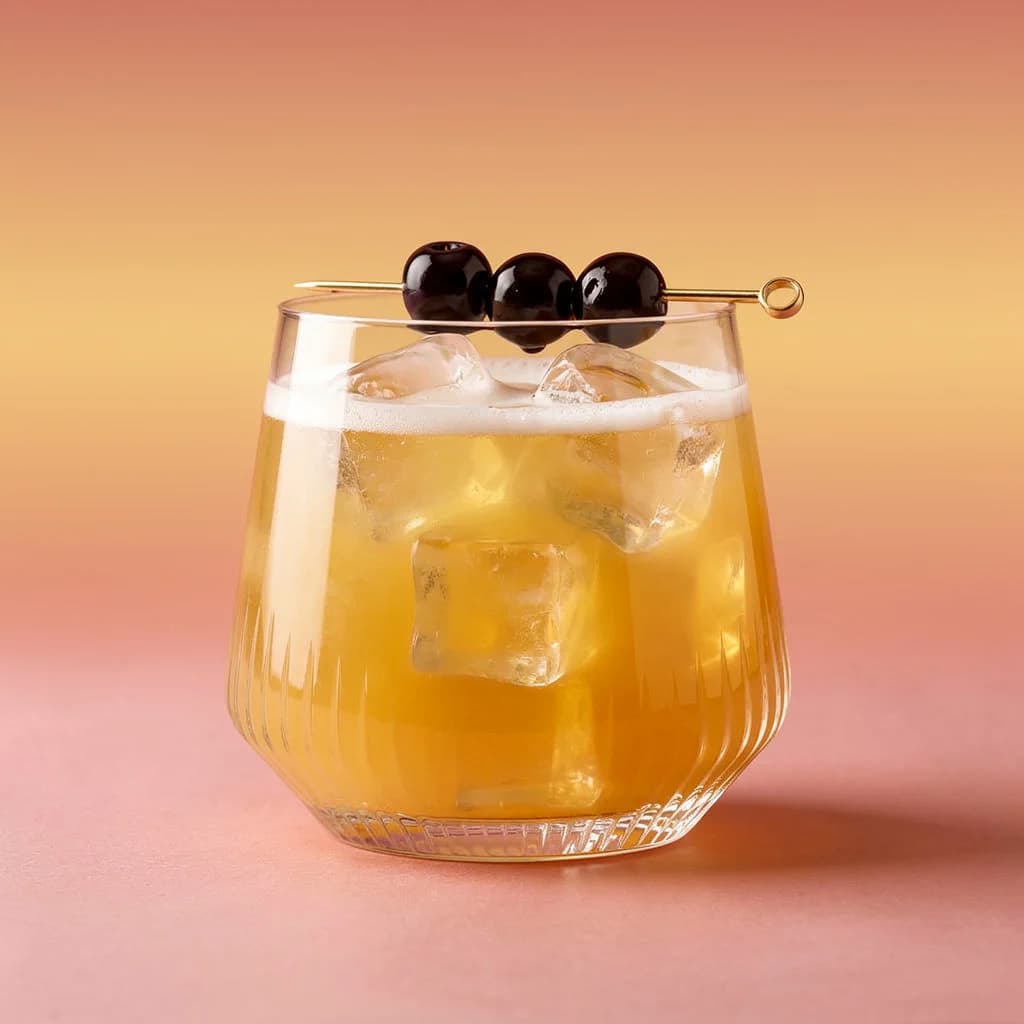
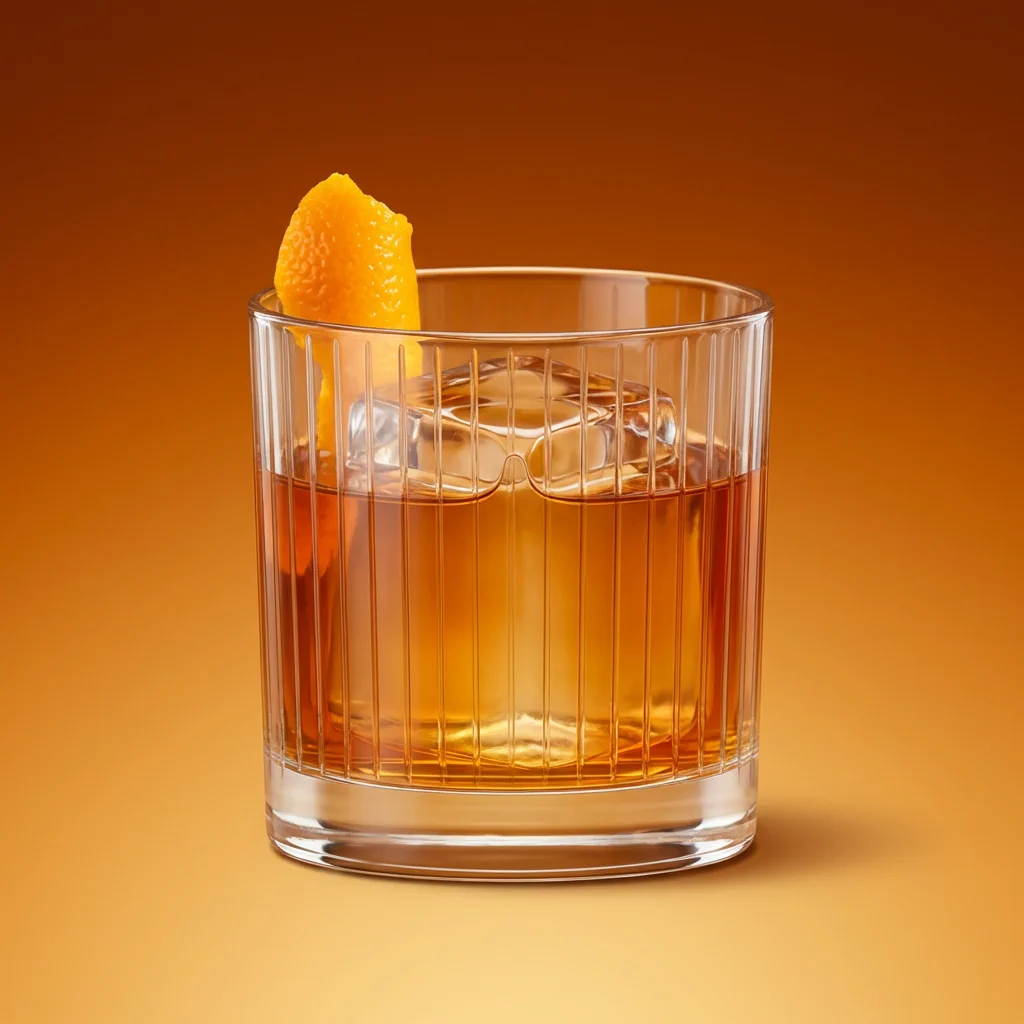
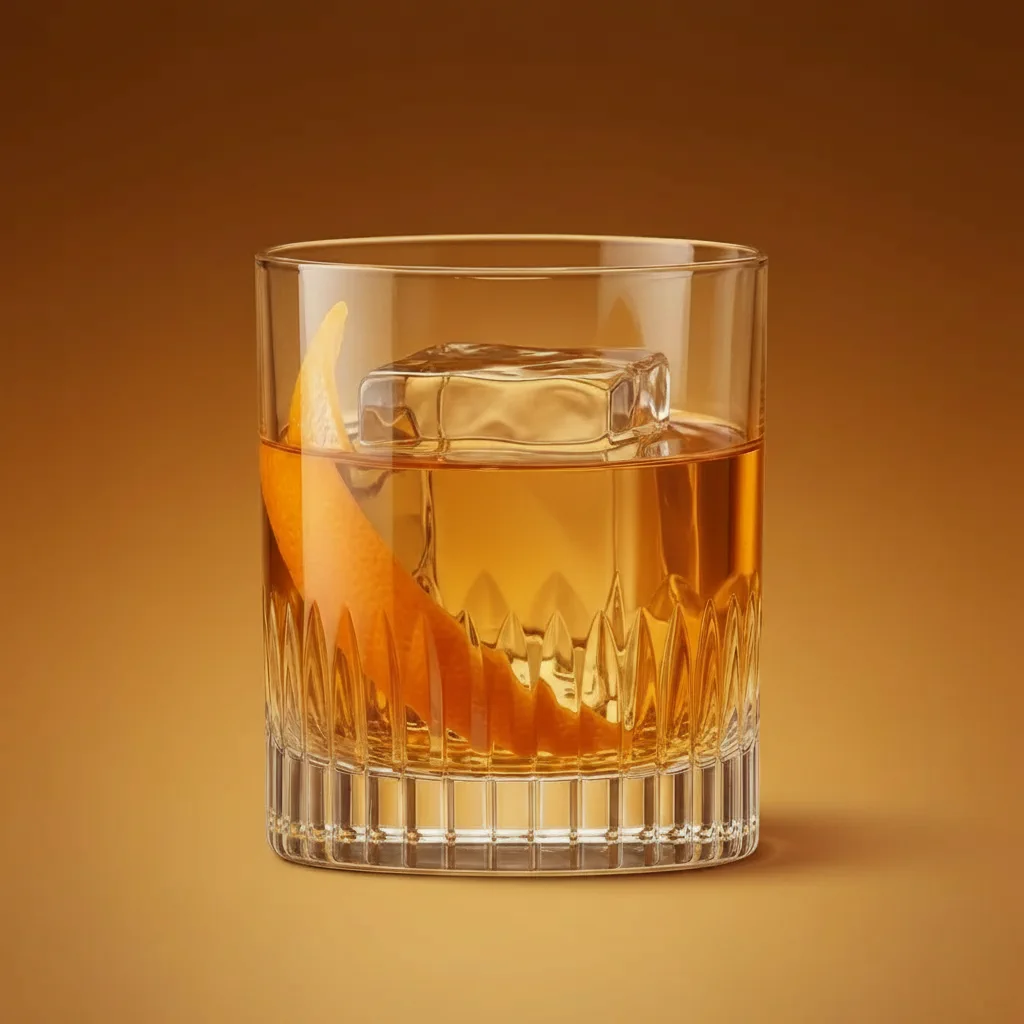
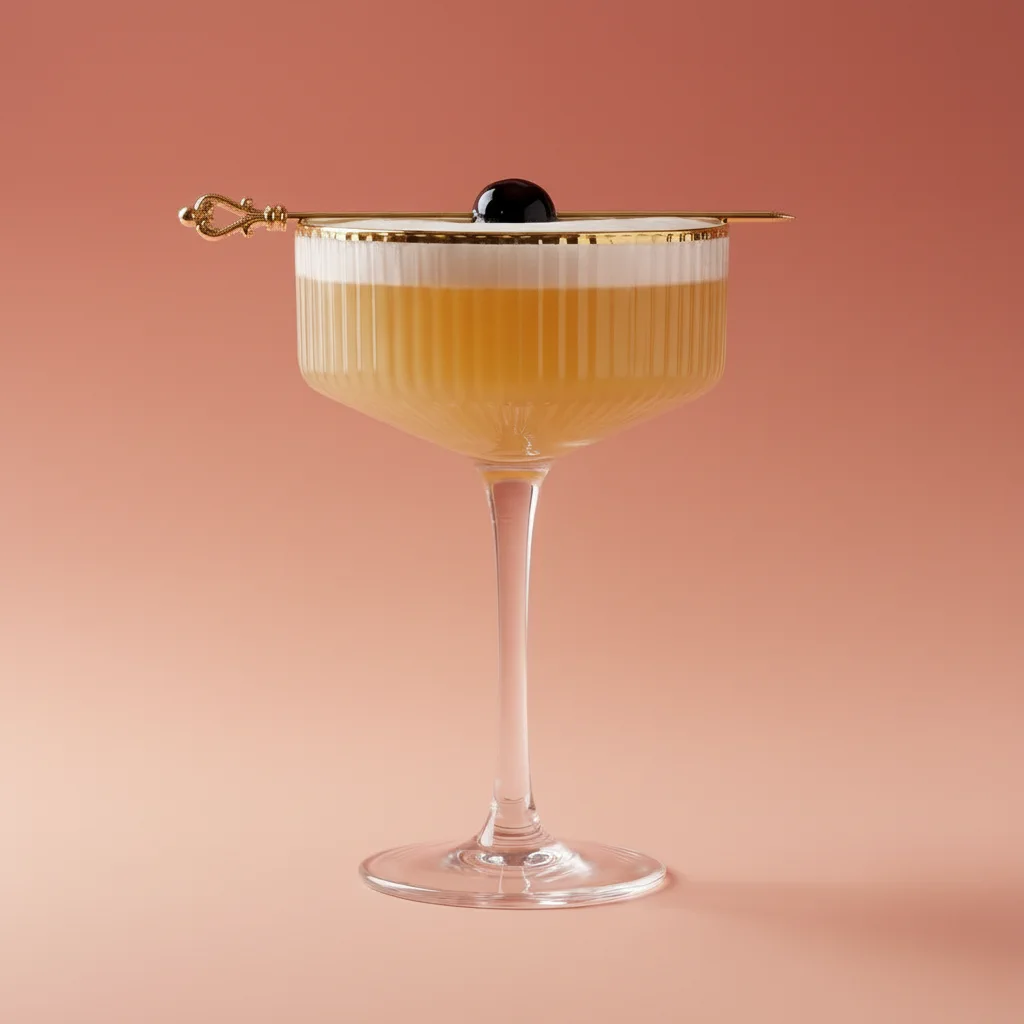
The Stone Sour is a bourbon sour brightened with fresh orange juice alongside the usual lemon, sugar and egg white. Tart lemon and rounder orange sit over warm bourbon, with a touch of apricot sweetness and a silky egg-white foam; an easygoing anytime sipper.
Ingredients
1
Servings
Garnish

Instructions for 1 serving
- Pre-chill a glass
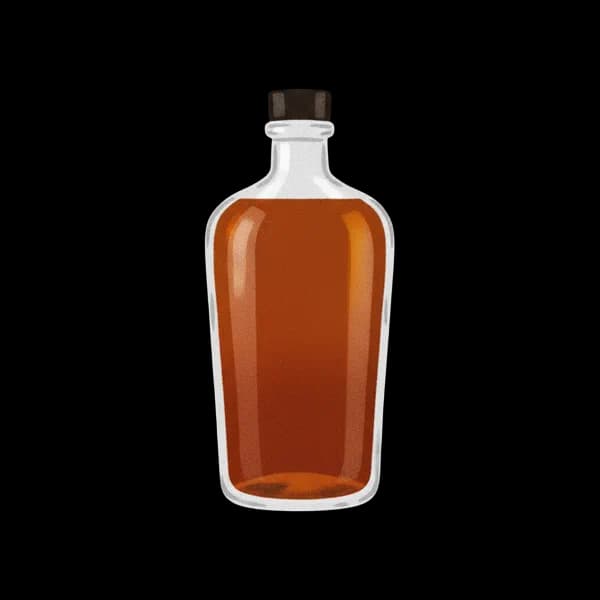
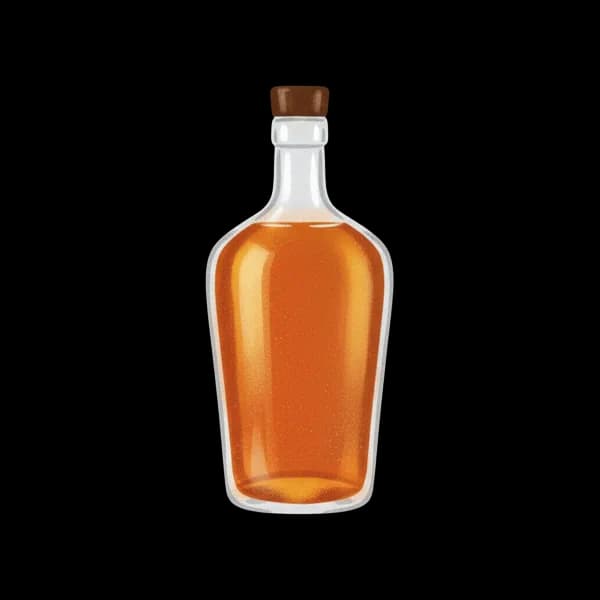
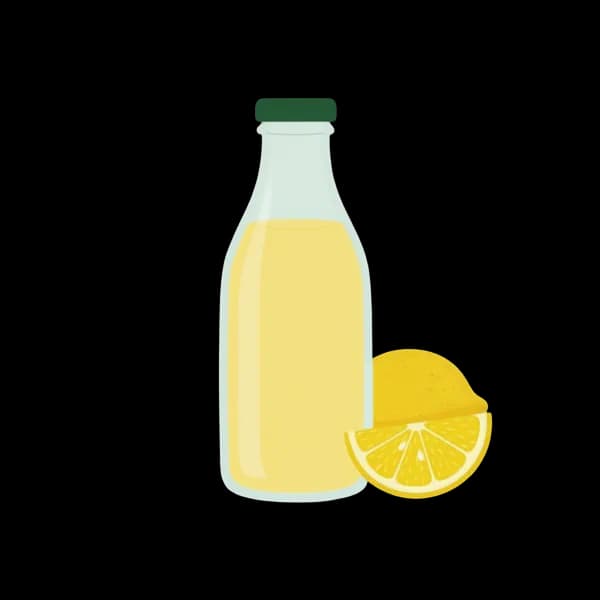
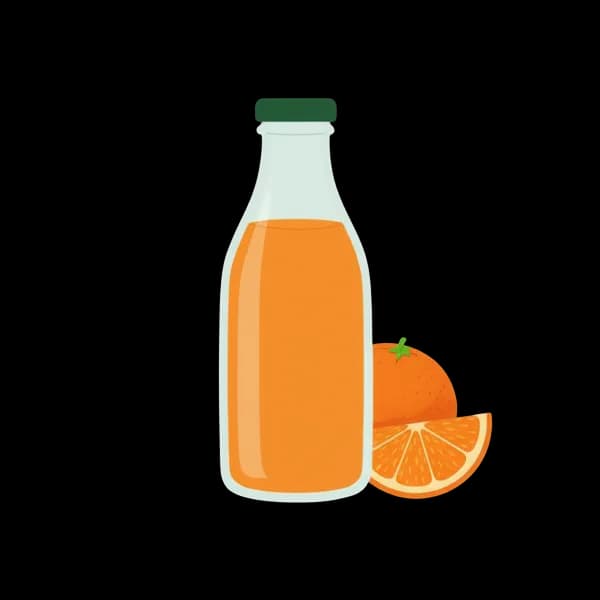
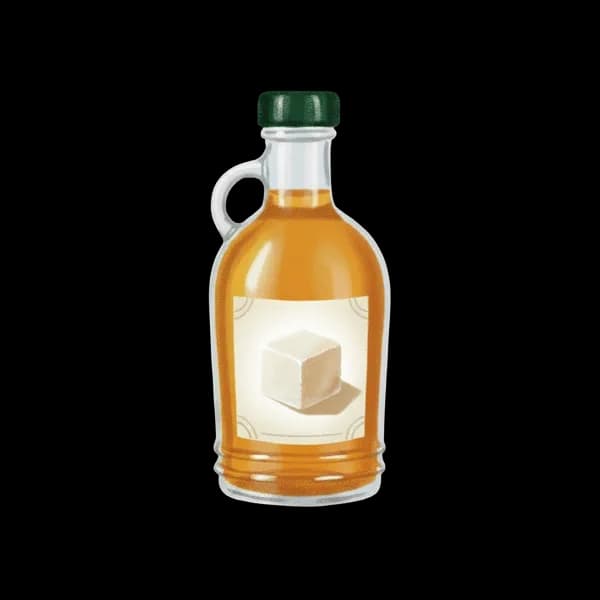
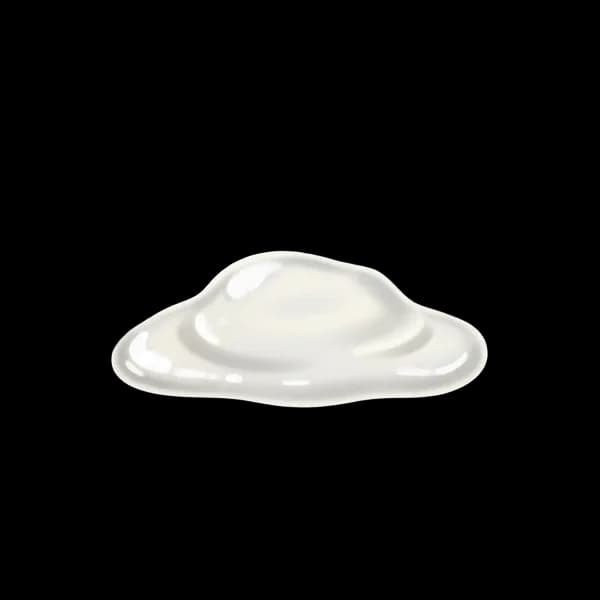
- Shake all ingredients with ice: Bourbon 45 mlApricot brandy liqueur 5 mlLemon juice 25 mlOrange juice 25 mlSugar syrup 15 mlEgg white 15 ml
- Strain back into the shaker
- Dry shake (without ice) to emulsify
- Fine strain into the chilled glass
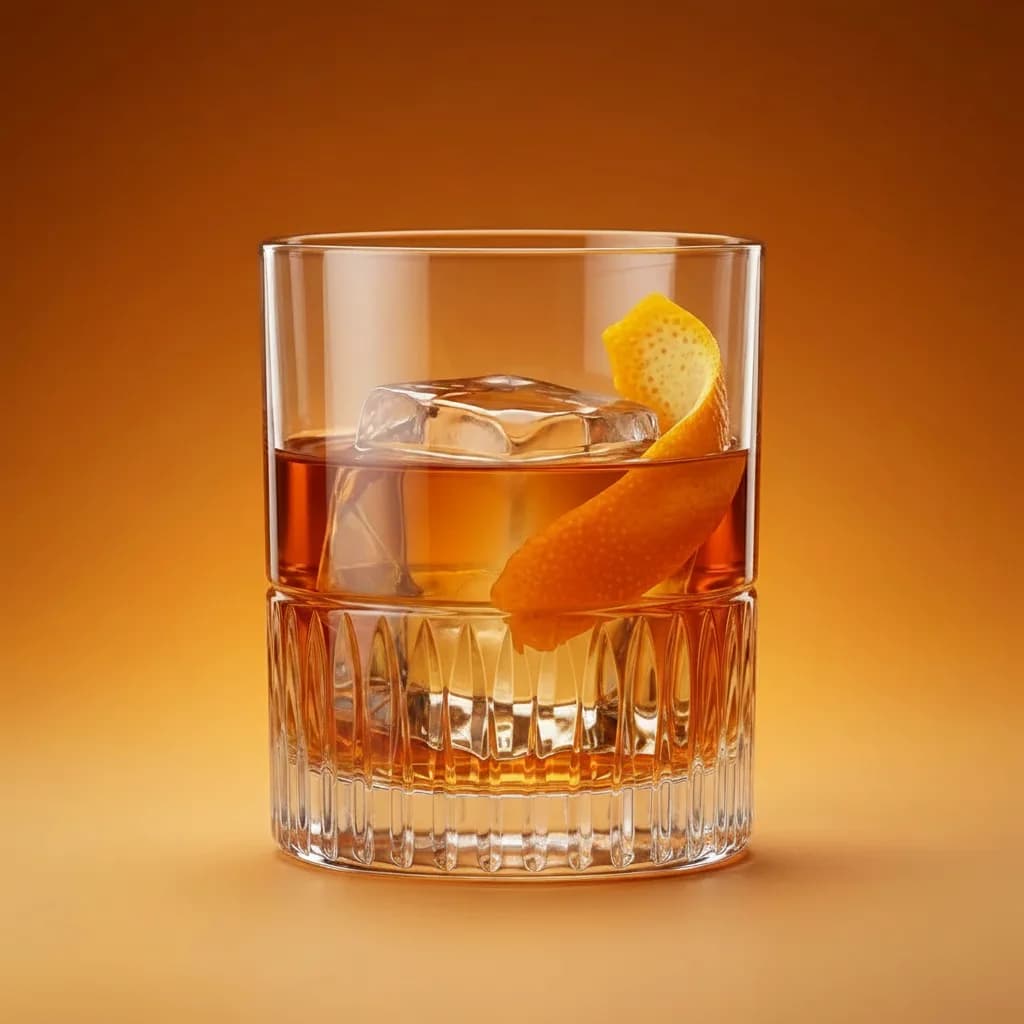
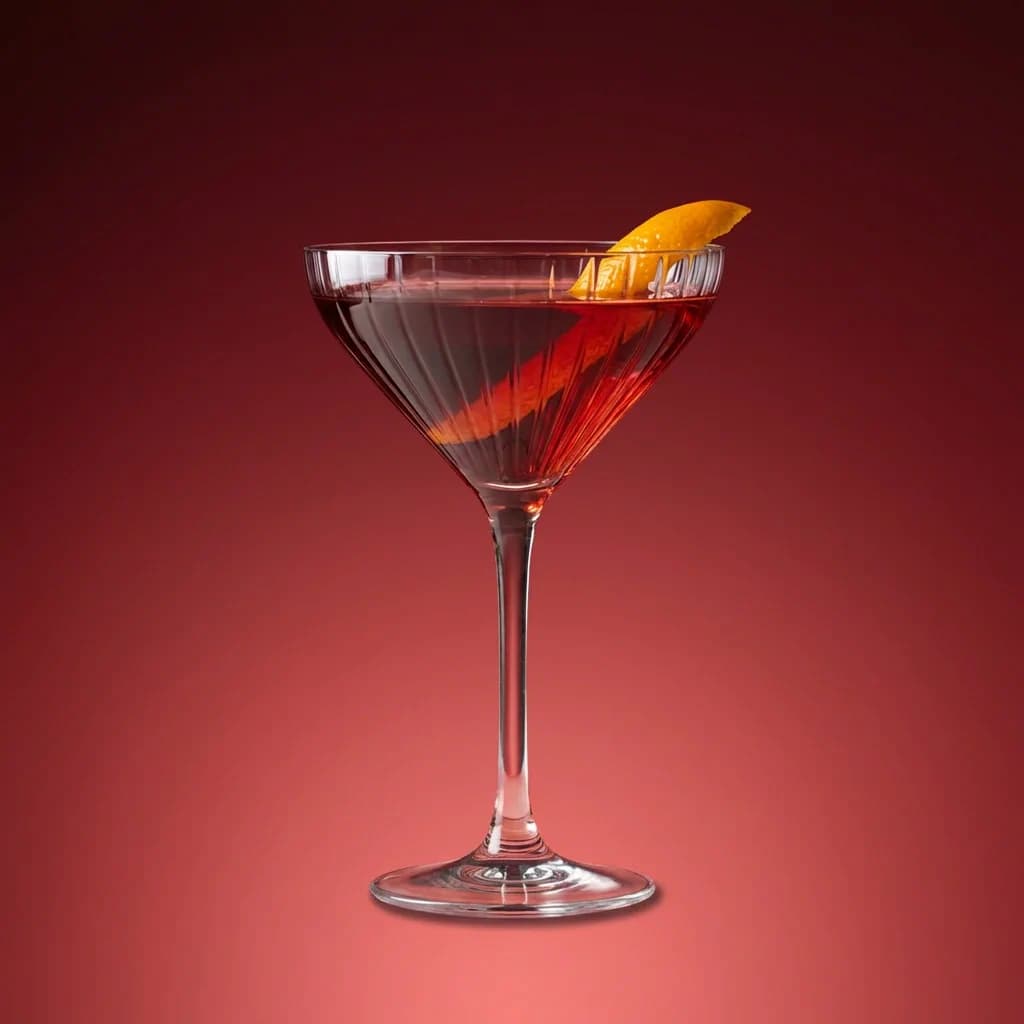
- Express an orange twist over the cocktail and discard
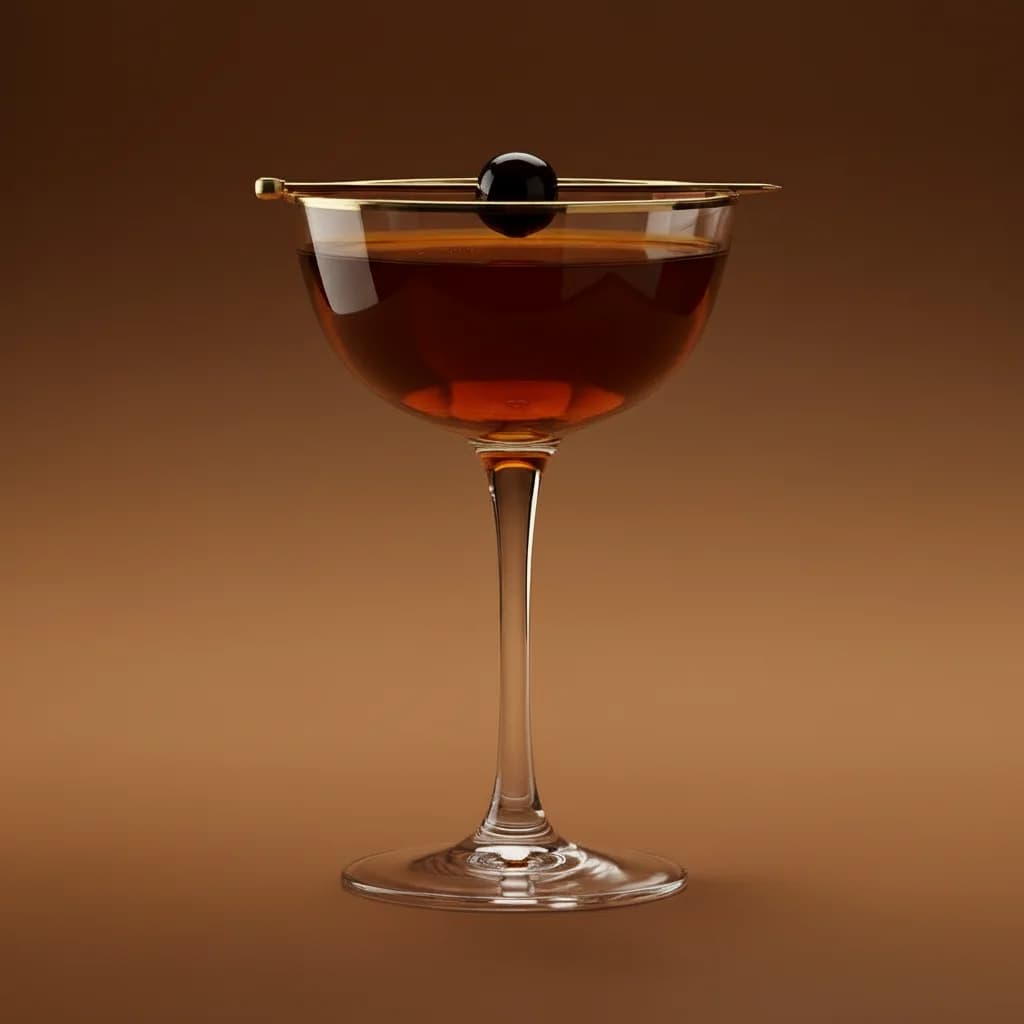
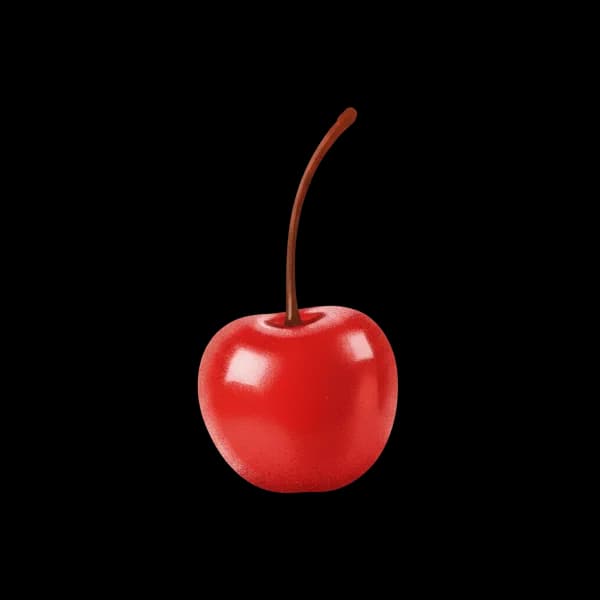
- Garnish with a maraschino cherry on a skewer
Tips
- Squeeze the orange and lemon fresh; pasteurized or concentrate juice flattens the drink and muddies the balance.
- Reach for a higher-proof bourbon around 100 proof so the extra juice volume doesn't wash out the whiskey.
History
The name "Stone Sour" first appears in print in Jacques Straub's 1914 book Drinks, though that early version was a gin sour served frappé, with no orange juice. Tom Bullock's 1917 The Ideal Bartender gives the earliest recipe with orange juice — built on Old Tom gin — and is credited as the drink's turning point. Bourbon later became the spirit most associated with it.
The Stone Sour faded during Prohibition and resurfaced in the 1980s, appearing in Vincent Sardi and George Shea's 1988 Sardi's Bar Guide. Dale DeGroff, in The Craft of the Cocktail, noted the drink was also called the California Sour and that the name simply marks the addition of orange juice. Its exact origin and how it got its name remain obscure.
FAQ
What is in a Stone Sour?
A Stone Sour is bourbon with fresh orange and lemon juice, sugar syrup, and egg white for foam; this version also adds a small measure of apricot brandy liqueur. It's finished with an orange twist and a maraschino cherry.
What's the difference between a Whiskey Sour and a Stone Sour?
A Stone Sour is essentially a Whiskey Sour with fresh orange juice added alongside the lemon. The orange rounds out the tartness, making it a touch sweeter and softer while keeping the bourbon at the center.
Why is it called a Stone Sour?
The origin of the name is obscure and undocumented. Dale DeGroff wrote that the drink came from California and was also called the California Sour, with "Stone Sour" simply marking the addition of orange juice; the reasoning behind the name was never recorded.
What's the difference between an Amaretto Sour and a Stone Sour?
An Amaretto Sour is built on sweet almond-flavored amaretto liqueur, while a classic Stone Sour is a bourbon sour with orange juice. Confusingly, a popular liqueur-based variant called the Amaretto Stone Sour swaps the whiskey for amaretto.
Is a Stone Sour shaken or stirred?
Shaken — and specifically double shaken. Shake with ice to chill and combine, then dry shake without ice to emulsify the egg white into a foam, before fine-straining into a chilled cocktail glass.
What glass is a Stone Sour served in?
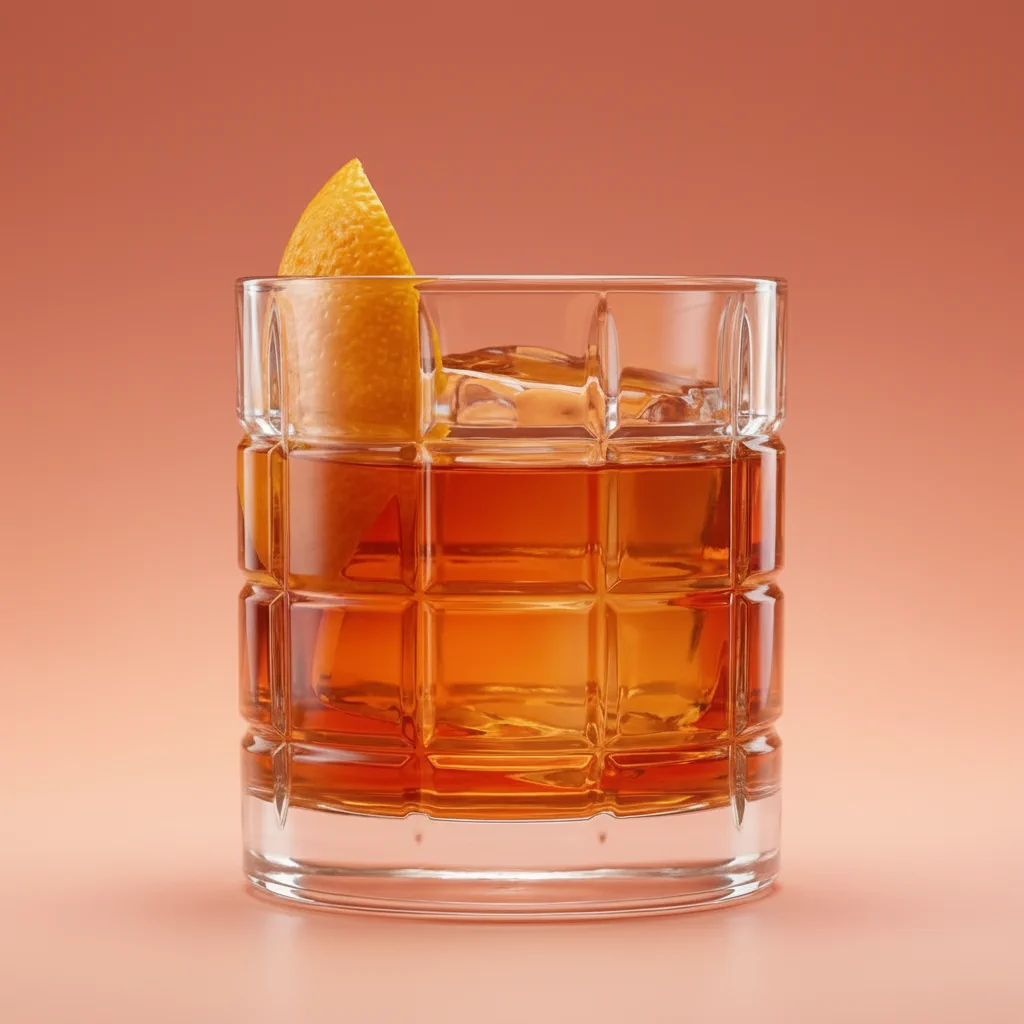
This version is fine-strained and served up in a chilled cocktail glass. The drink is also commonly served over ice in a rocks glass, which is how many older recipes present it.