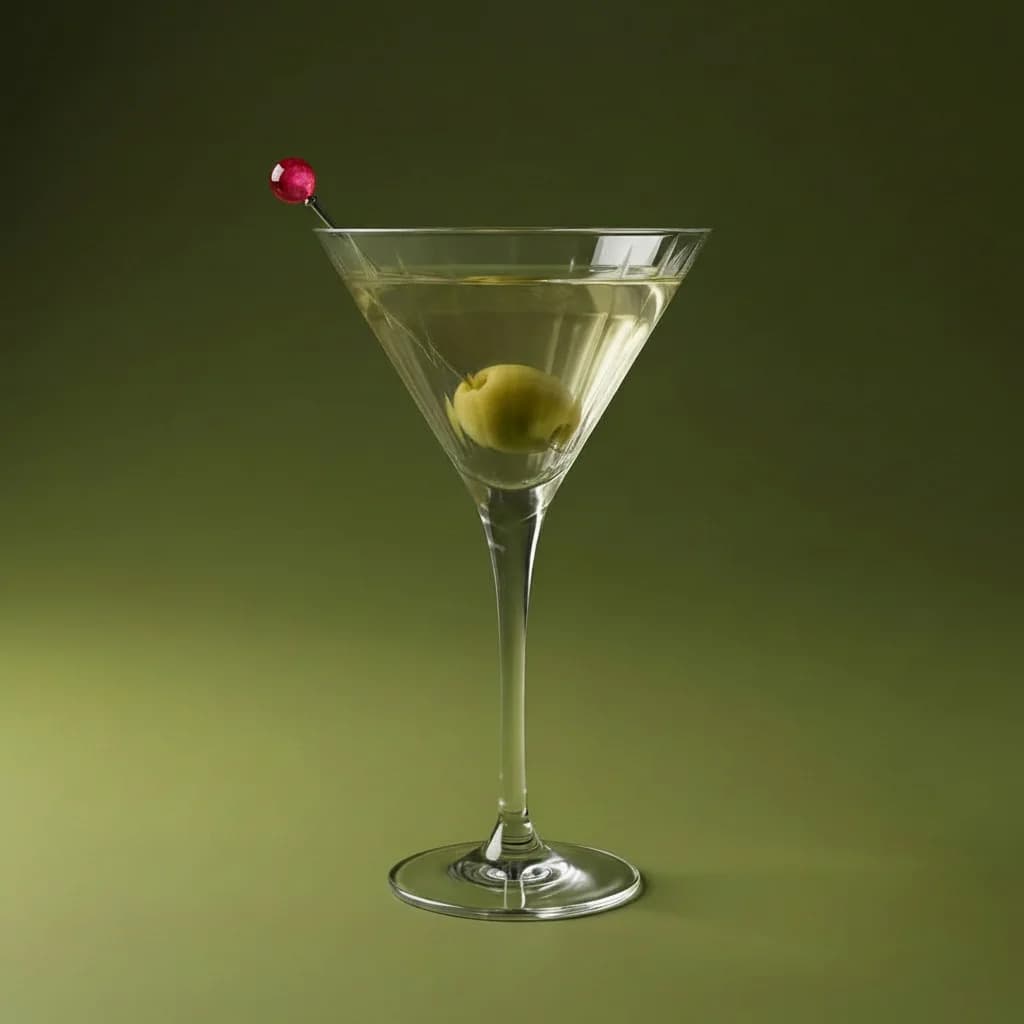
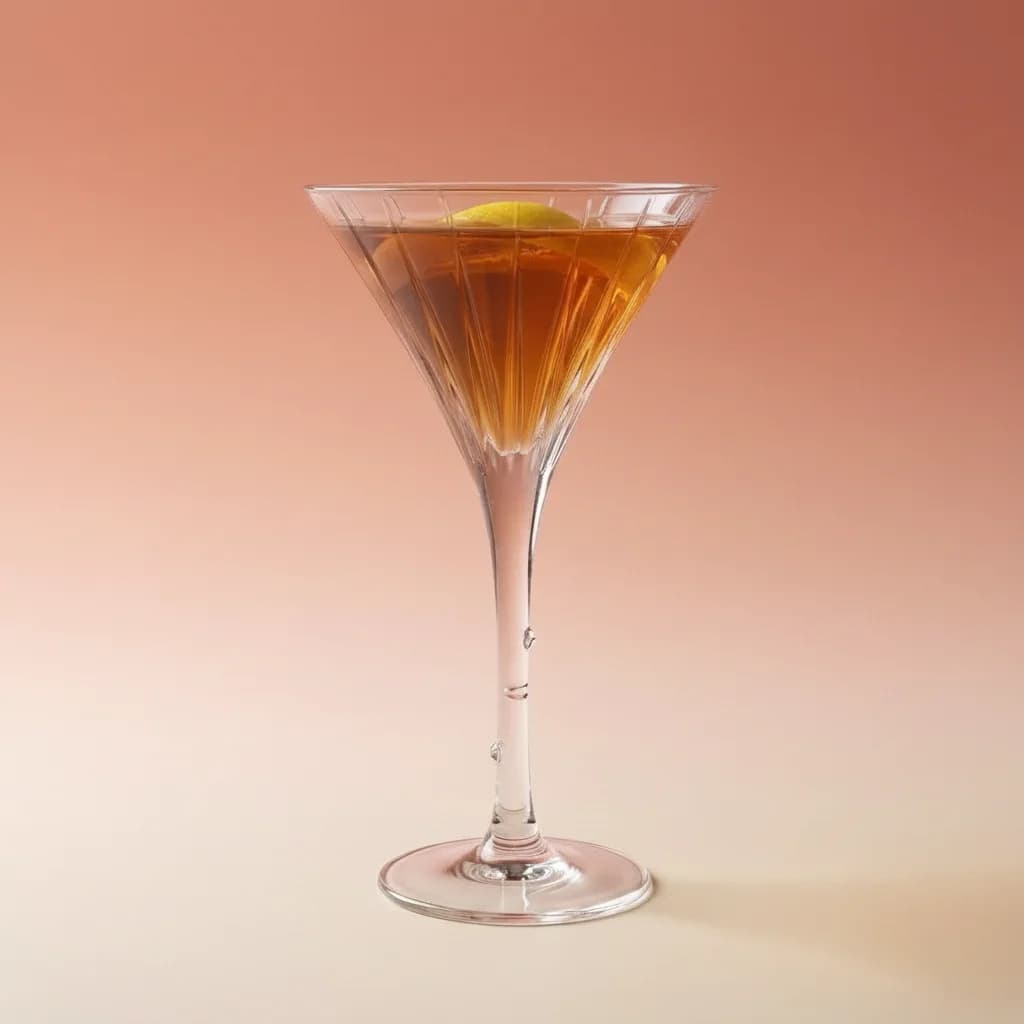
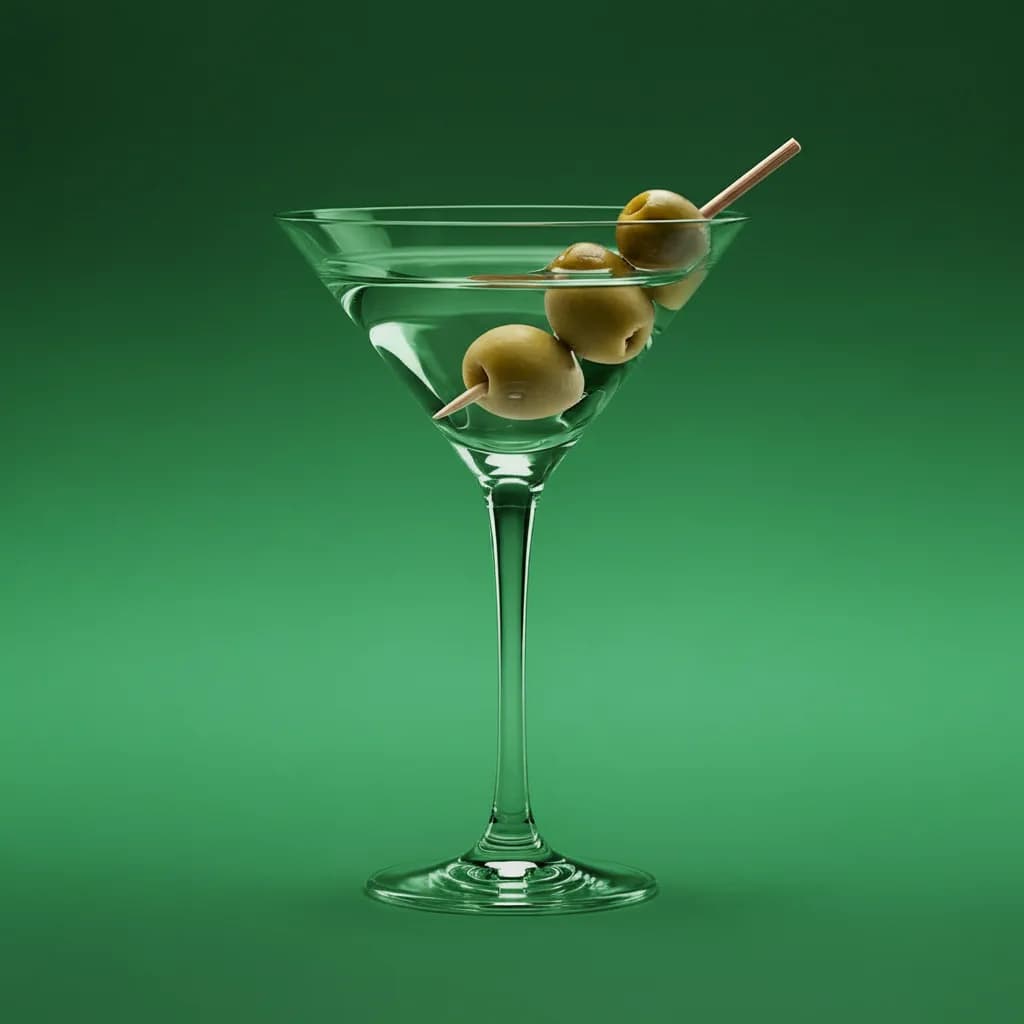
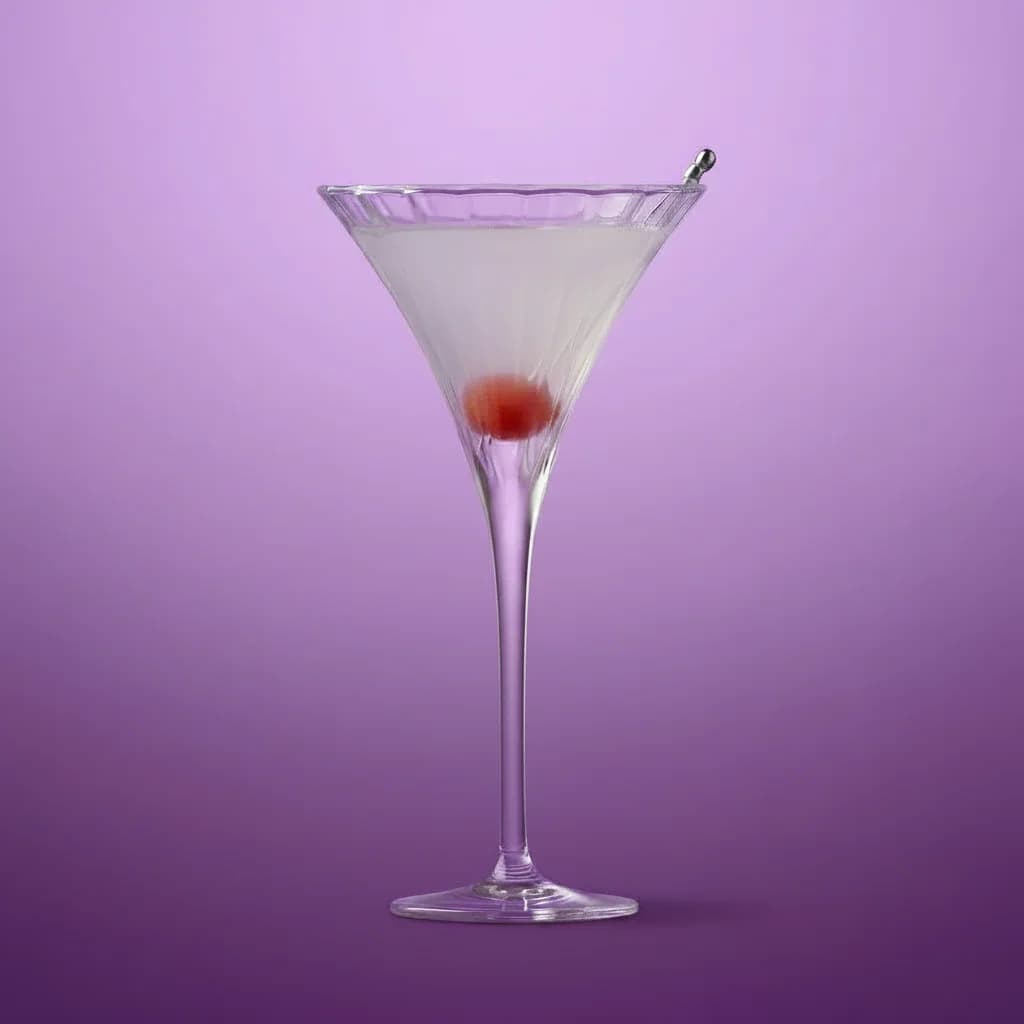
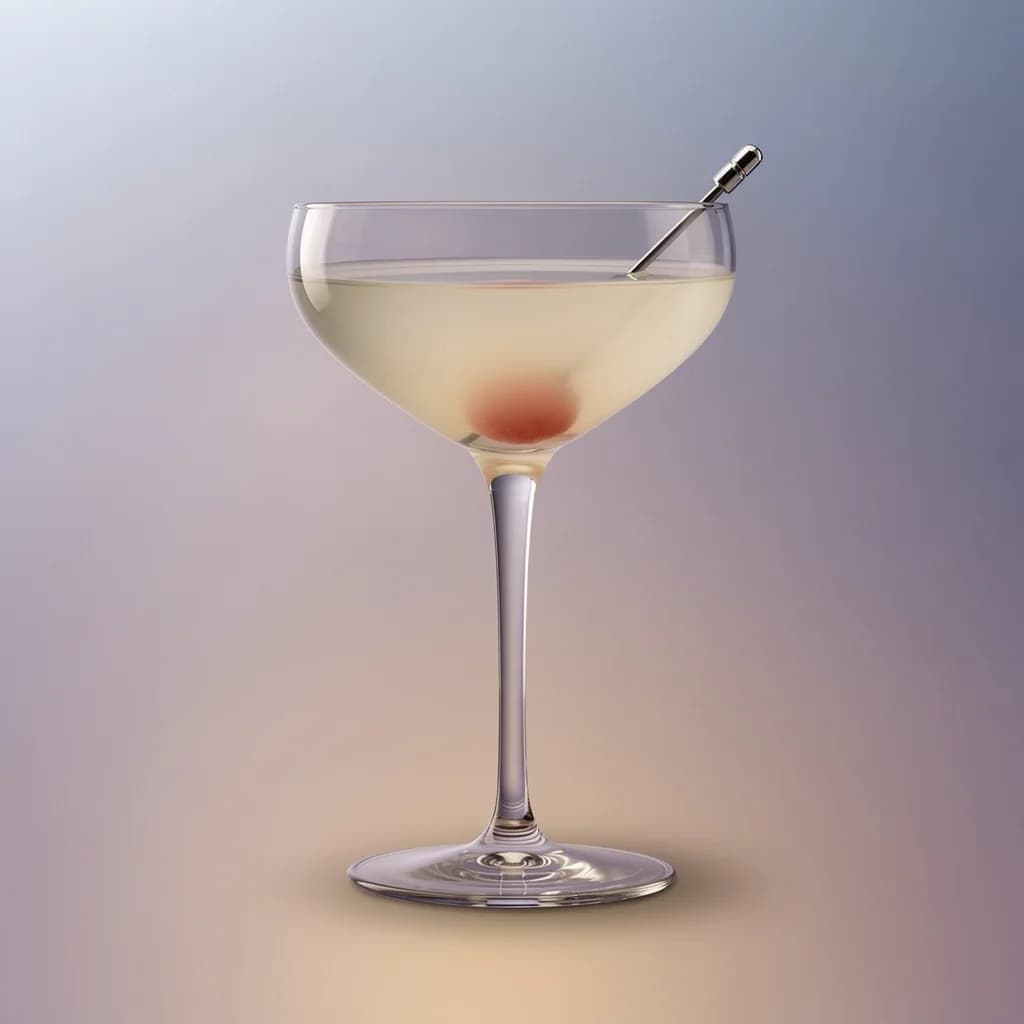
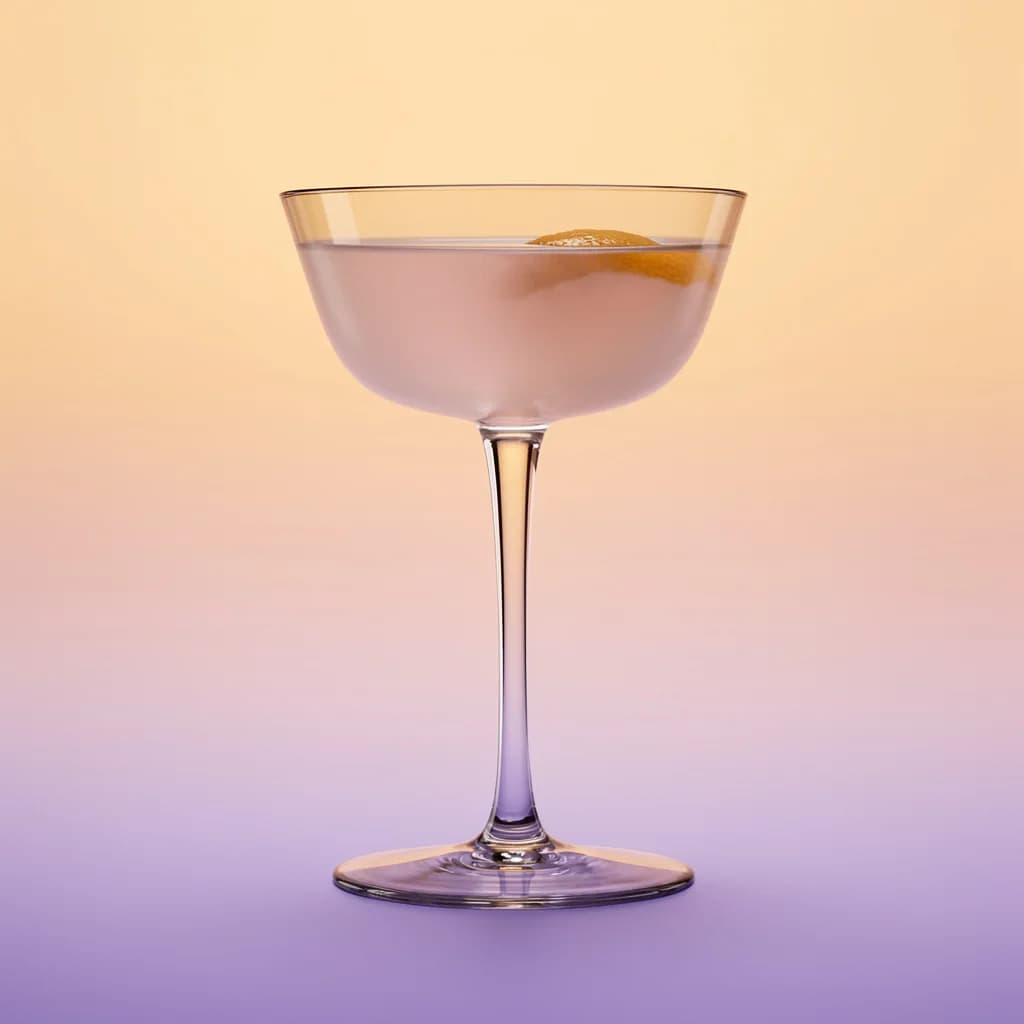
Dickens Dry Martini
A dry and balanced gin cocktail ∙ Stir ∙ 3 min ∙ 36.4% ABV ∙
The Dickens Dry Martini is a stirred cocktail of London dry gin and dry vermouth with a dash of orange bitters. Crisp juniper and citrus oil lead, the vermouth barely softening the edge, finishing dry, cold, and faintly bitter.
Ingredients
1
Servings
Instructions for 1 serving
- Pre-chill a glass
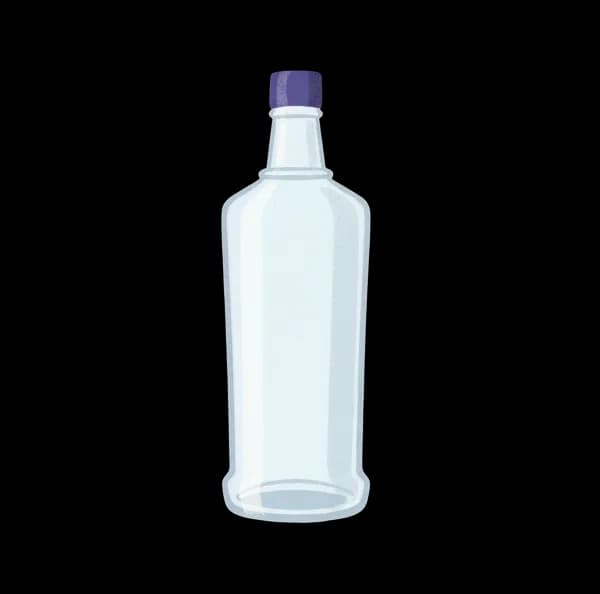
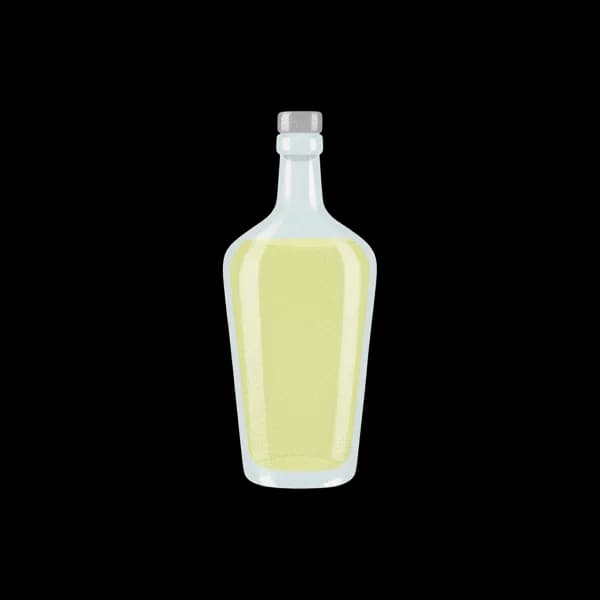
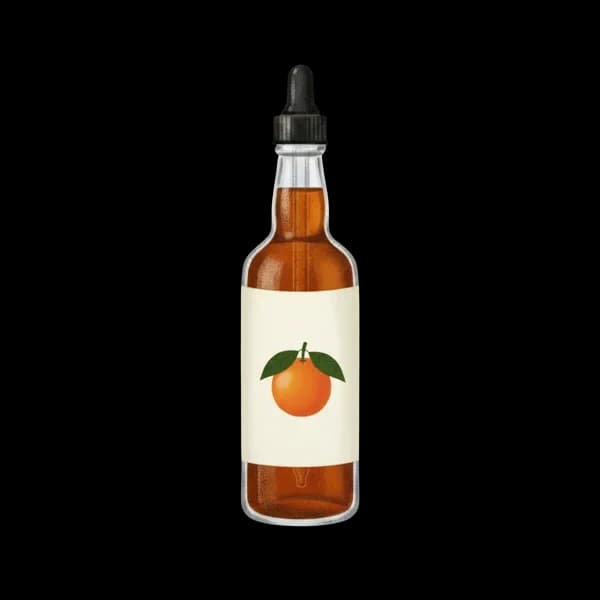
- Stir all ingredients with ice: London dry gin 75 mlDry vermouth 15 mlOrange bitters 1 dash
- Fine strain into the chilled glass
Tips
- Stir gin, vermouth, and bitters with ice for about 30 seconds until the mixing glass feels ice-cold, avoiding shaking which clouds the drink and over-dilutes it.
History
The Dry Martini's exact origin is debated, but it is widely traced to the Martinez, a sweeter gin-and-vermouth cocktail of the 1860s whose first published recipe appeared in Jerry Thomas's 1887 Bar-Tender's Guide; some credit Thomas himself at San Francisco's Occidental Hotel, while others credit a bartender named Richelieu in the town of Martinez, California. Over the following decades the drink dried out, trading sweet vermouth and maraschino for dry vermouth and London dry gin, with an early recipe under the name "Dry Martini" appearing in William Boothby's 1908 guide, and the style was later codified by Harry Craddock's Savoy Cocktail Book in 1930.
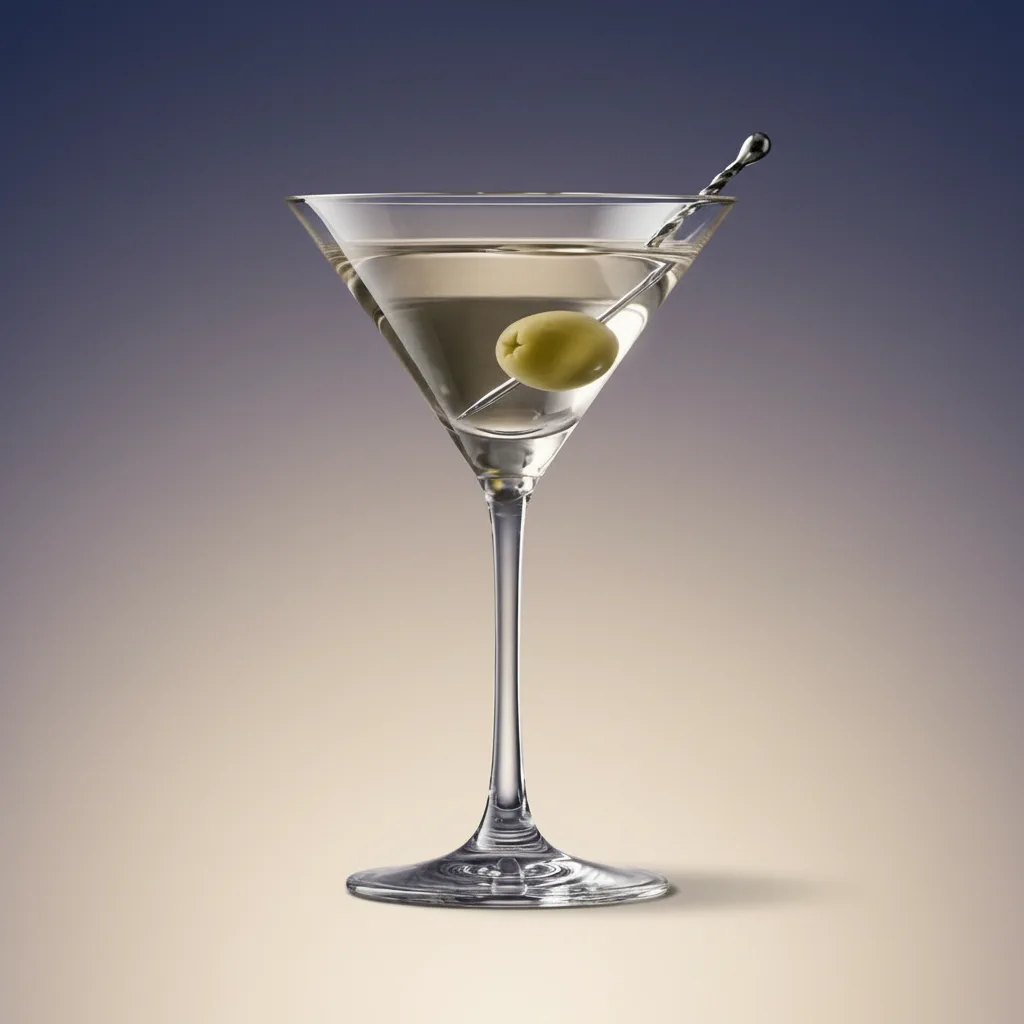
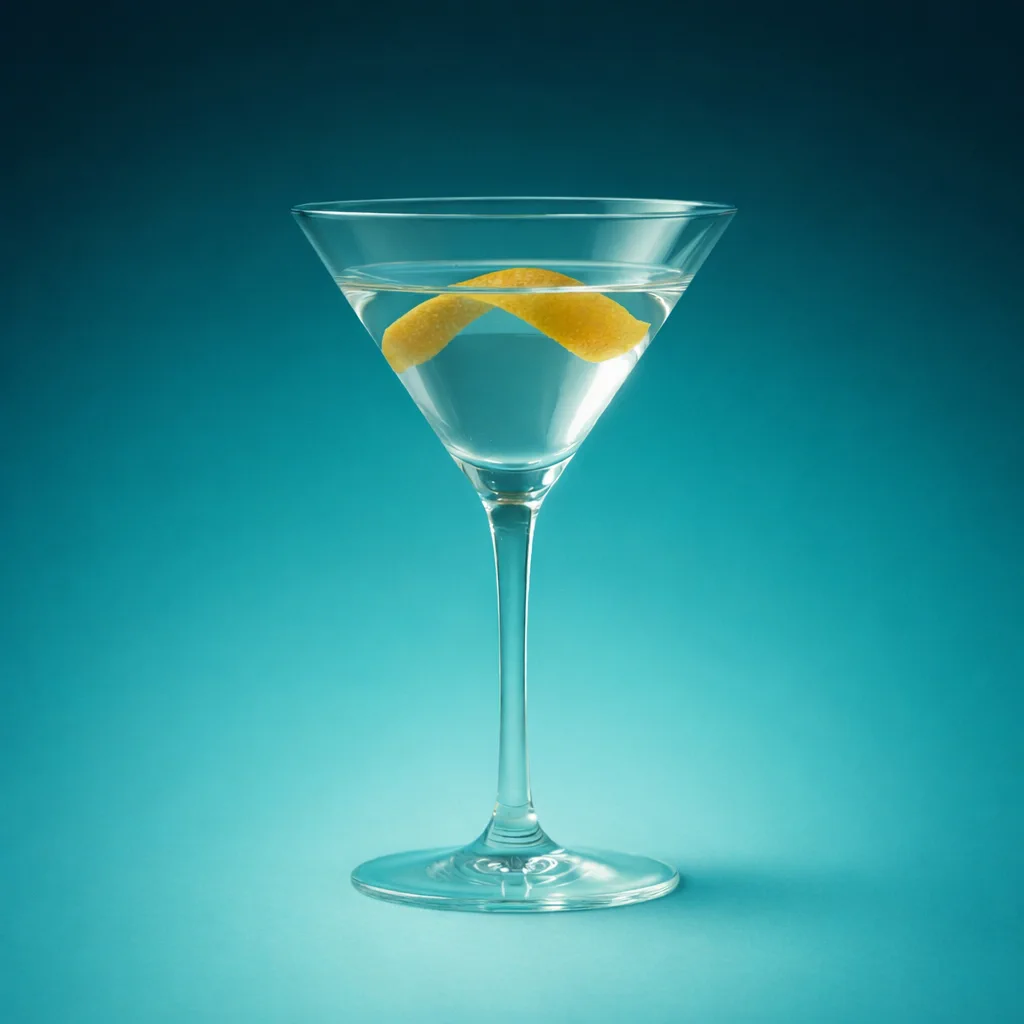
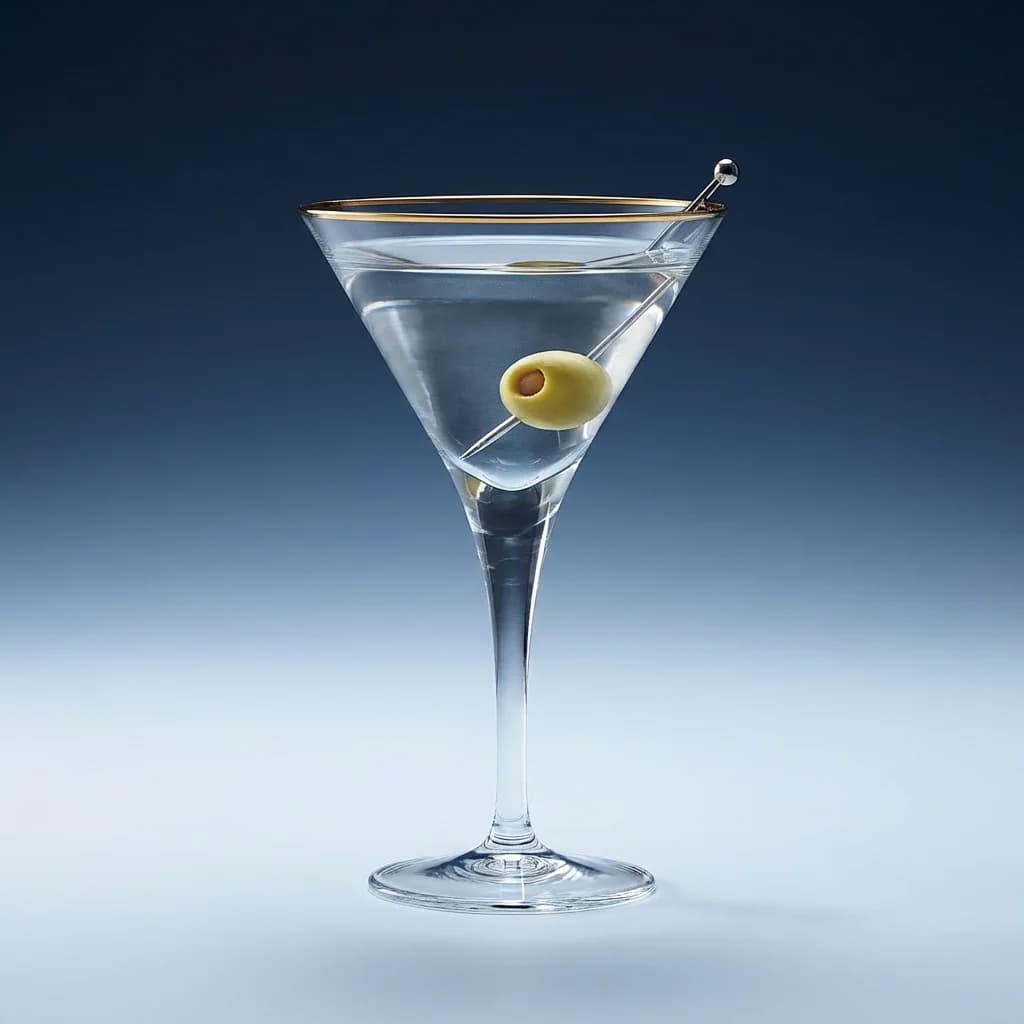
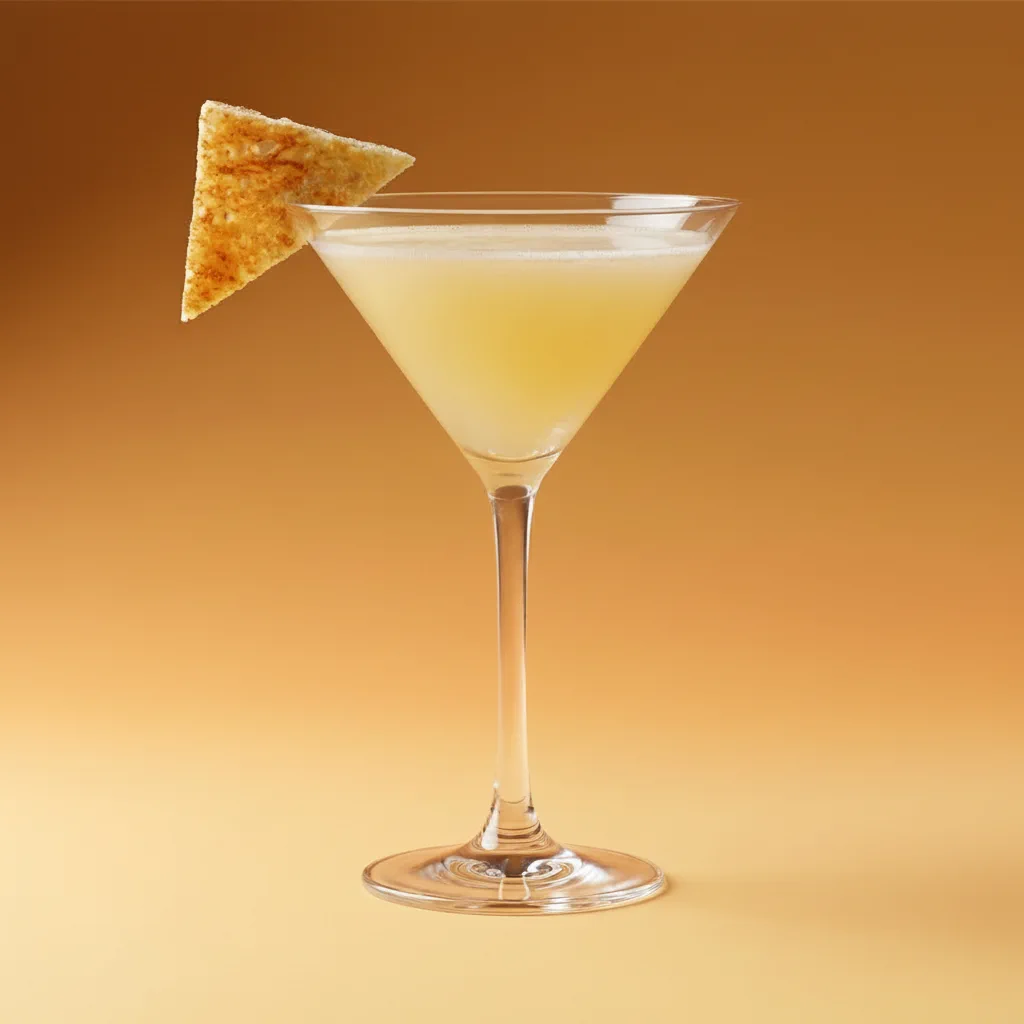
The Dickens Dry Martini is a variation on this classic built to a notably higher gin-to-vermouth ratio and served without any garnish at all, a nod to Charles Dickens's novel Oliver Twist: since the traditional choice of garnish for a Dry Martini is an olive or a lemon twist, the ungarnished "Dickens" version plays on the line "Oliver Twist," offering neither olive nor twist.
FAQ
What is the ratio for a dry martini?
This build uses a gin-forward ratio, roughly five parts gin to one part dry vermouth, plus a dash of orange bitters. A "dry" martini traditionally means less vermouth relative to gin; this ratio leans firmly in that direction.
Is a dry martini shaken or stirred?
Stirred. Gin and vermouth are both clear spirits with no juice or sugar to integrate, so stirring chills and dilutes them gently while keeping the drink clear rather than clouded with ice shards.
What glass is a dry martini served in?
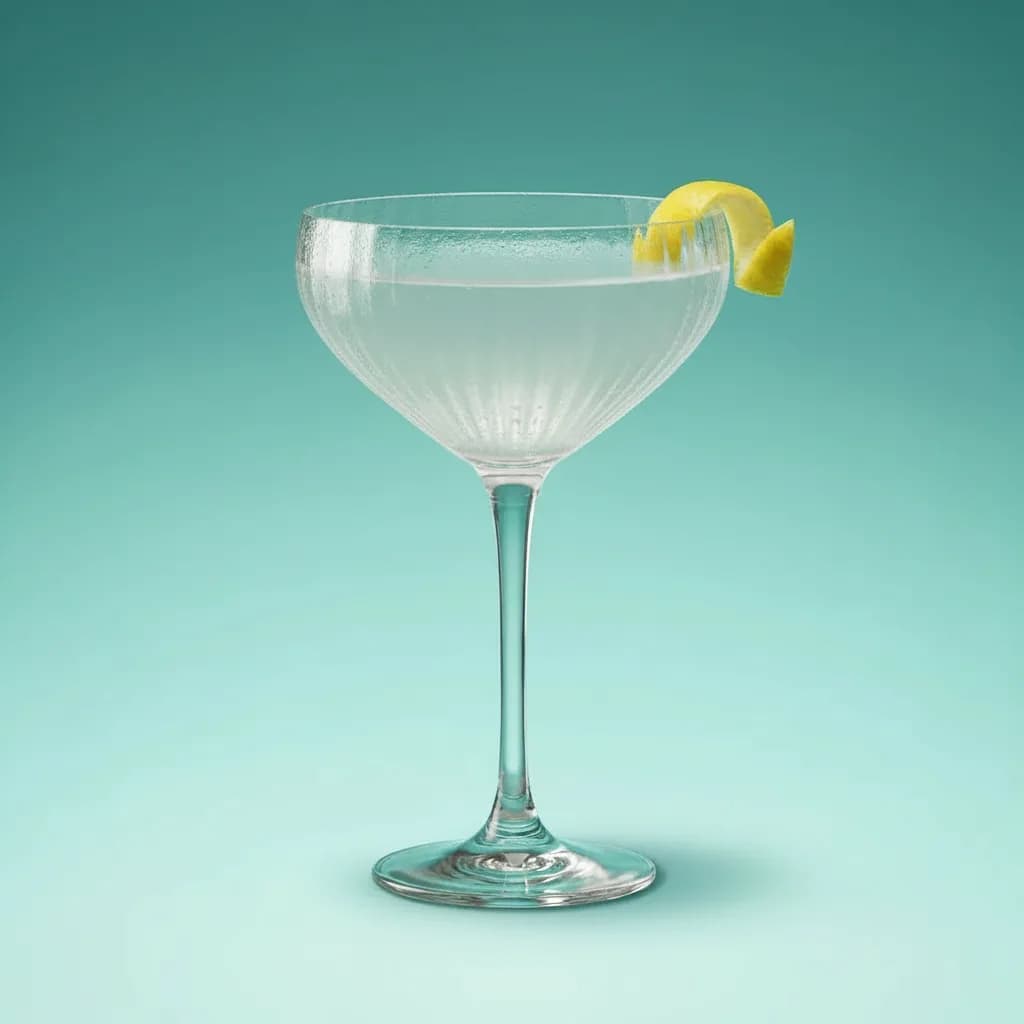
A martini glass, served up with no garnish and no ice in the glass itself — the Dickens version deliberately skips the olive or twist.