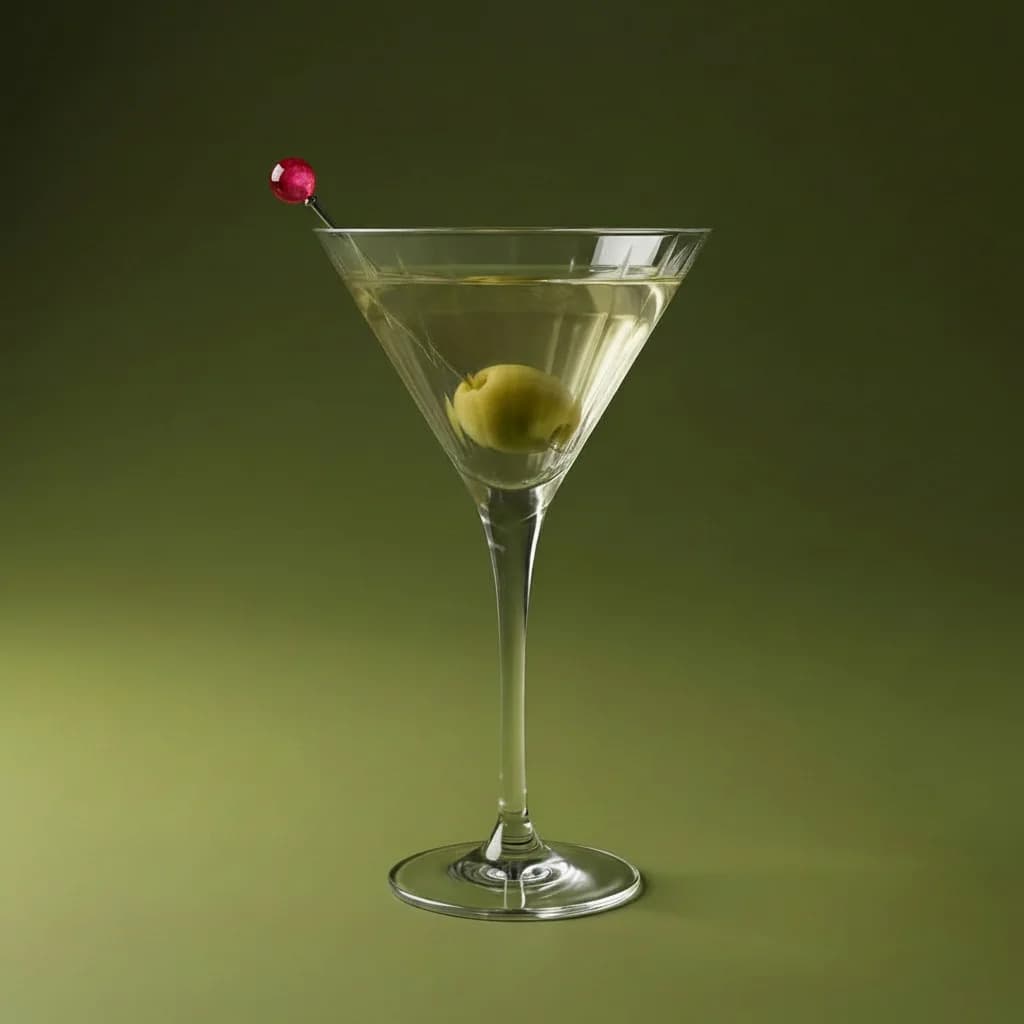
Reverse Martini
Stir ∙ 3 min ∙ 22.9% ABV ∙
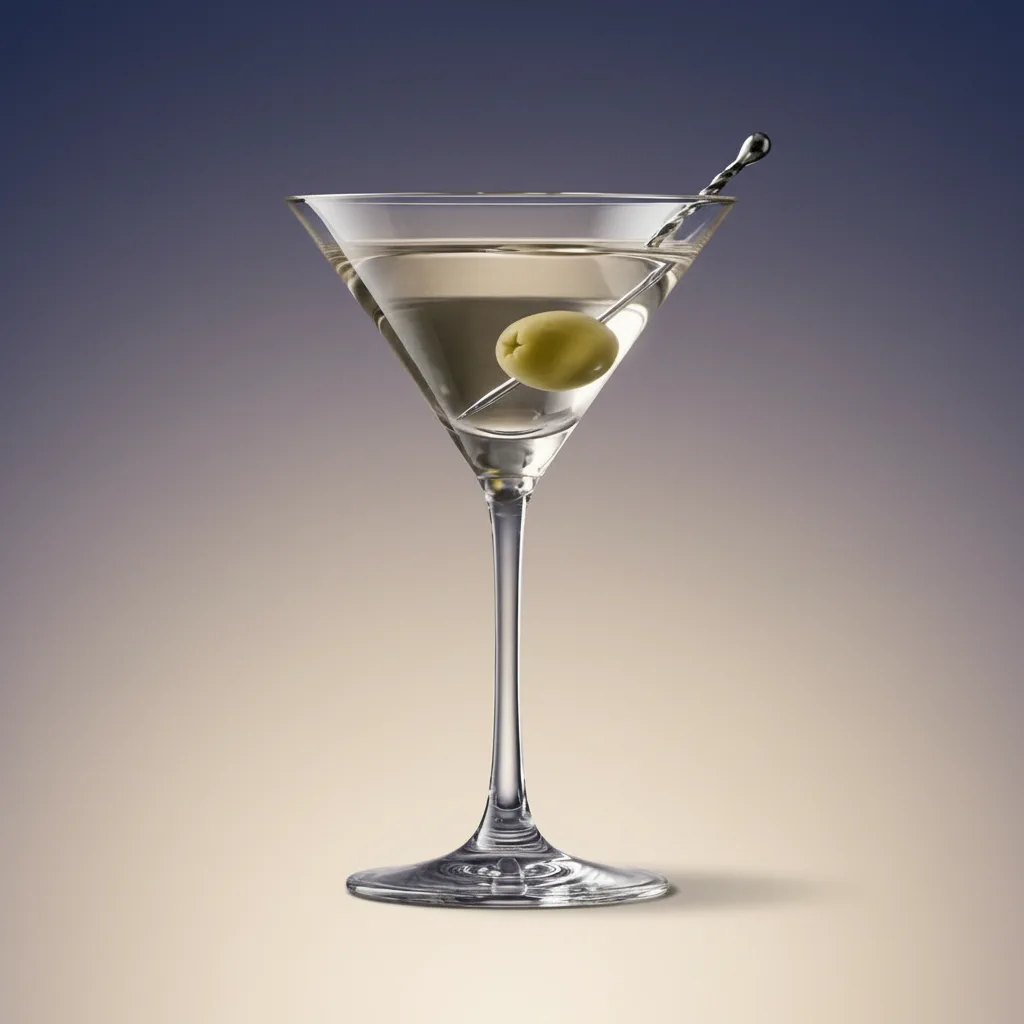
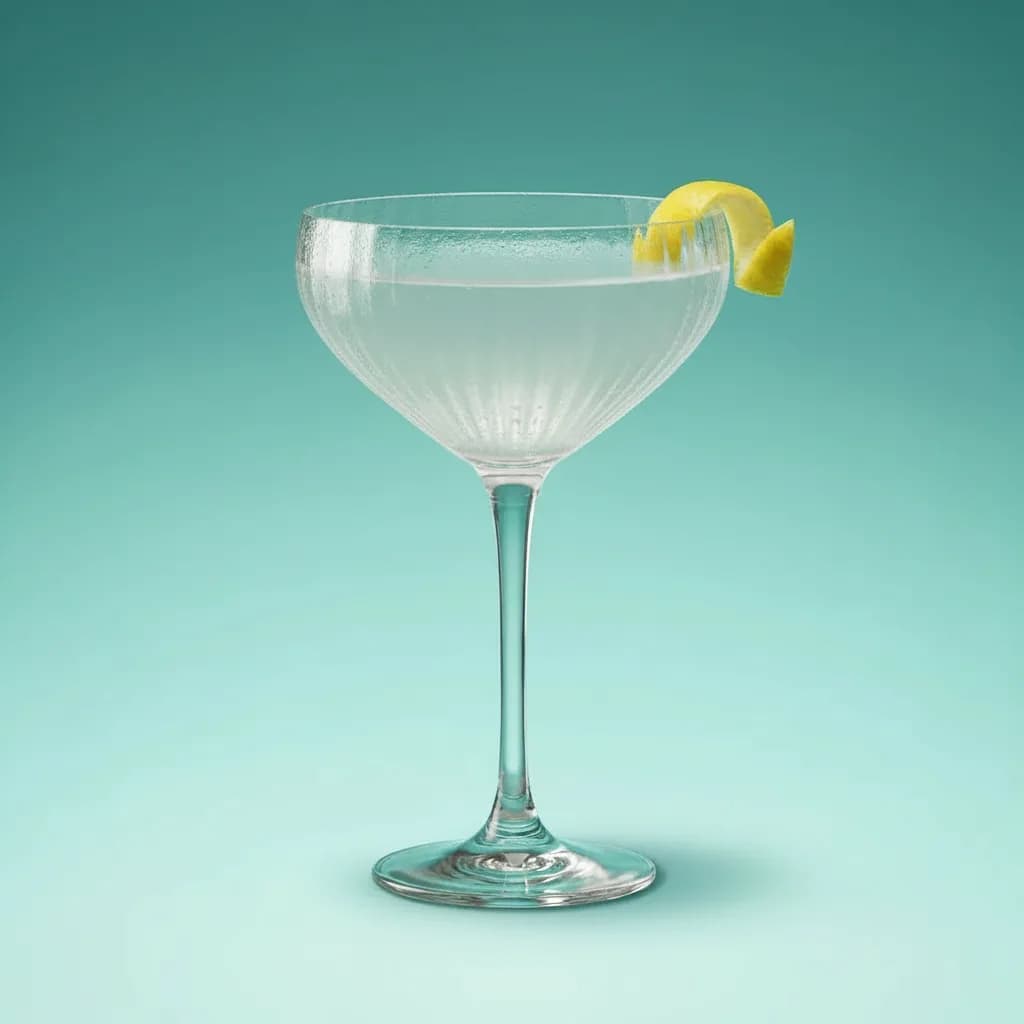
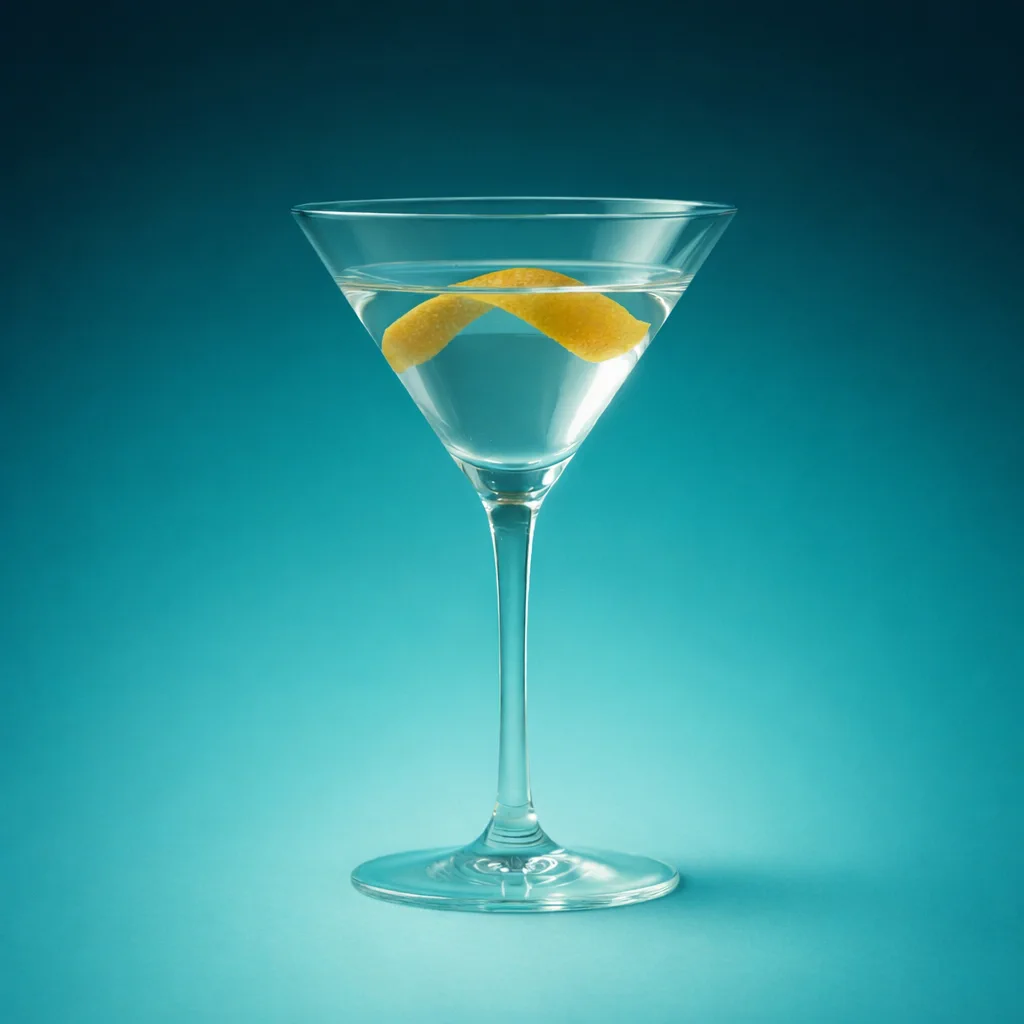
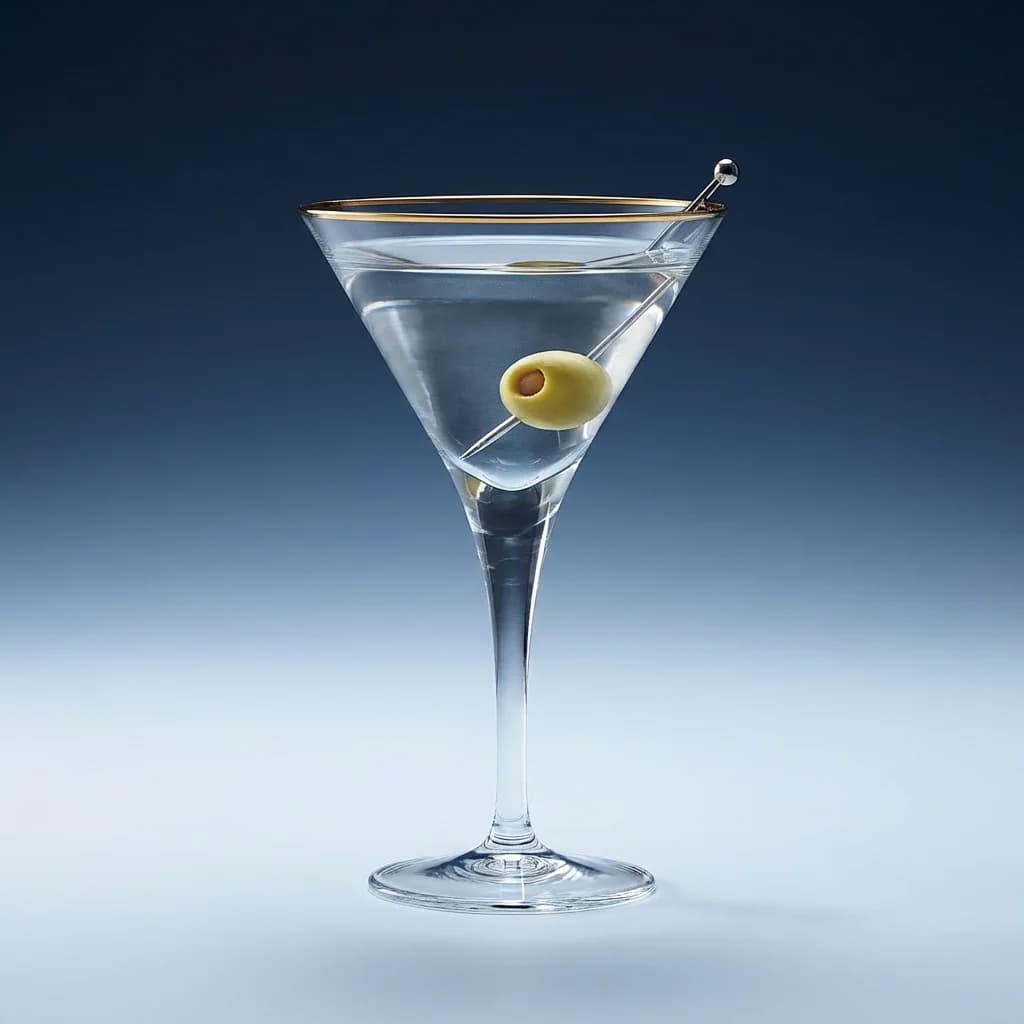
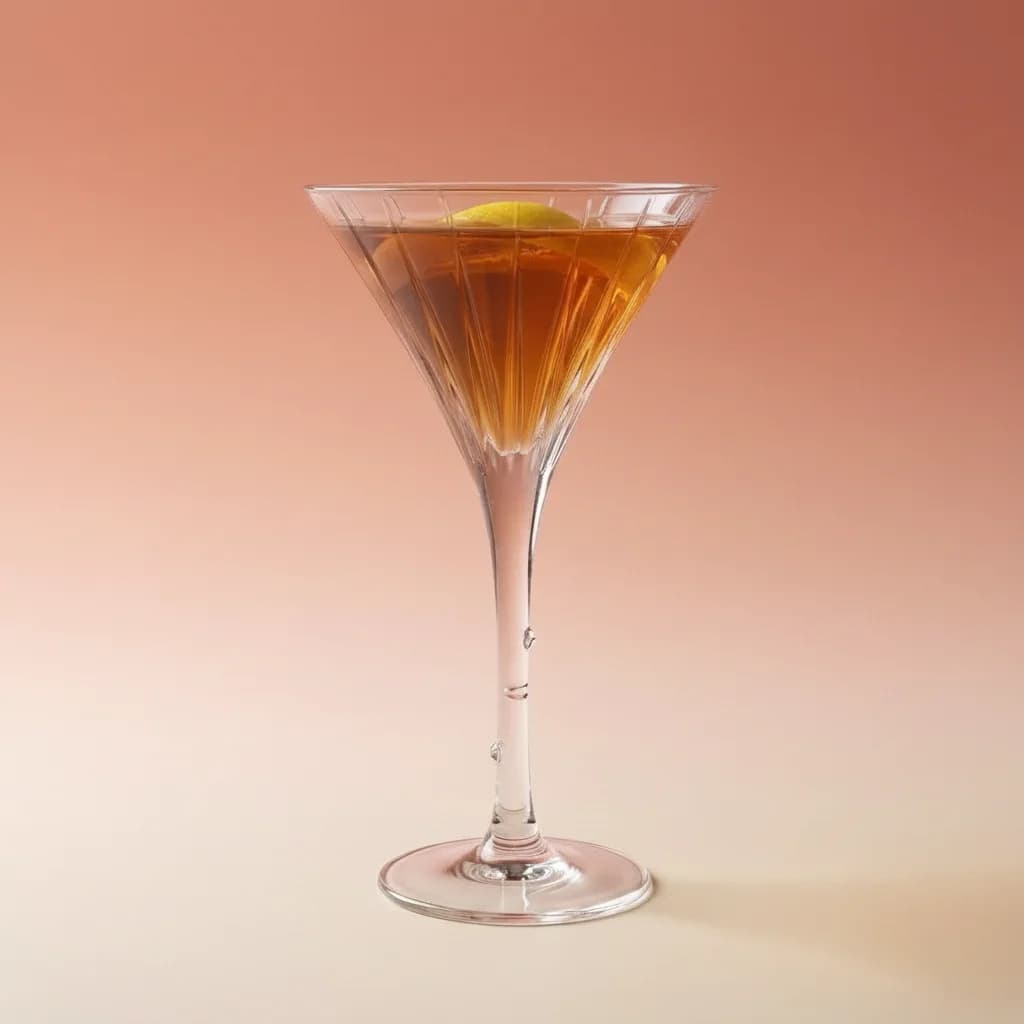
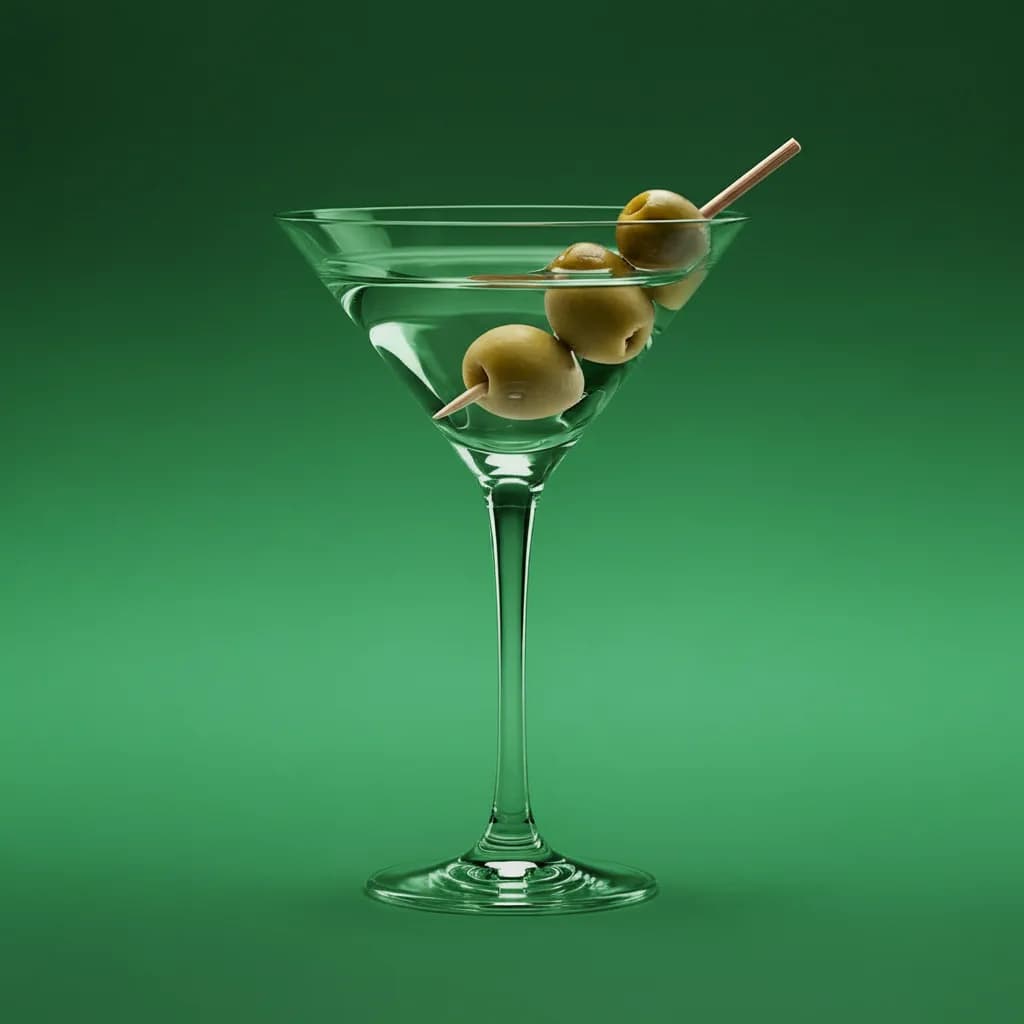
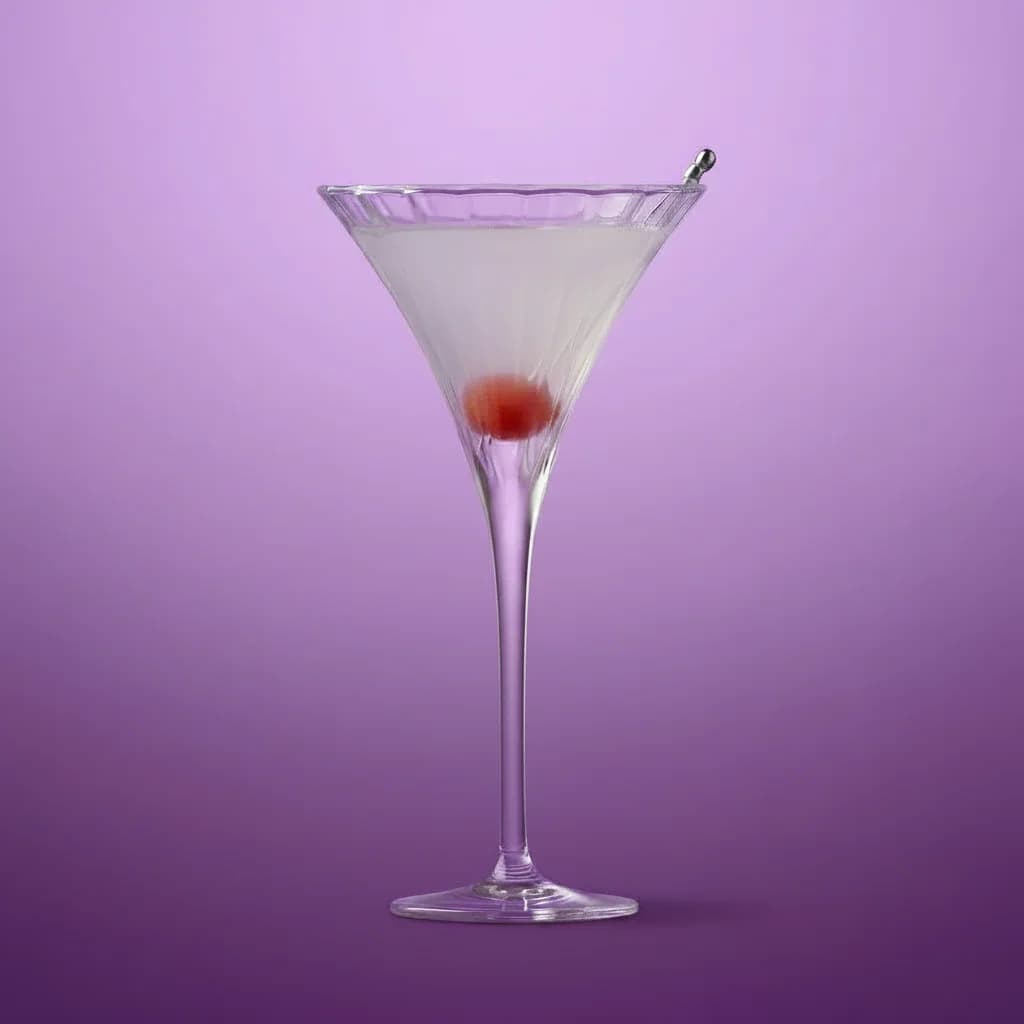
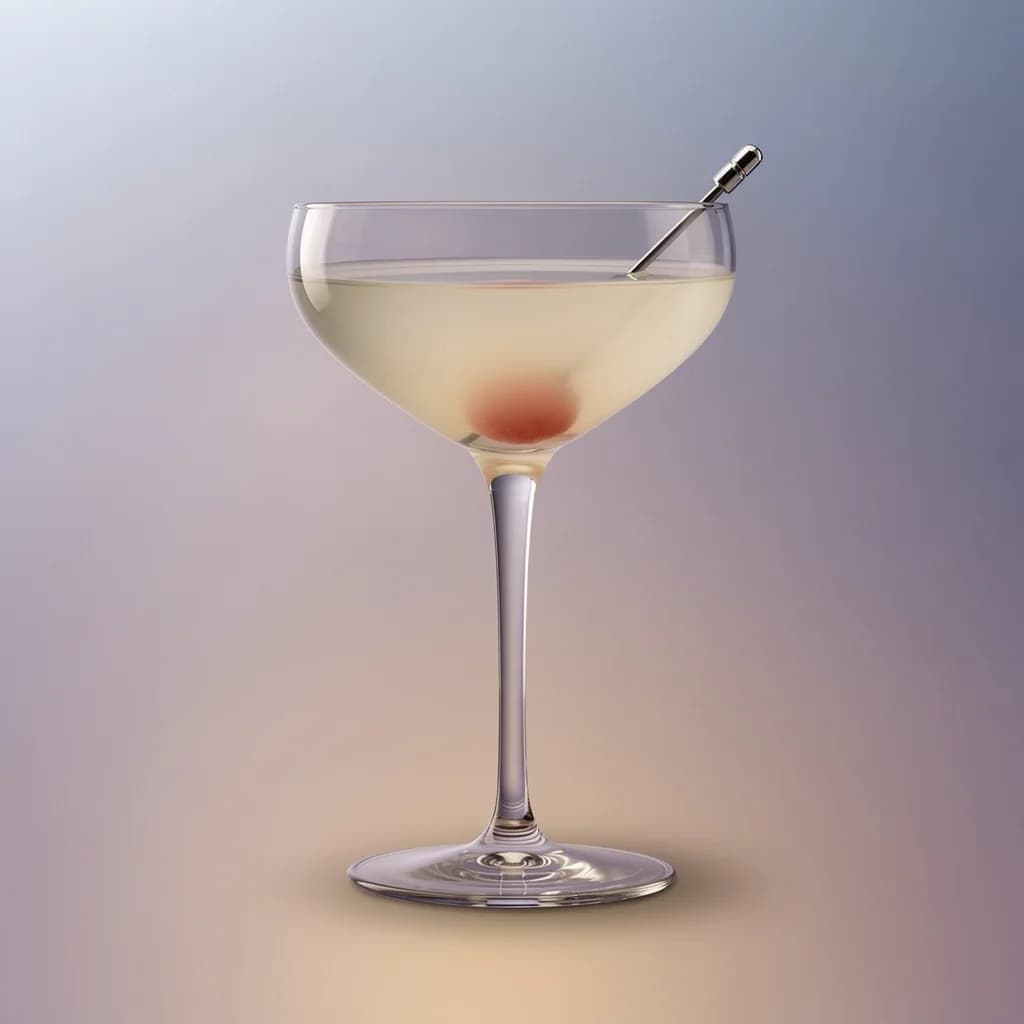
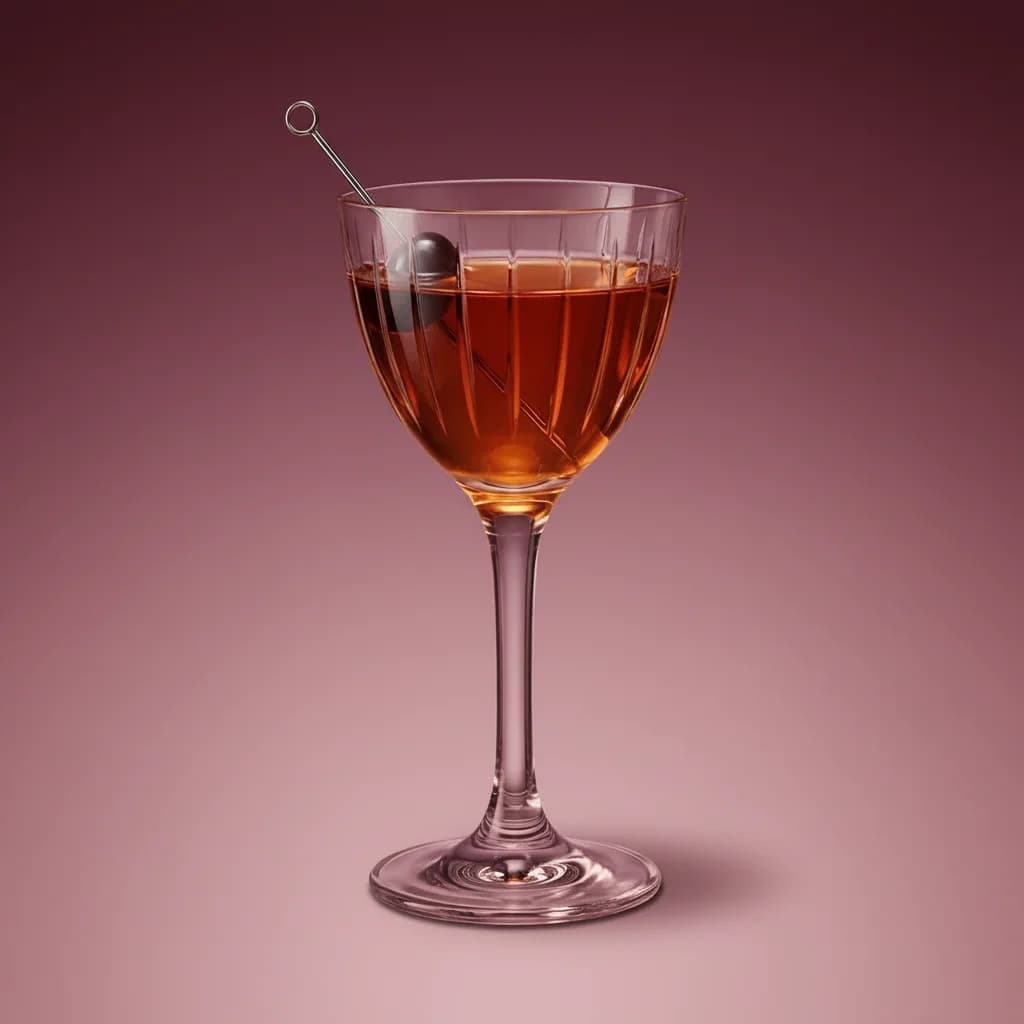
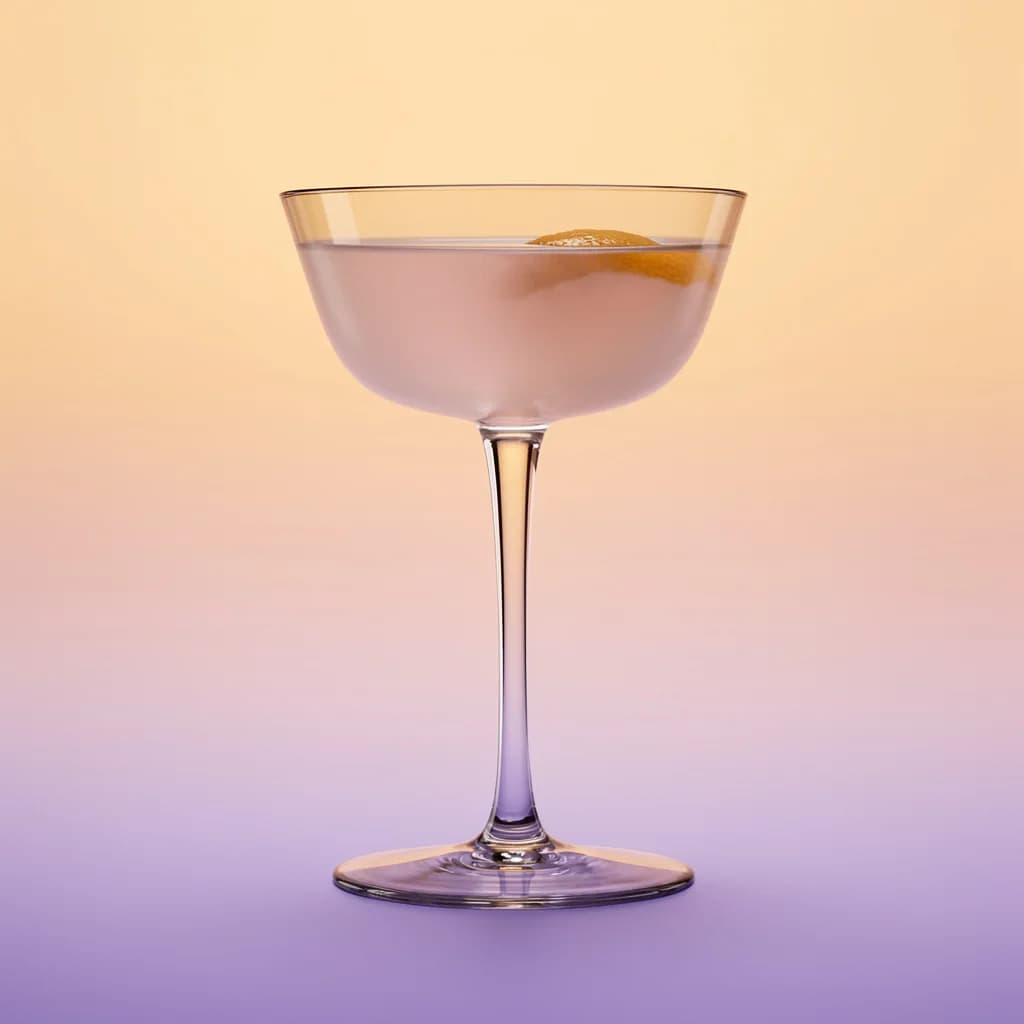
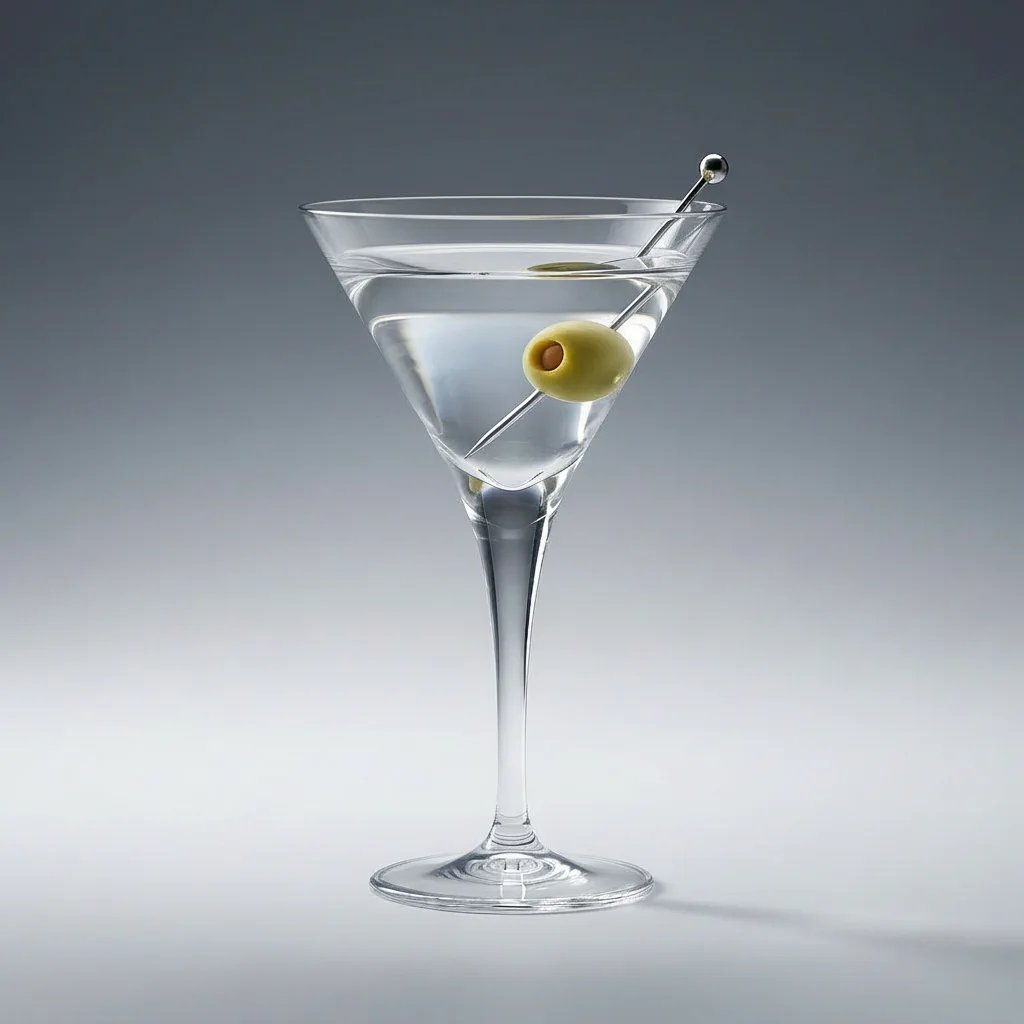
The Reverse Martini flips the classic ratio, stirring dry vermouth over a smaller measure of London dry gin, strained up and garnished with an olive. Vermouth leads with pale orchard and herbal notes, the gin surfacing as a juniper backbone underneath, finishing dry and gently savory from the olive.
Ingredients
1
Servings
Garnish
Instructions for 1 serving
- Pre-chill a glass
- Stir all ingredients with ice: Dry vermouth 60 mlLondon dry gin 30 ml
- Strain into the chilled glass
- Garnish with an olive
Tips
- Use a dry vermouth that tastes good on its own — it's the dominant pour here, not a supporting player.
- Stir about 30 seconds over ice to chill and dilute properly; the higher vermouth volume still needs full contact time.
History
The Reverse Martini has no single documented inventor; it is a long-standing riff that flips the classic ratio so vermouth dominates and gin plays a supporting role, sometimes called an upside-down or wet martini. Franklin D. Roosevelt is associated with an early version of this vermouth-heavy style, and Julia Child and her husband Paul were noted enthusiasts who favored it as a lighter predinner drink, helping popularize the "reverse" idea among home cocktail drinkers in the mid-20th century. In recent years bartenders have revisited the format as part of a broader "reverse cocktail" trend, building their own vermouth-forward takes on the format for lower-alcohol, aperitif-style serves.
Its parent, the Dry Martini, took shape in the United States in the decades around 1900 as bartenders progressively reduced the vermouth and sweetness of its predecessor, the Martinez, with the name and exact birthplace disputed among several claimants. The Reverse Martini simply inverts that standard gin-to-vermouth ratio, making vermouth the dominant pour instead of the gin.
FAQ
What is a Reverse Martini?
It is a Martini variation that inverts the usual ratio, using more dry vermouth than gin instead of the other way around. This build stirs vermouth and London dry gin with ice, strains into a chilled glass, and finishes with an olive garnish, giving a lighter, lower-alcohol drink than a standard Martini.
What is the difference between a wet Martini and a Reverse Martini?
A wet Martini simply means extra vermouth added to a still gin-forward Martini, while a Reverse Martini goes further and makes vermouth the dominant pour over gin. The result is a noticeably lighter, lower-ABV drink than even a wet Martini, closer to a fortified-wine sipper than a spirit-forward cocktail.
What is a reverse cocktail?
A reverse cocktail is any drink that flips its usual spirit-to-modifier ratio, pouring more of the secondary ingredient than the base spirit. The Reverse Martini is the best-known example, built with more dry vermouth than gin rather than the customary gin-heavy pour.
What is a Julia Child's upside-down Martini?
It is another name for the Reverse Martini, a ratio Julia Child was known to favor: mostly dry vermouth with a smaller measure of gin, stirred and strained up. It pours lighter and less boozy than a conventional Martini while keeping the same stirred, up-served format.