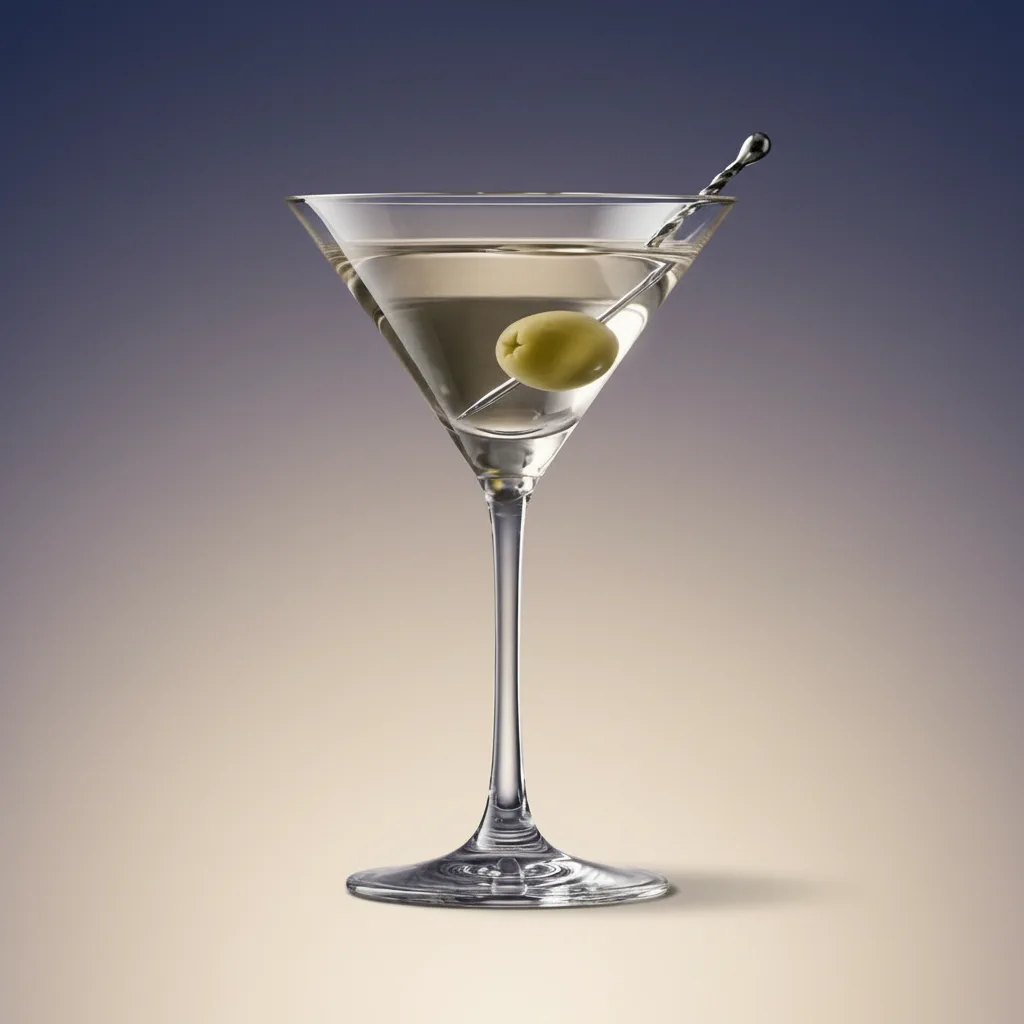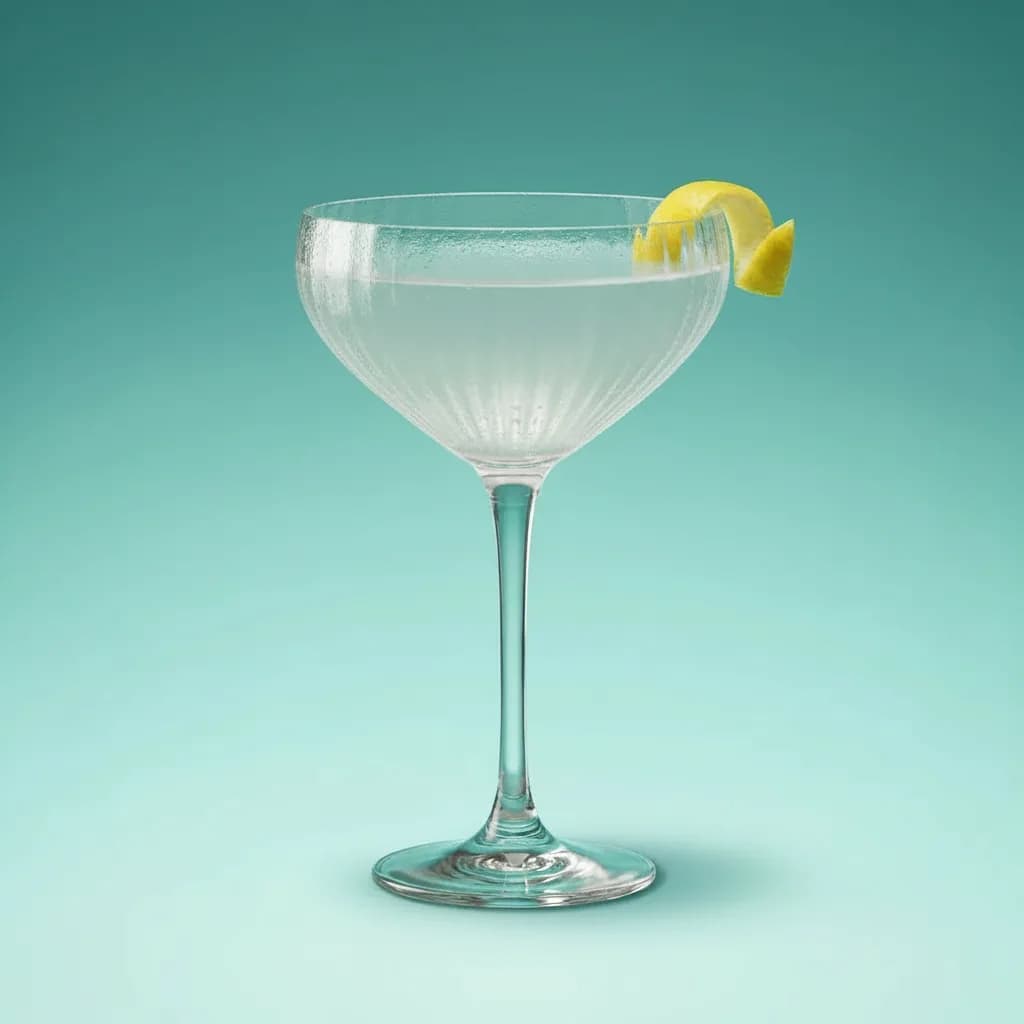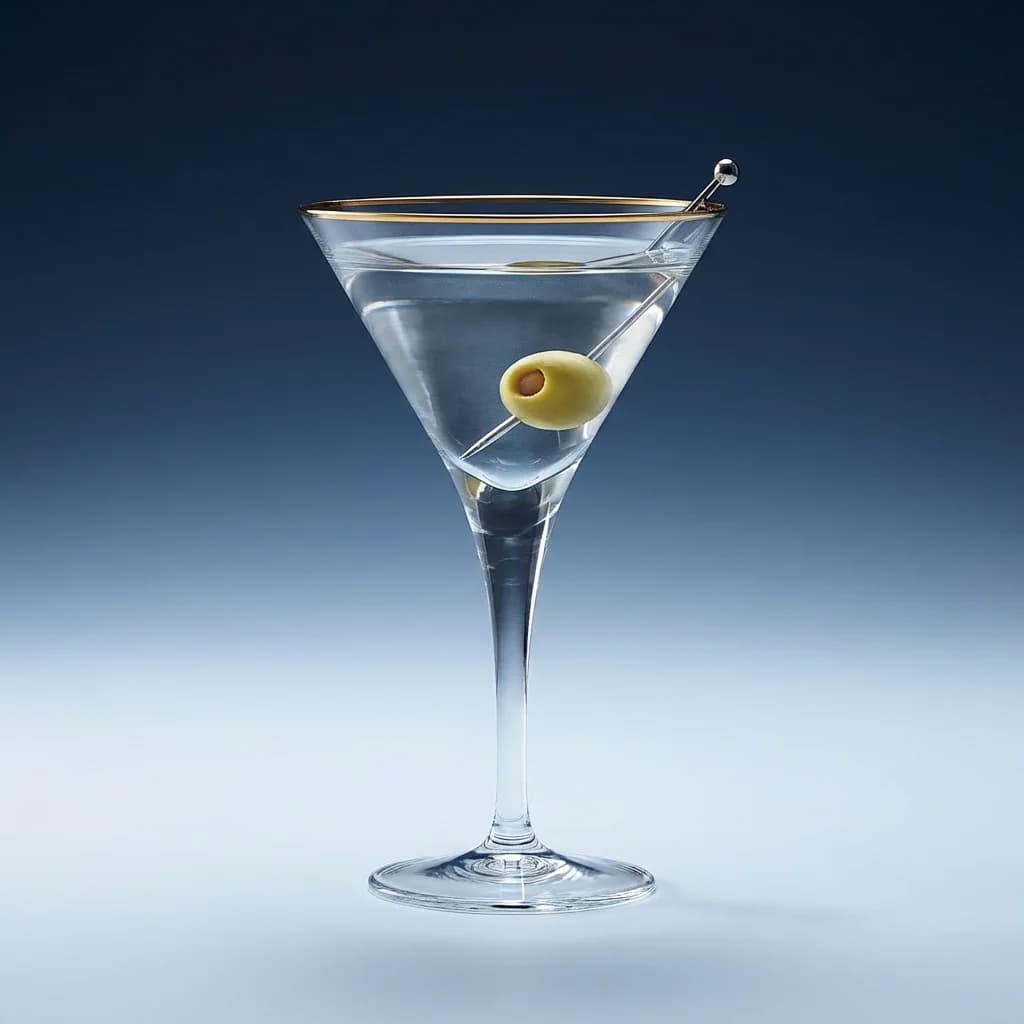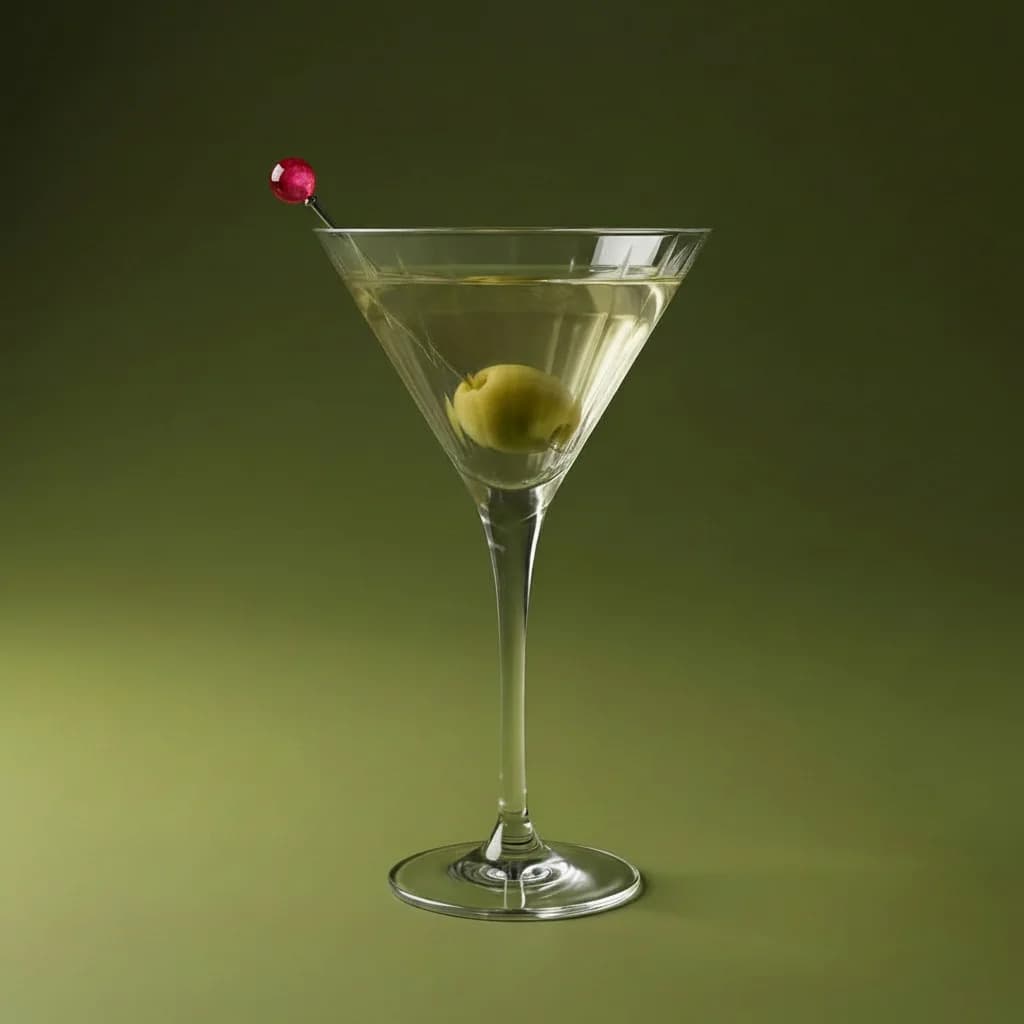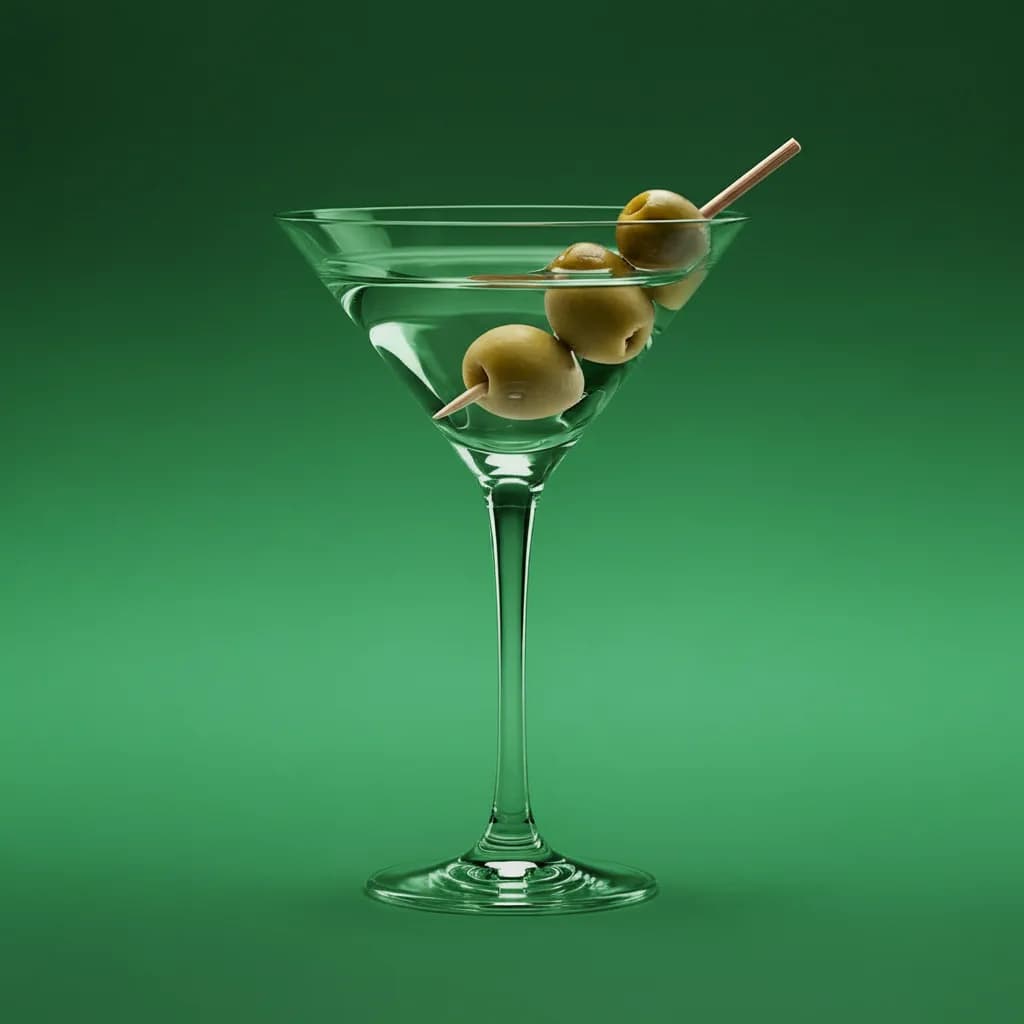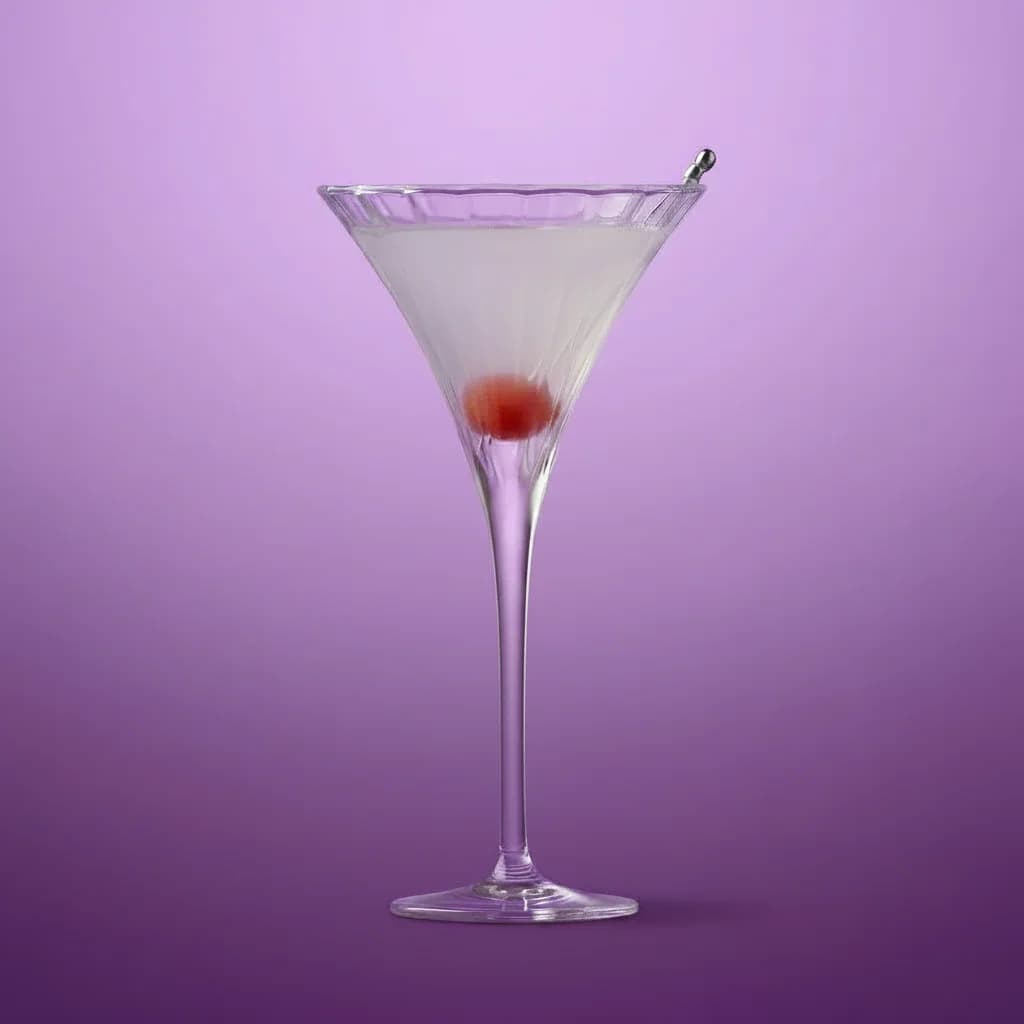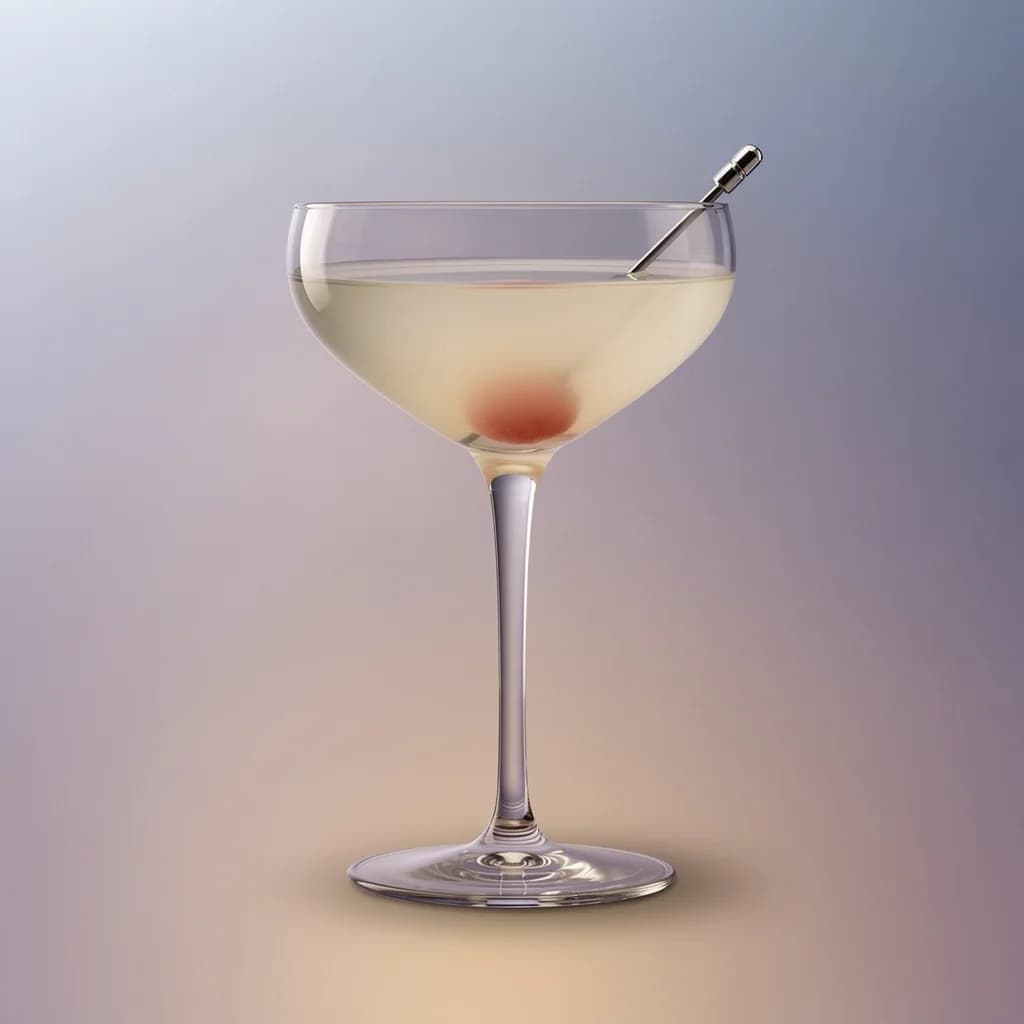
Perfect Martini
Stir ∙ 3 min ∙ 28.2% ABV ∙
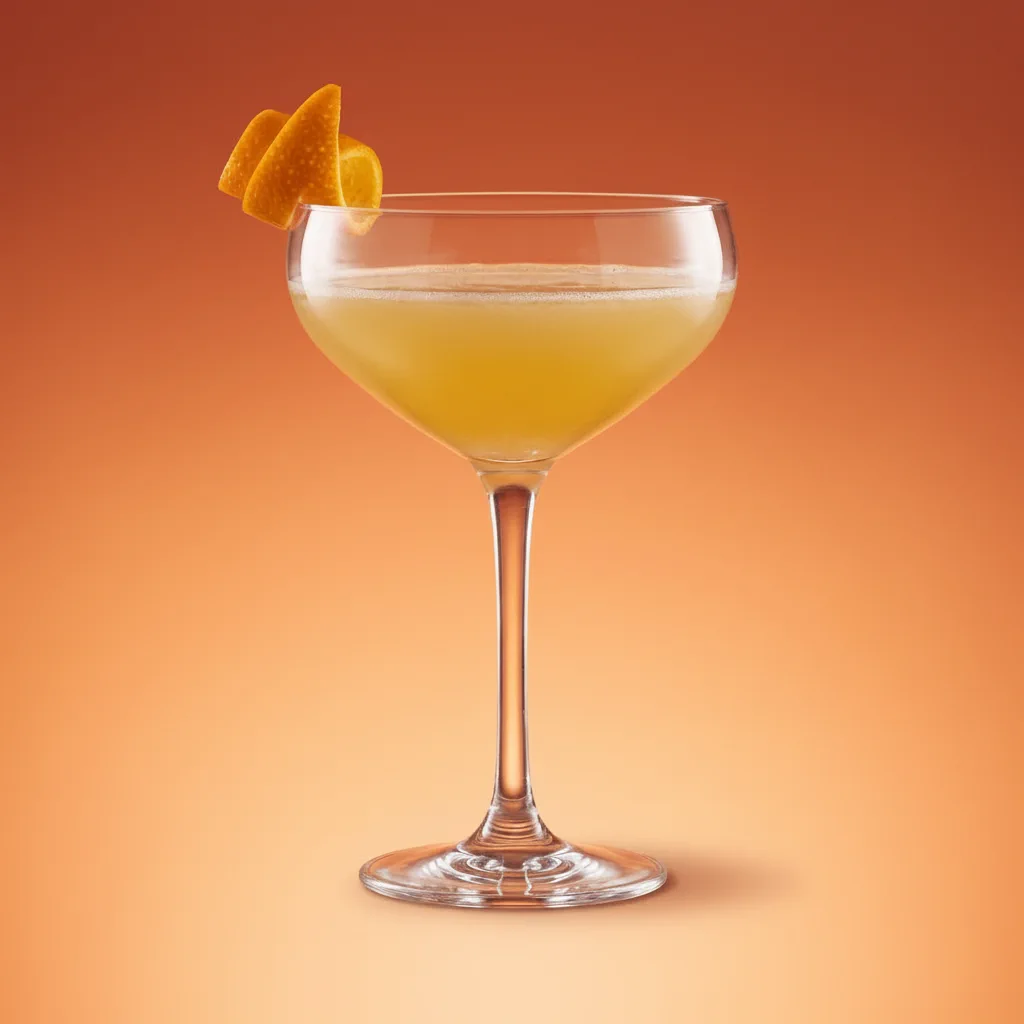
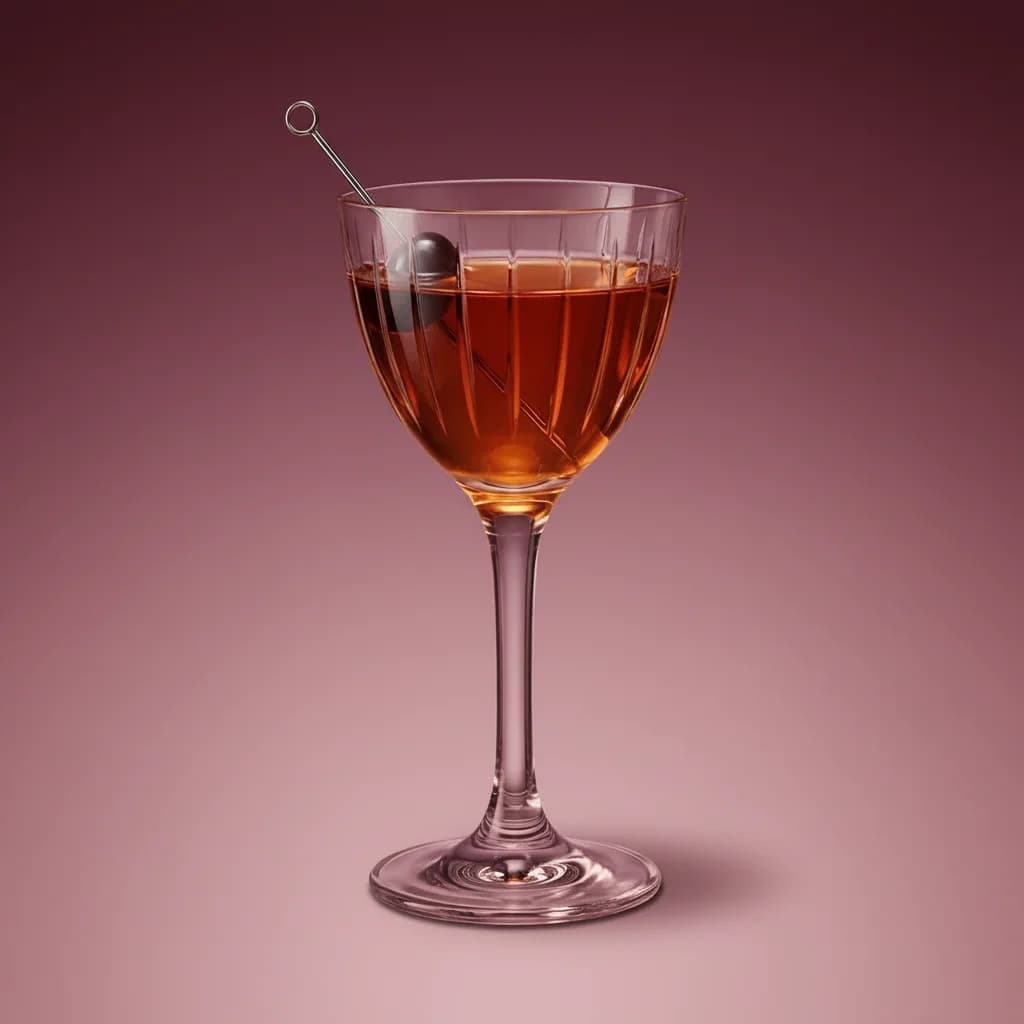
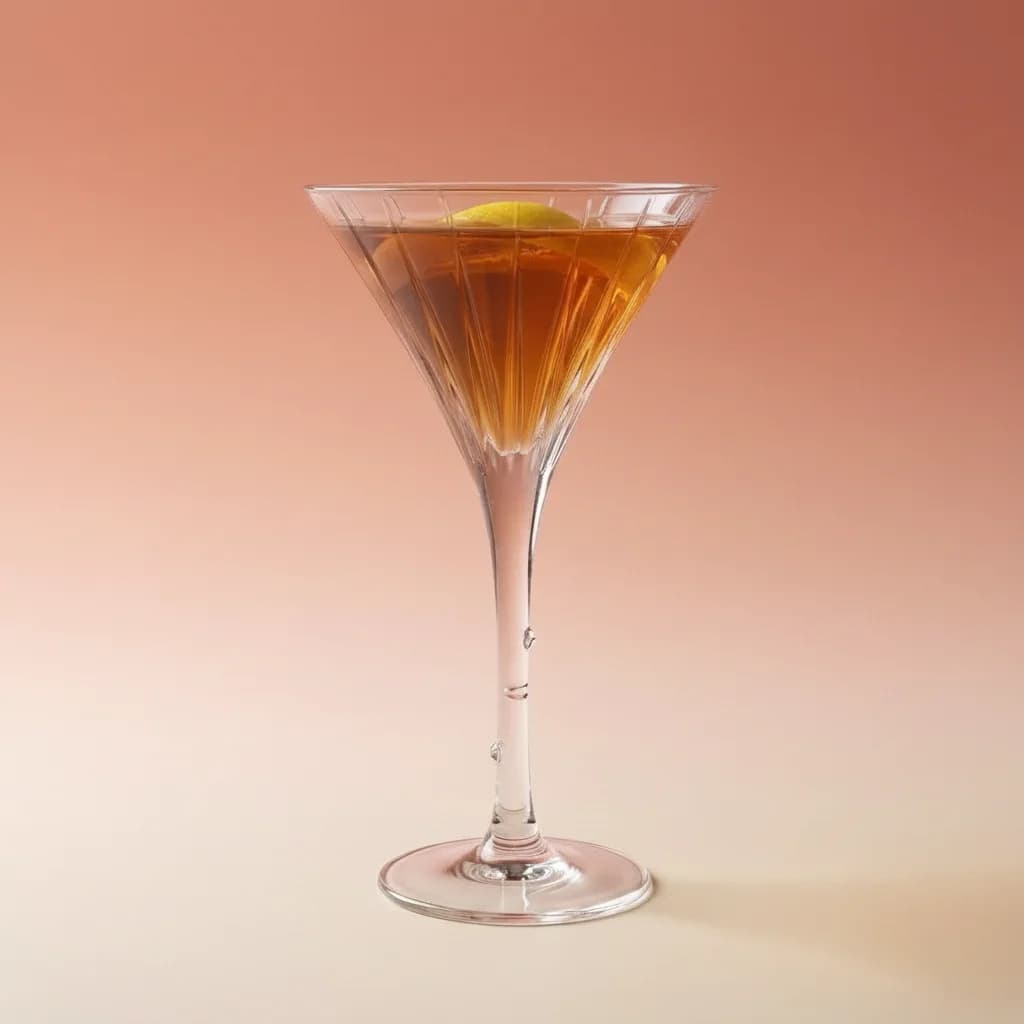
A Perfect Martini stirs gin with equal parts dry and sweet vermouth and a dash of orange bitters — the split-vermouth "perfect" style. Juniper-forward and silky from the stir, with the dry vermouth's tang balanced by a faint honeyed sweetness and a bright orange-oil finish.
Ingredients
1
Servings


Garnish

Instructions for 1 serving
- Pre-chill a glass
- Stir all ingredients with ice: London dry gin 45 mlDry vermouth 20 mlRosso vermouth 20 mlOrange bitters 1 dash
- Fine strain into the chilled glass
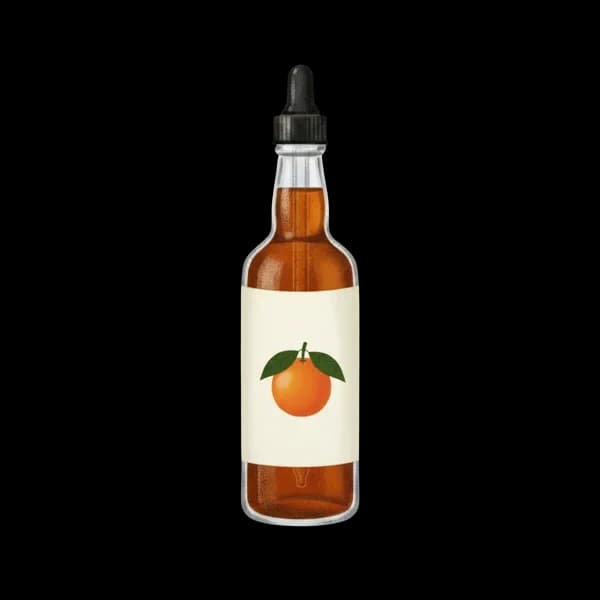
- Express an orange twist over the cocktail and use as garnish
Tips
- Stir over ice until the mixing glass frosts, roughly 20-30 seconds, to chill and dilute without clouding the drink.
- Measure the dry and rosso vermouth separately rather than eyeballing a combined pour, since equal parts is what defines this style.
History
The Perfect Martini takes its name from a mixing logic used among early twentieth-century bartenders: balancing equal parts dry and sweet vermouth against gin, splitting the difference between an all-dry Martini and an all-sweet one. Harry Craddock's 1930 Savoy Cocktail Book listed this build as the "Medium" Martini rather than "Perfect," and in his 1948 The Fine Art of Mixing Drinks, David Embury also used "Medium Martini," pointedly mocking the "Perfect" label as a poor judge of perfection; he further noted the same drink circulated as the Somerset, or as the Queen when made with equal parts vermouth and gin. The convention of calling a cocktail "perfect" for its equal split of dry and sweet vermouth was not unique to the Martini, appearing similarly in the Perfect Manhattan.
The Perfect Martini's parent, the Dry Martini, is generally traced to New York and San Francisco bartenders of the late 1800s and early 1900s, with its origin disputed among several claimants, including a bartender at New York's Knickerbocker Hotel around 1911 or 1912. Where the Dry Martini uses only dry vermouth alongside gin, the Perfect Martini adds an equal measure of sweet vermouth, softening the drink's dryness with a rounder, more aperitif-like character.
FAQ
What is a Perfect Martini?
A Perfect Martini is a stirred gin cocktail that splits its vermouth evenly between dry and rosso, giving it a rounder, less austere edge than a classic Martini. It's fine-strained into a chilled martini glass and finished with an expressed orange twist.
What is the difference between a Perfect Martini and a classic Martini?
A classic Martini uses dry vermouth only, while a Perfect Martini splits the vermouth evenly between dry and sweet (rosso), giving it a rounder, slightly sweeter profile. This build also adds a dash of orange bitters, which a classic Martini typically omits.
What is the perfect ratio for a Martini?
In a Perfect Martini, the defining ratio is equal parts dry and sweet vermouth against a larger measure of gin, which is what earns it the name "perfect" rather than referring to an ideal or definitive Martini ratio in general. This build stirs gin with matched pours of dry and rosso vermouth plus a dash of orange bitters.
What does "perfect" mean in a Martini?
In cocktail terms, "perfect" means the vermouth is split evenly between dry and sweet styles instead of using just one, a naming convention applied to several classic cocktails, not only the Martini. It has nothing to do with the drink being flawless or ideal.
What is the secret to a great Martini?
Thorough chilling and precise measuring make the biggest difference: stir over ice until well-diluted, use a pre-chilled glass, and measure each ingredient rather than free-pouring. In this build, keeping the dry and rosso vermouth in equal amounts is what preserves the balanced, "perfect" style rather than tipping it toward either the classic dry Martini or a sweeter one.
What are common Martini mistakes?
The most common mistakes are under-chilling, over-diluting from a weak or rushed stir, and skipping fresh citrus oils from the garnish. Eyeballing the vermouth instead of measuring it is another frequent error, since even small imbalances shift a Perfect Martini away from its equal-parts style.