Old Pal
A bitter and sweet cocktail ∙ Stir ∙ 3 min ∙ 24% ABV ∙
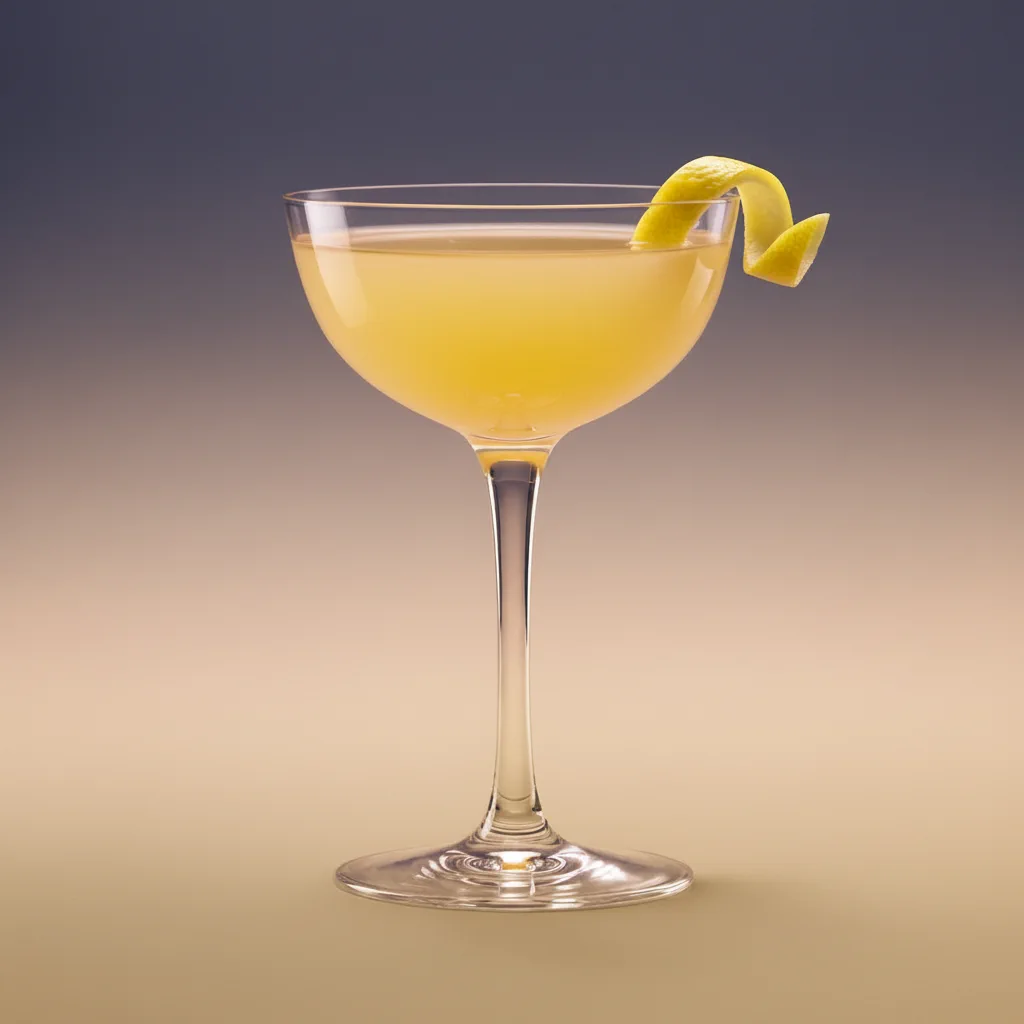
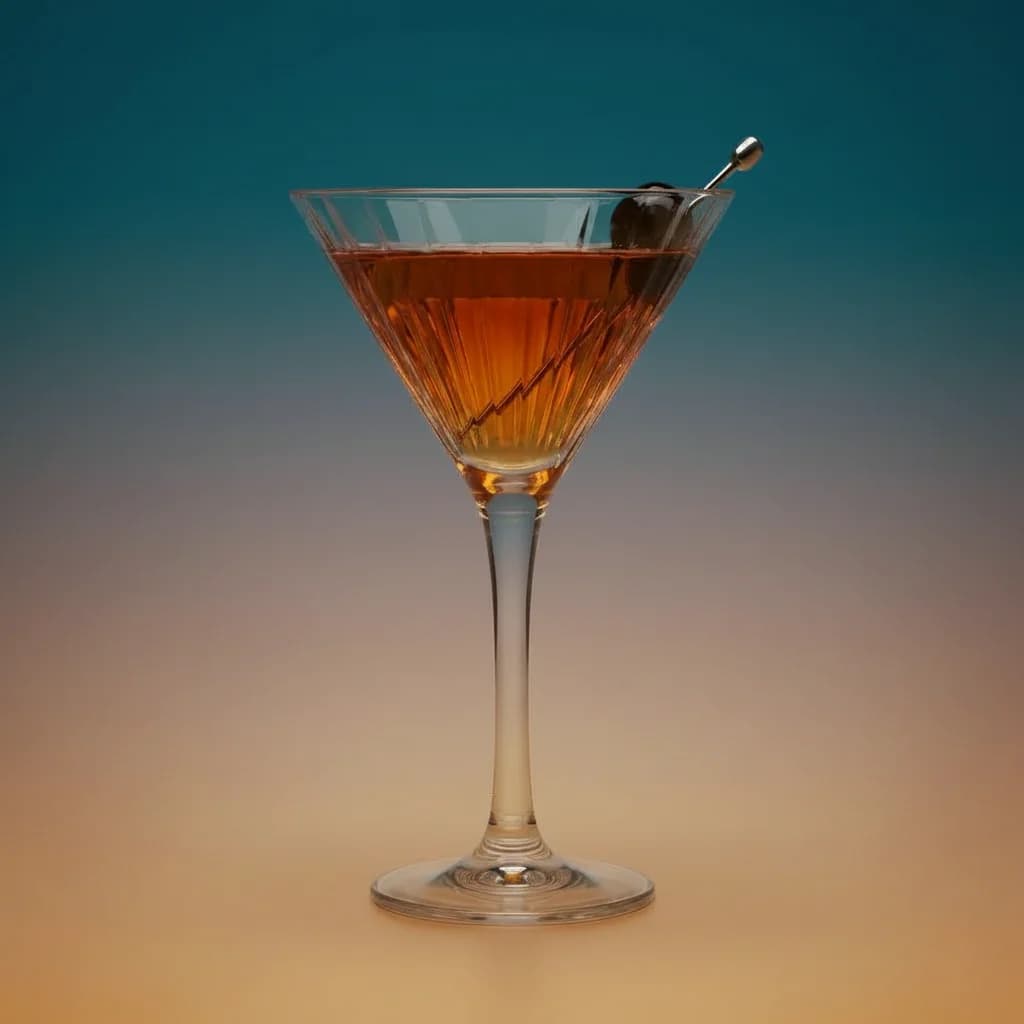
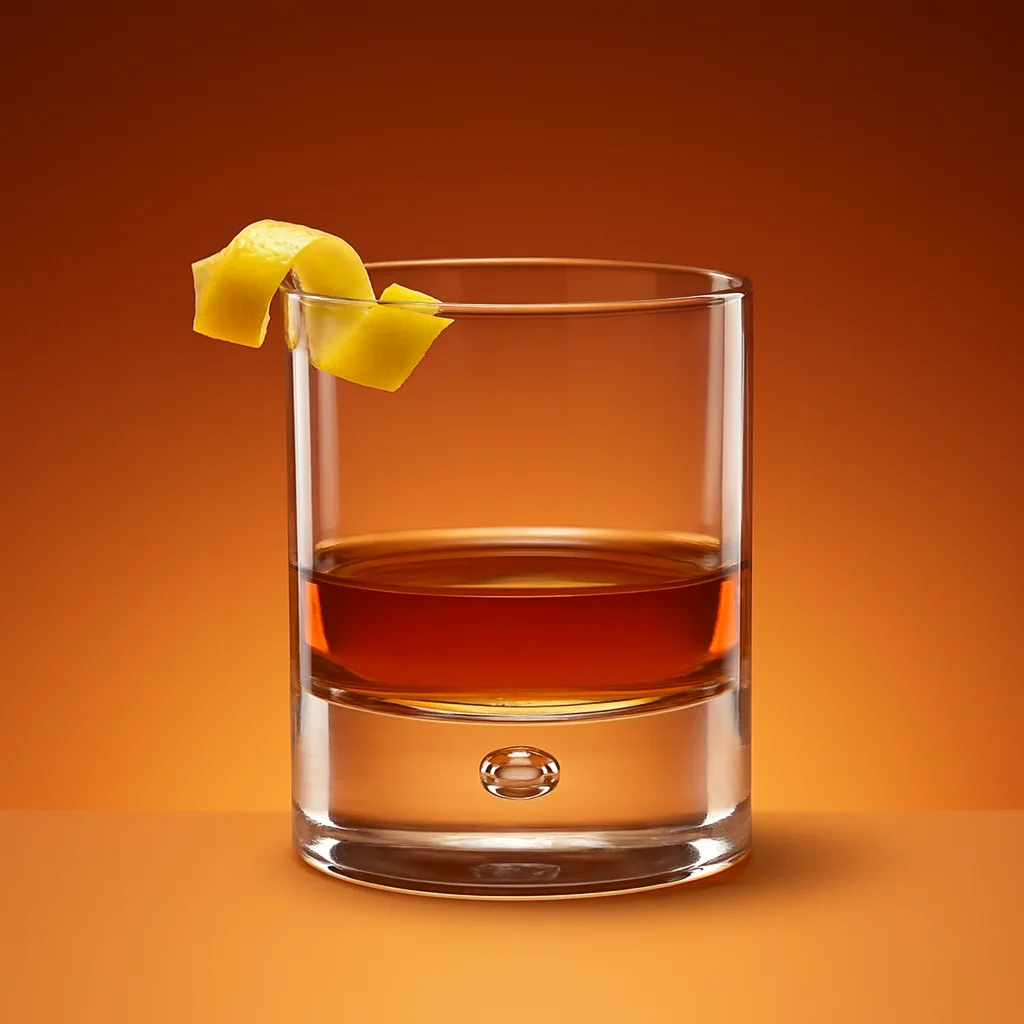
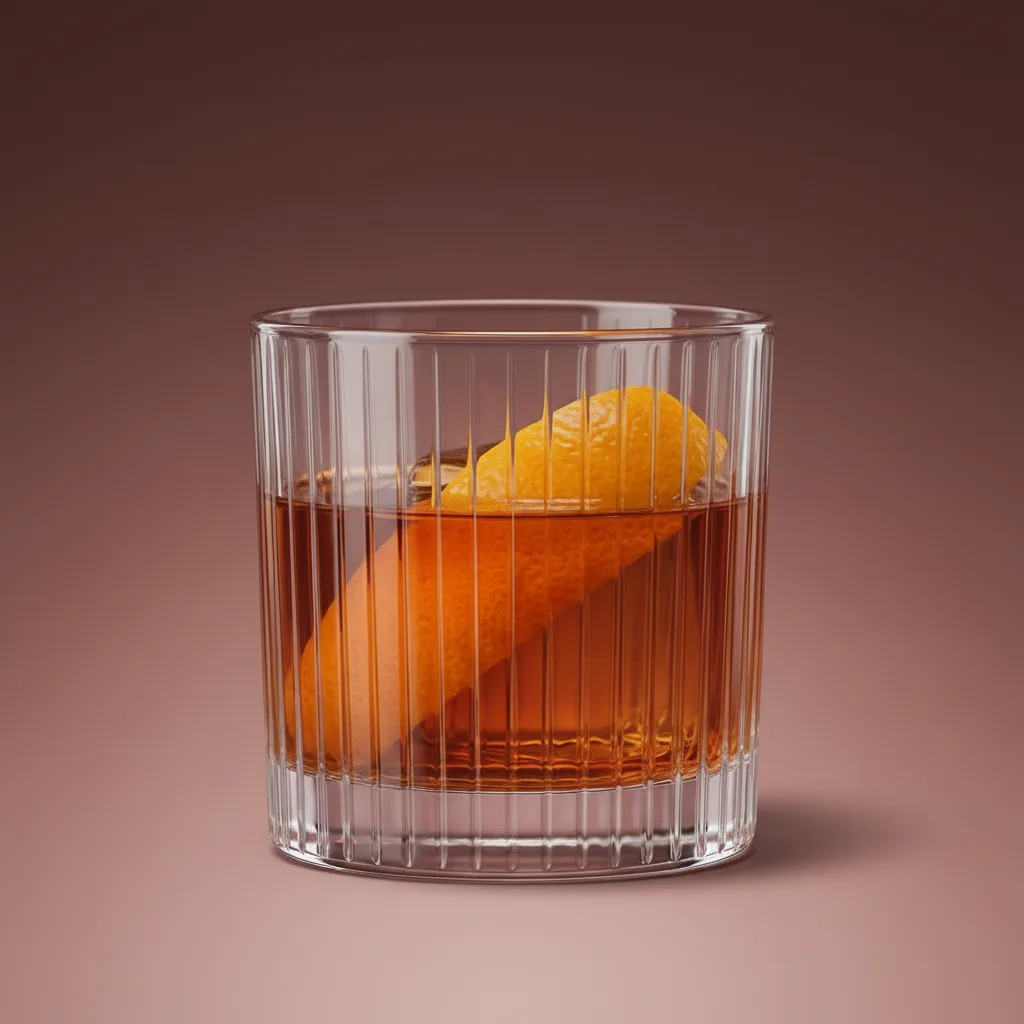
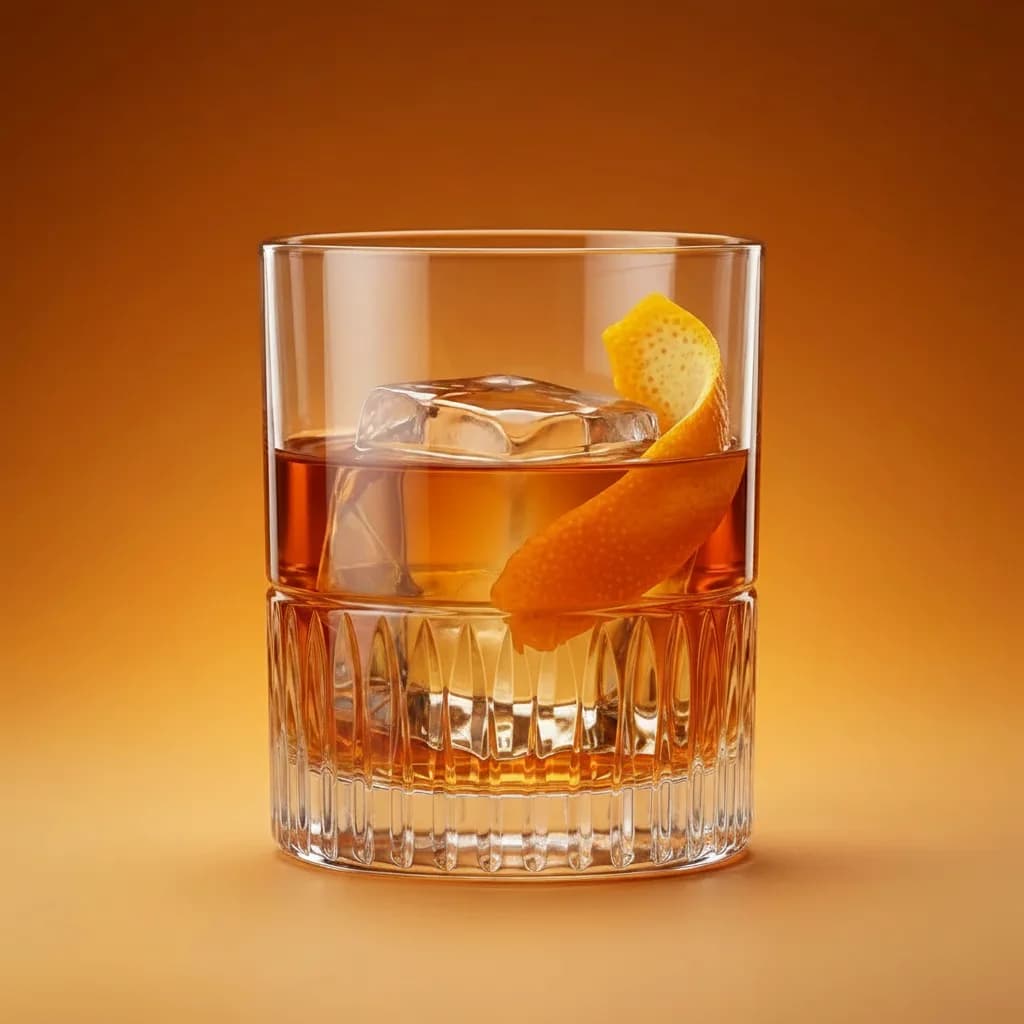
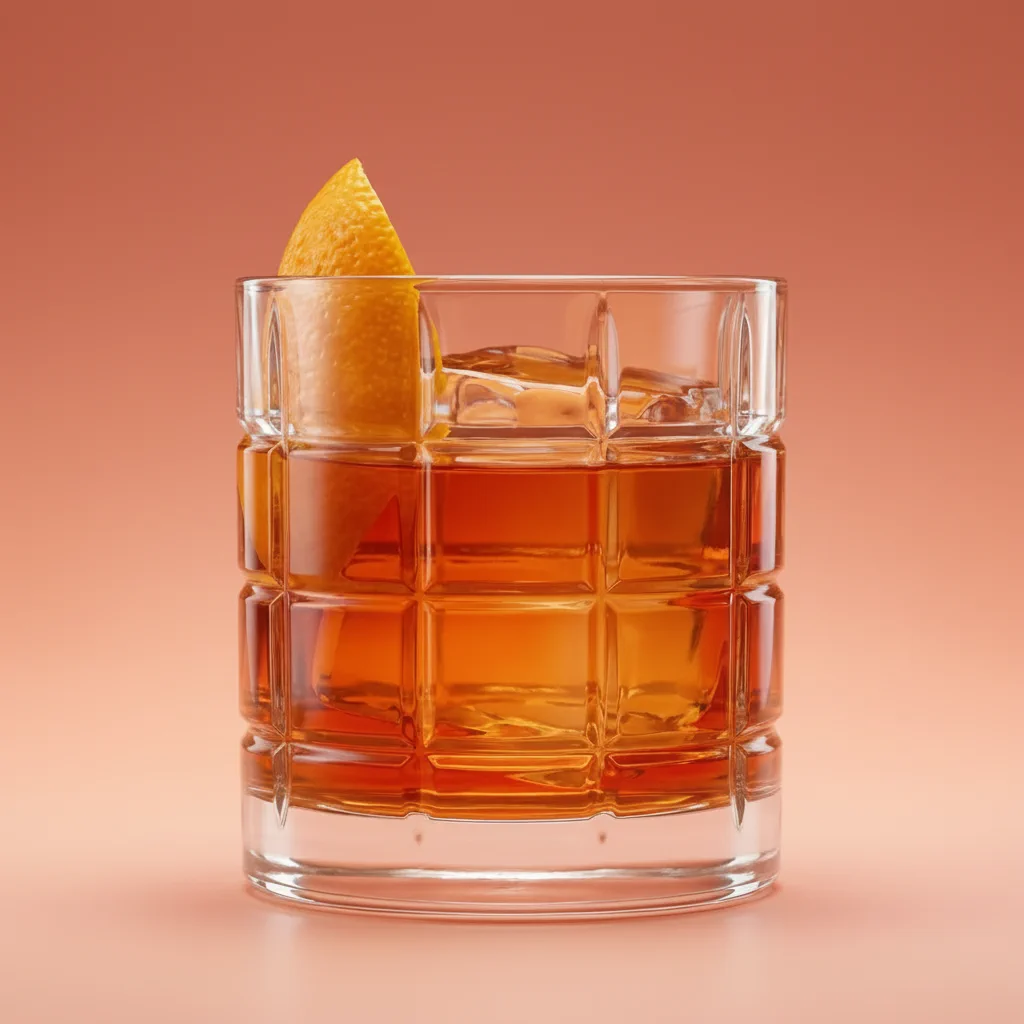
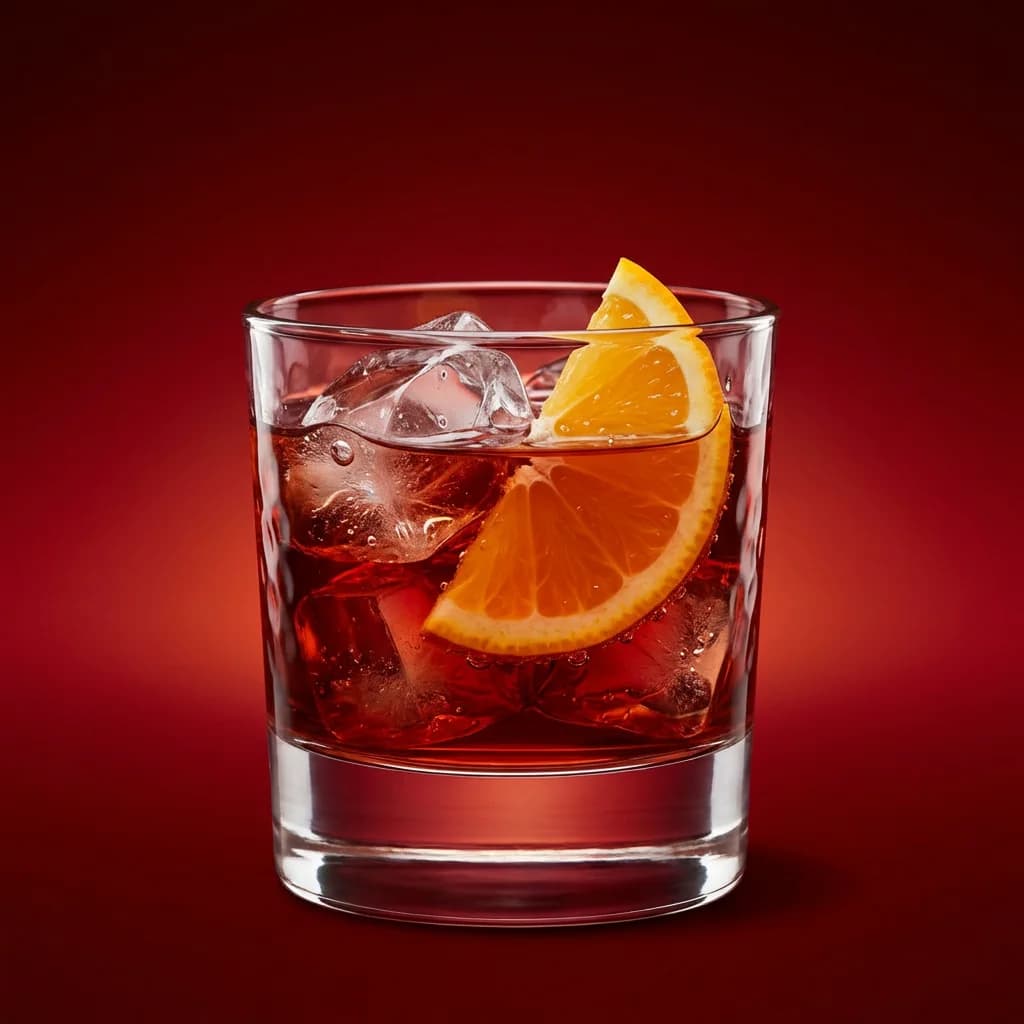
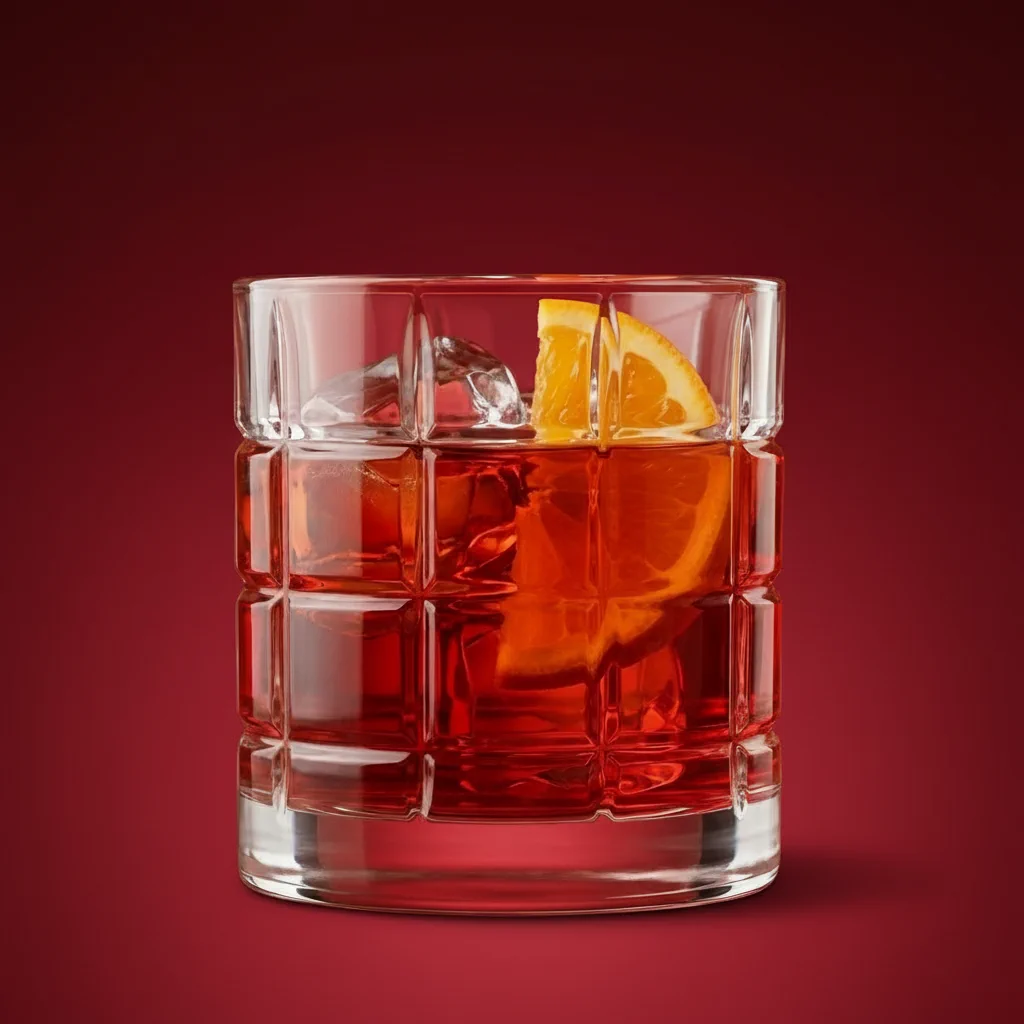
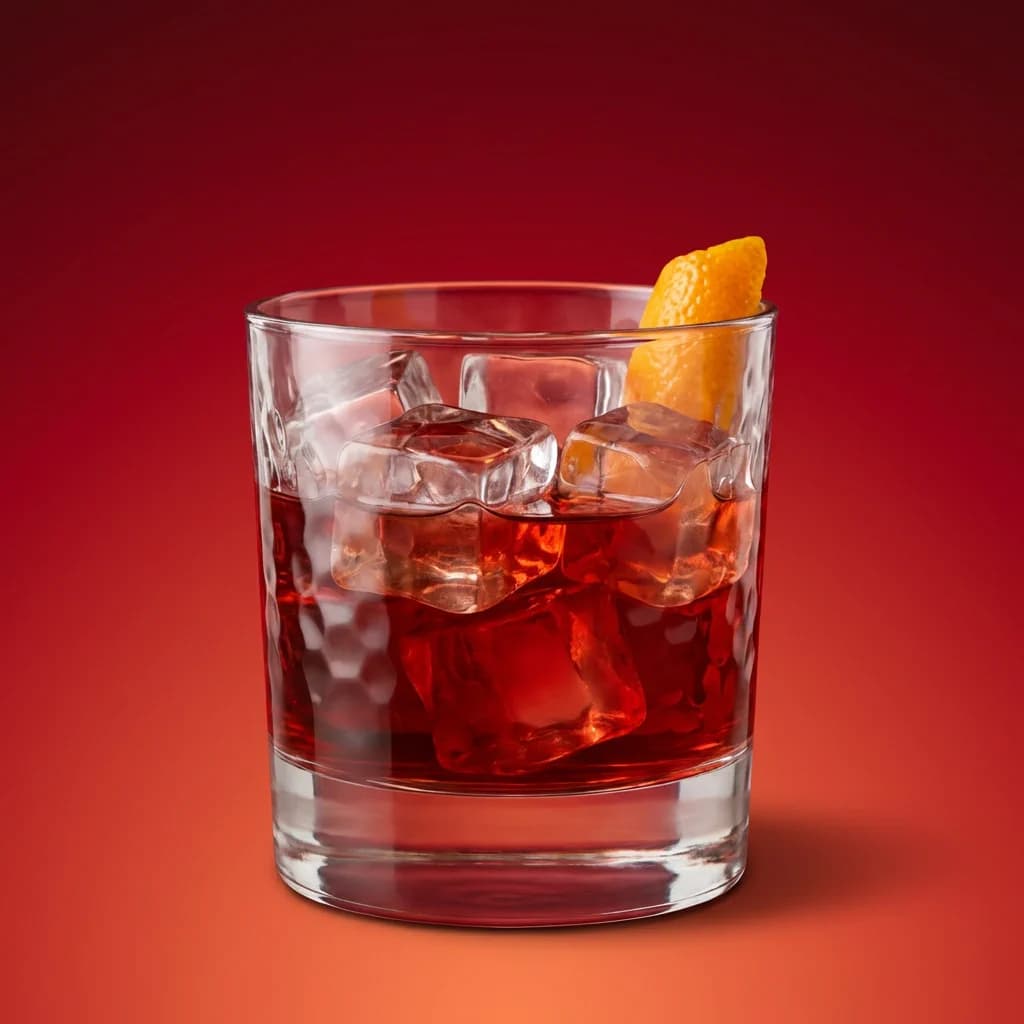
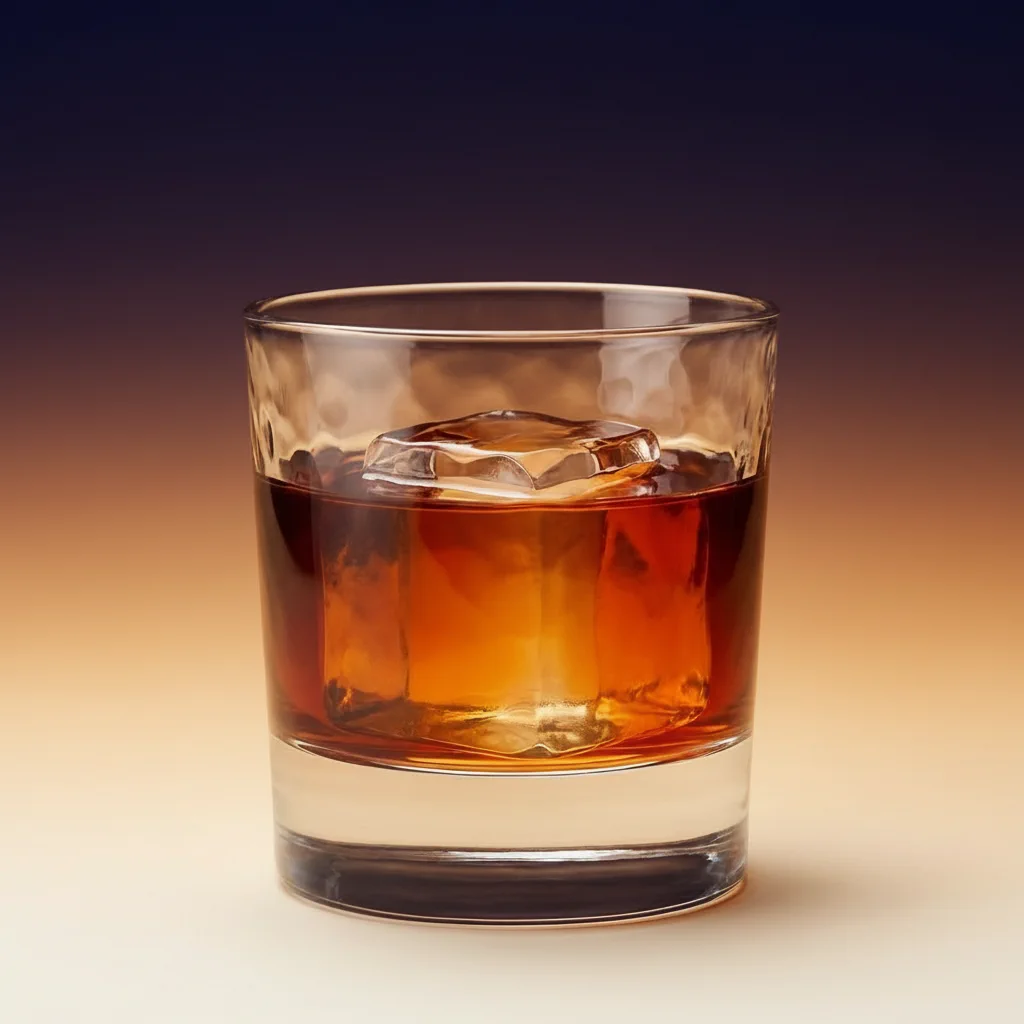
The Old Pal is a drier, rye-based cousin of the Negroni: rye whiskey, a red bitter such as Campari, and dry and bianco vermouth, stirred.
Ingredients
1
Servings


Garnish

Instructions for 1 serving
- Pre-chill a glass
- Stir all ingredients with ice: Rye whiskey 30 mlRed bitter 30 mlDry vermouth 15 mlBianco vermouth 15 ml
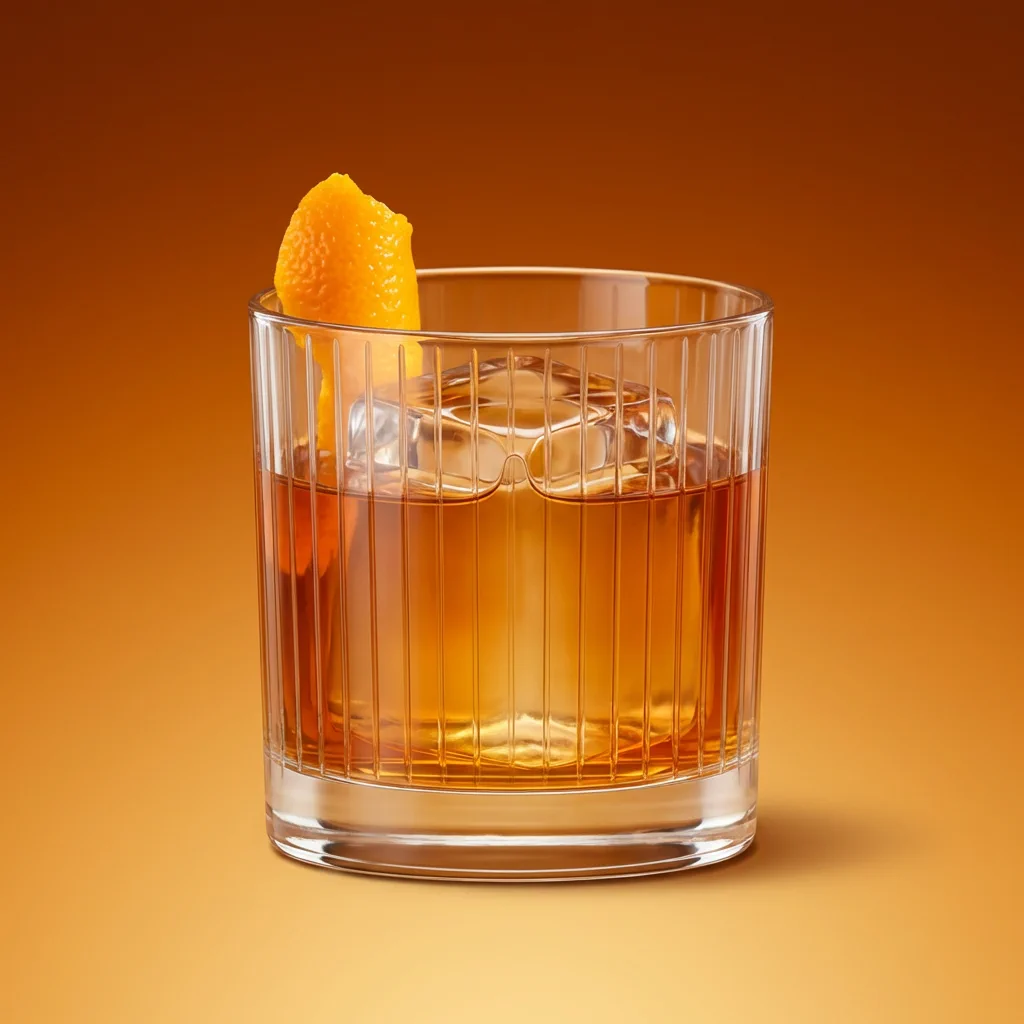
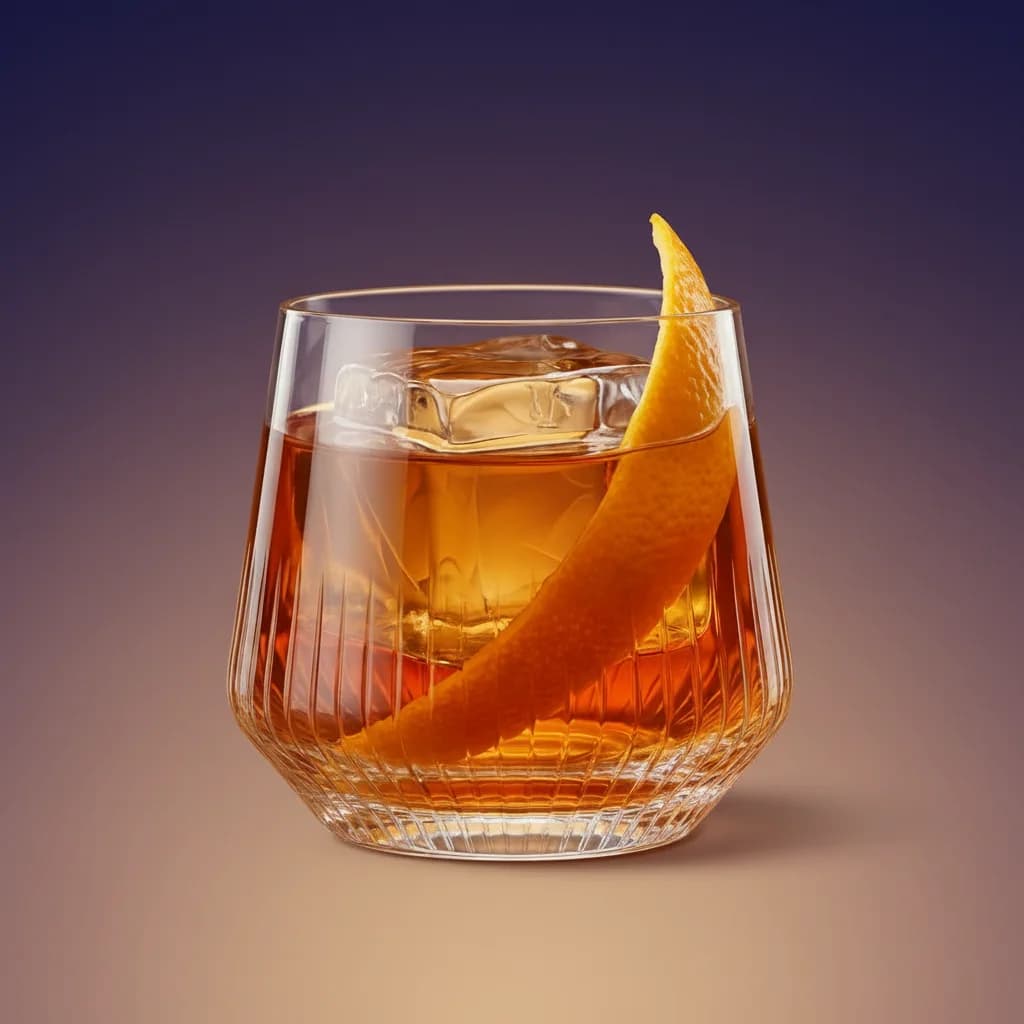
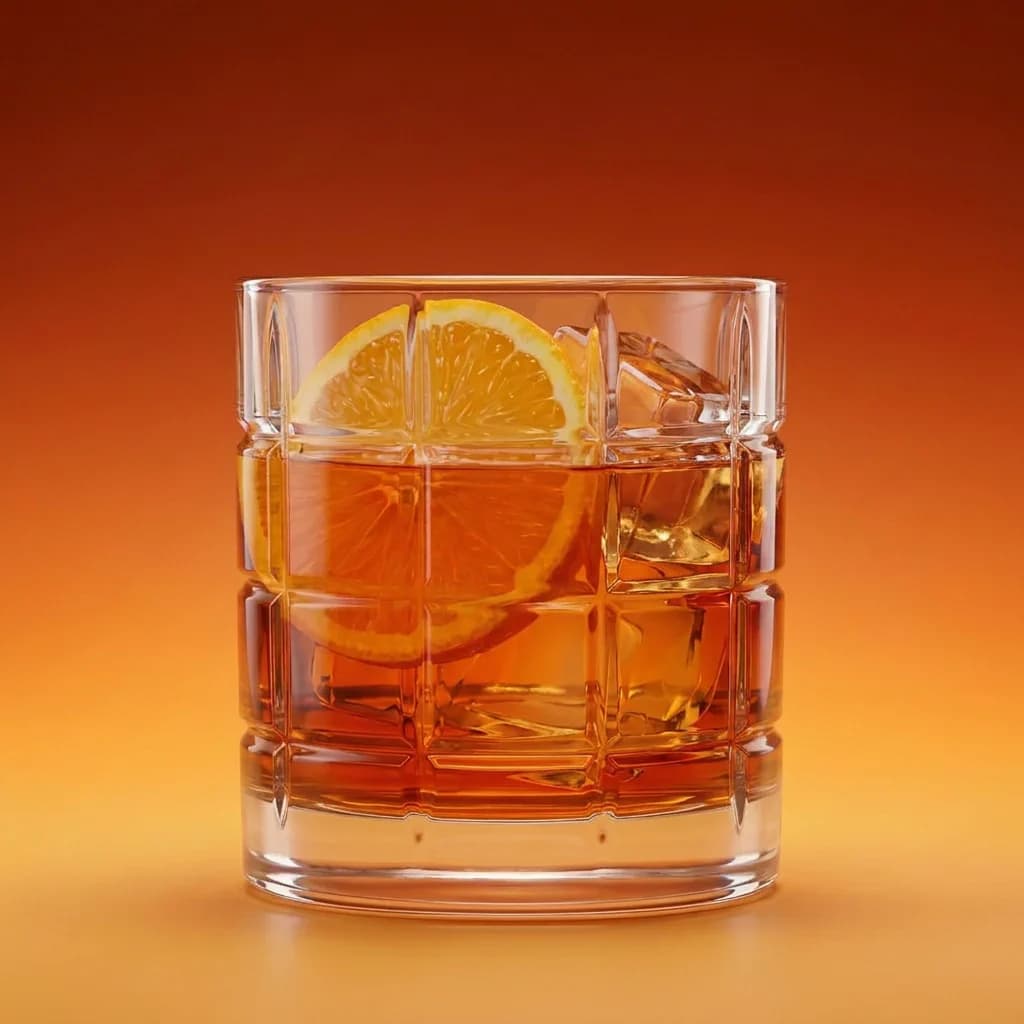
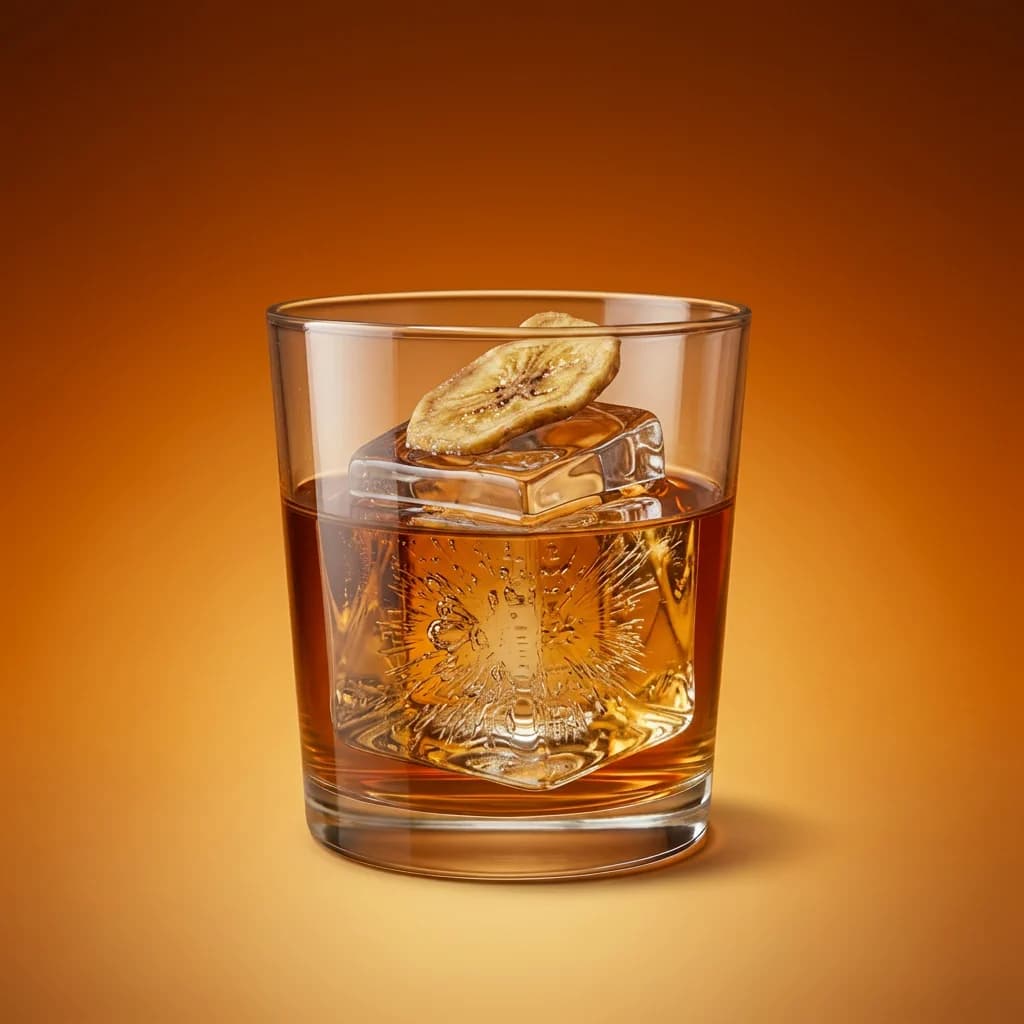
- Strain into the ice-filled glass (preferably over a large cube or chunk of block ice)
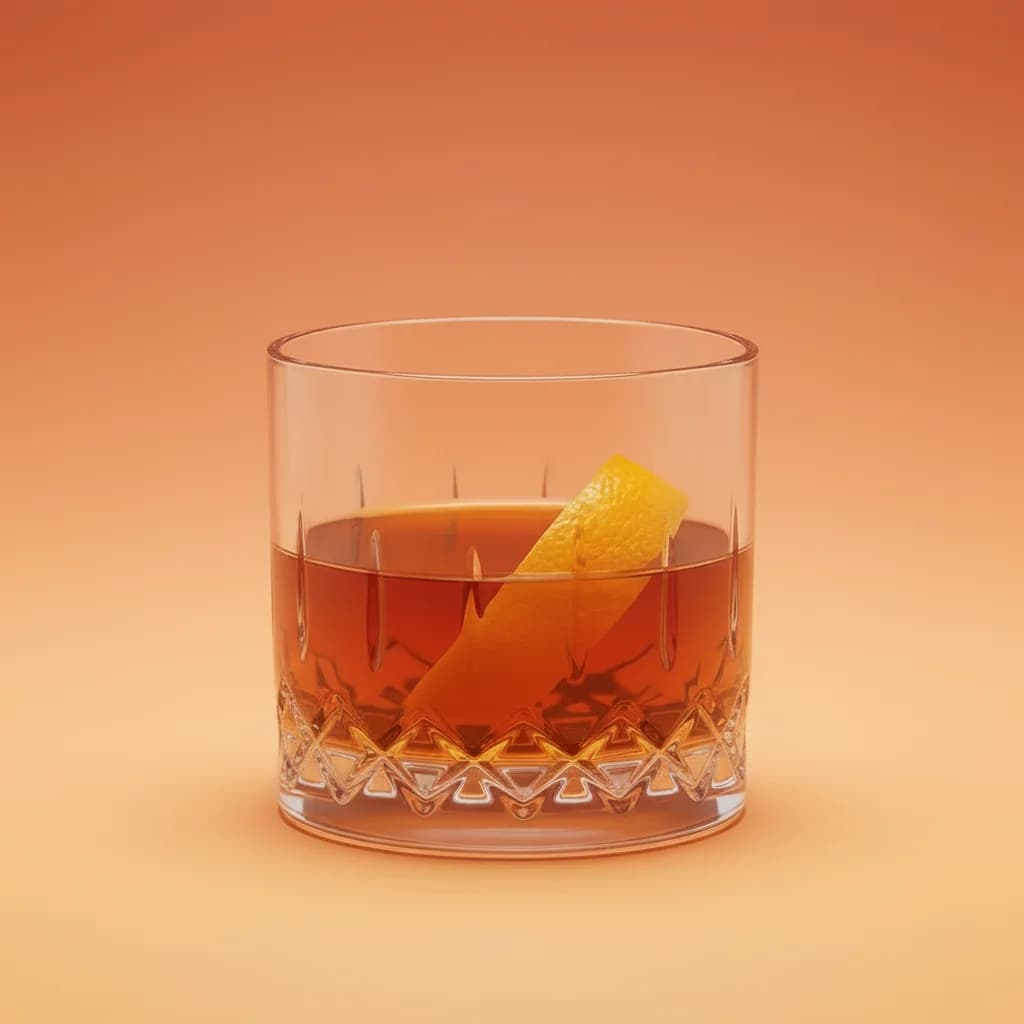
- Garnish with an orange slice
Tips
- Reach for a 50% rye, not a soft blend; it takes real rye spice to stand up to two vermouths and the bitter.
History
The Old Pal has its own documented origin: it first appeared in print in 1922 in Harry MacElhone's Harry's ABC of Mixing Cocktails. There the recipe was credited to William "Sparrow" Robertson, the sports editor of the New York Herald's Paris edition and a fixture of the city's expatriate bar scene. MacElhone, who ran Harry's New York Bar in Paris, framed the drink as coming from his "old pal," giving the cocktail its name. A later, more colorful account in the 1927 appendix to MacElhone's Barflies and Cocktails has Robertson claiming to have invented the formula himself back in 1878 at a foot race, a story widely regarded as apocryphal rather than a genuine origin.
The Old Pal is essentially a drier sibling of the Negroni, swapping in rye whiskey for gin and an equal split of dry and bianco vermouth for sweet vermouth, which sharpens the drink's bitterness and cuts its sweetness. The Negroni itself is most commonly traced to Florence in 1919, though its own origin is disputed among several claimants.
FAQ
What is an Old Pal drink?
A stirred cocktail of rye whiskey, a red bitter such as Campari, and dry and bianco vermouth, served over ice. It belongs to the Negroni family but is drier and tastes more of whiskey, since rye replaces the gin and dry vermouth replaces the sweet.
What is in an Old Pal?
30 ml rye whiskey, 30 ml of a red bitter such as Campari, 15 ml dry vermouth, and 15 ml bianco vermouth.
What's the difference between an Old Pal and a Boulevardier?
The vermouth. A Boulevardier uses sweet vermouth, so it is richer and sweeter, while the Old Pal splits dry and bianco vermouth for a crisper, less sweet drink. Both pair whiskey with a red bitter such as Campari.
What's the difference between an Old Pal and a Negroni?
A Negroni uses gin and sweet vermouth, so it is sweeter and tastes of juniper. The Old Pal swaps in rye whiskey and drier vermouth, which make it leaner and spicier. Both get their bitterness from a red bitter such as Campari.
Can I use bourbon instead of rye in an Old Pal?
You can, but the drink turns softer and sweeter, since bourbon lacks rye's spice. That peppery rye edge is what stands up to the red bitter and two vermouths, which is why this recipe calls for a 50% rye.