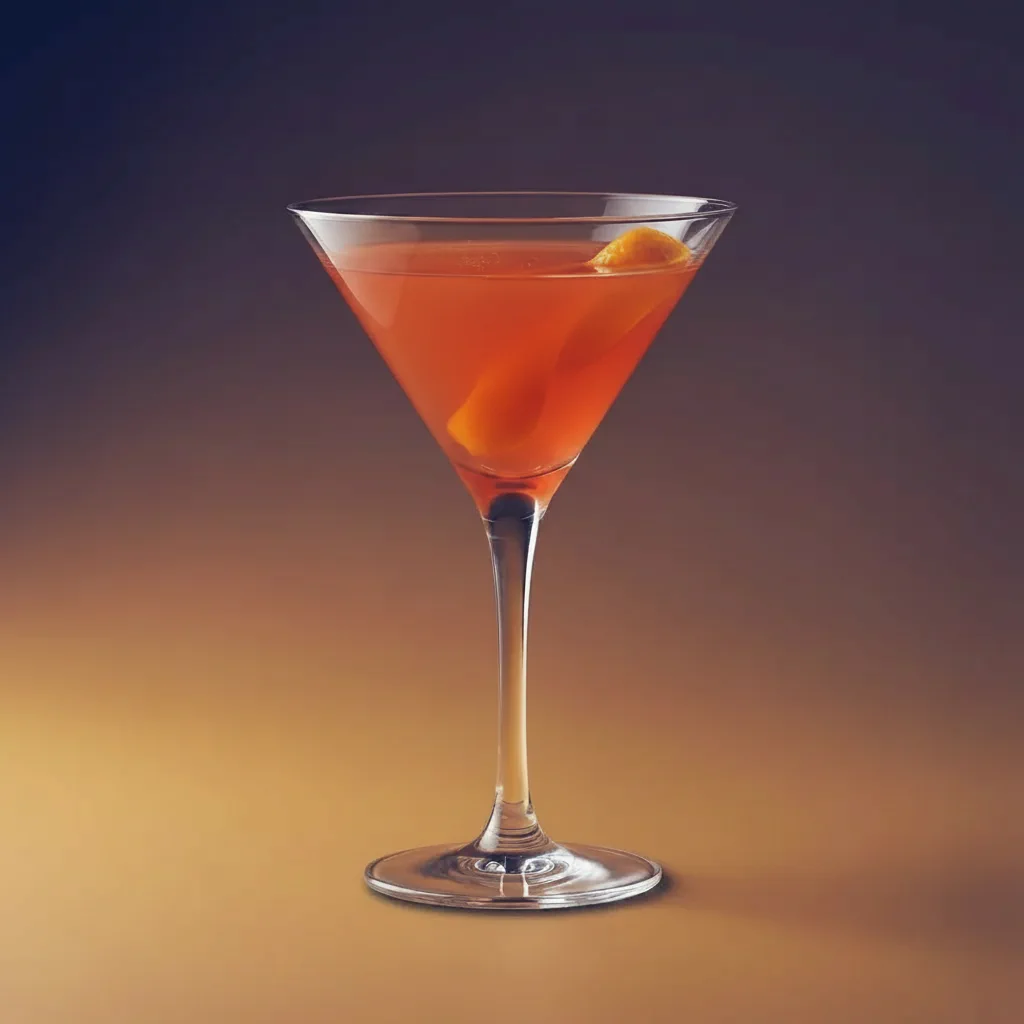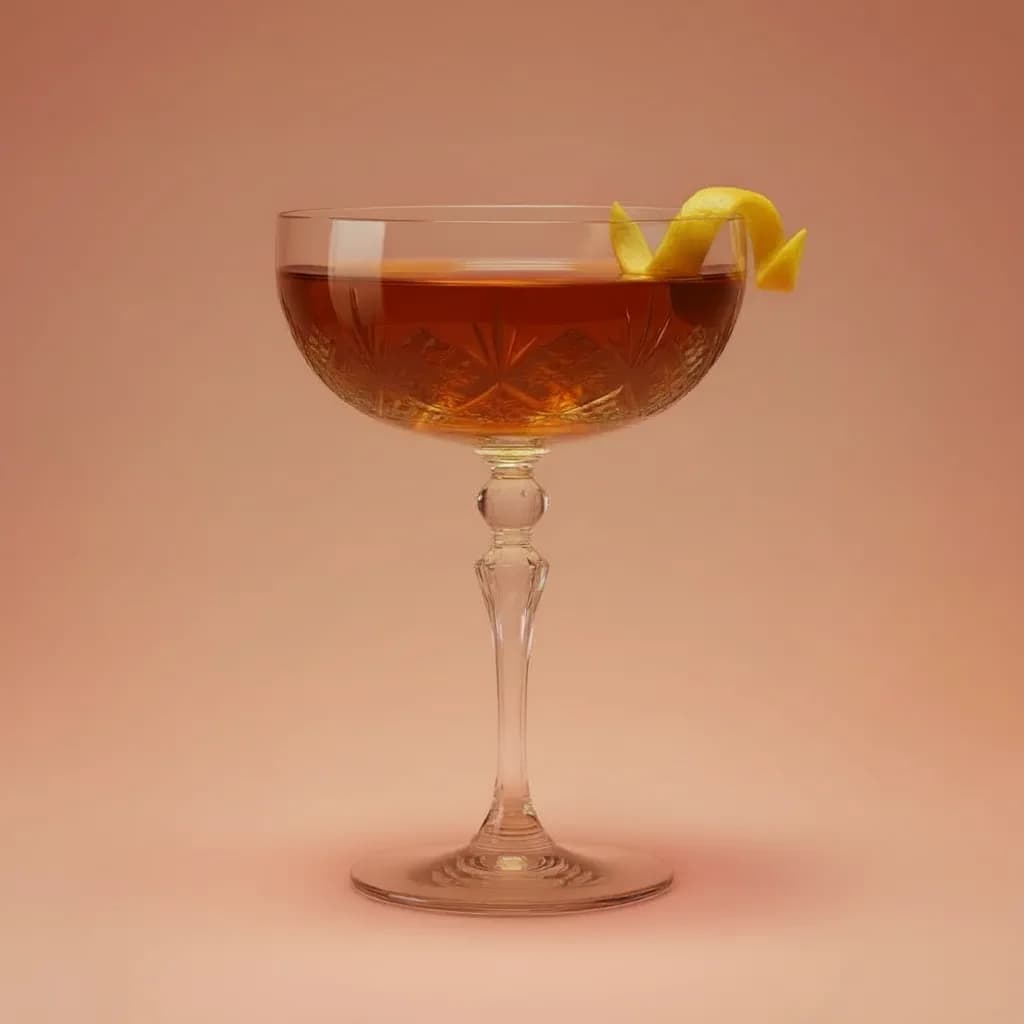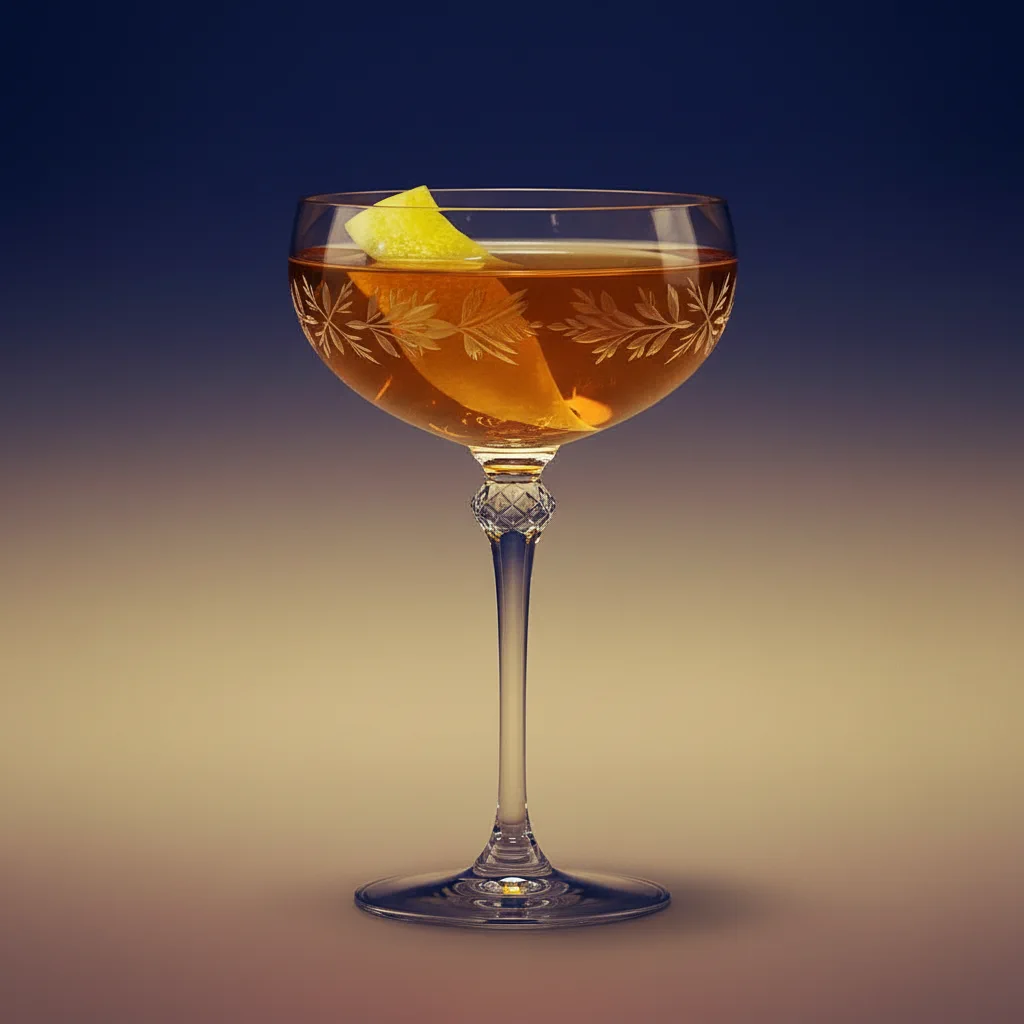
Smoky Whisky Sour
A smoky and sour cocktail ∙ Dry shake ∙ 5 min ∙ 16.5% ABV ∙
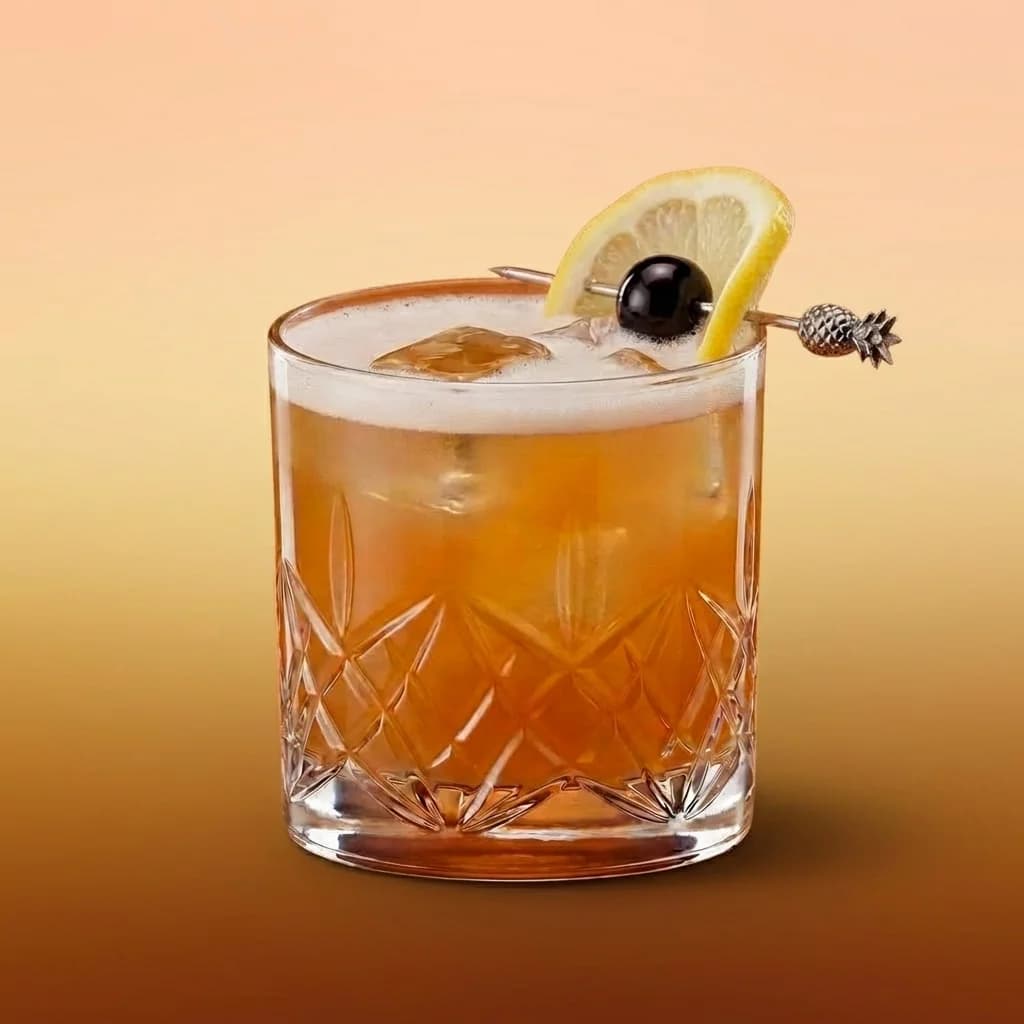
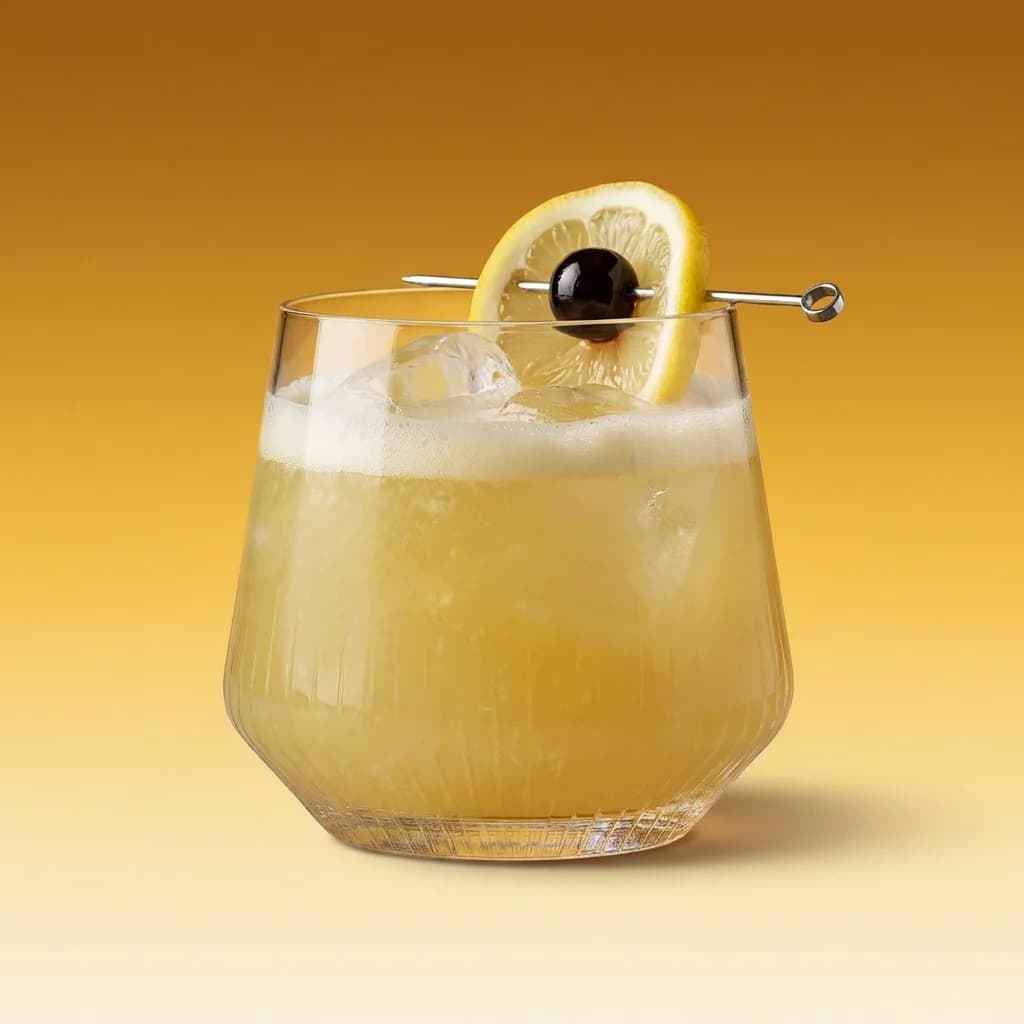
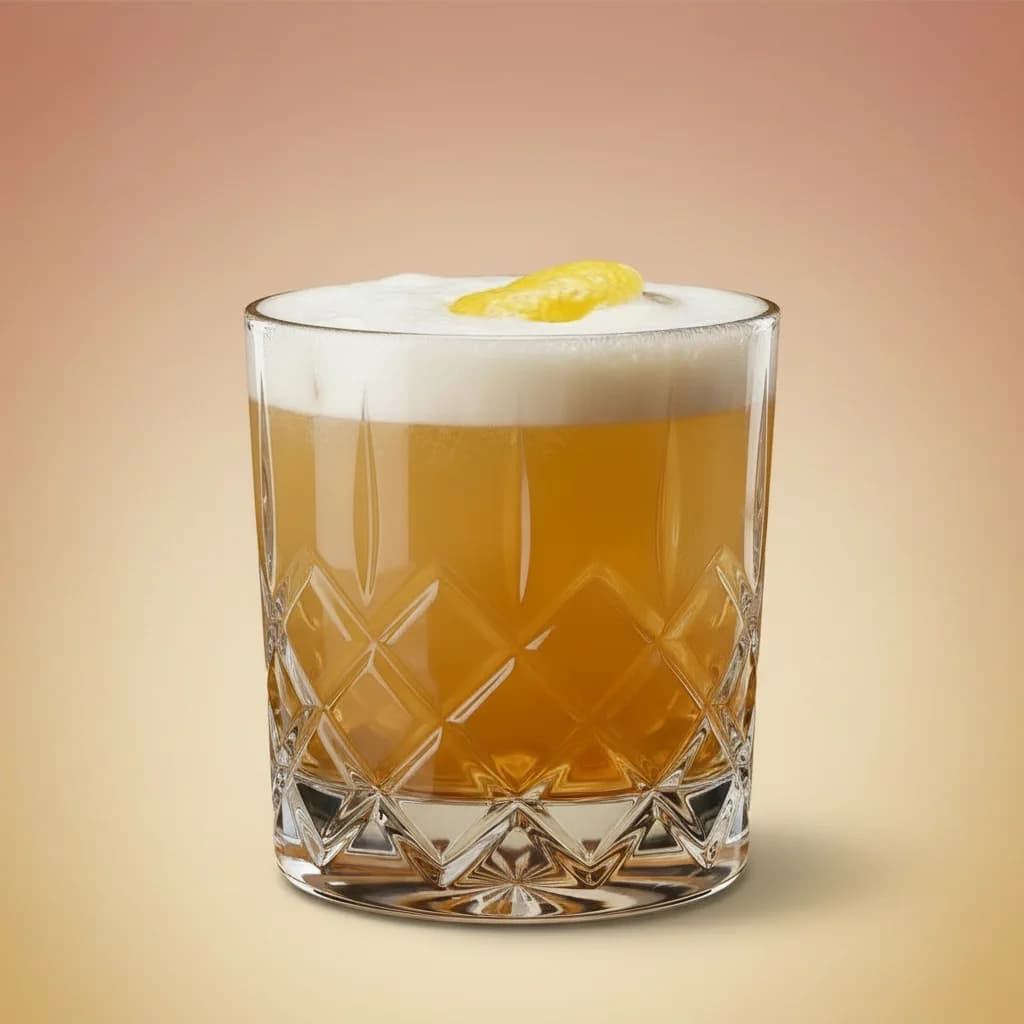
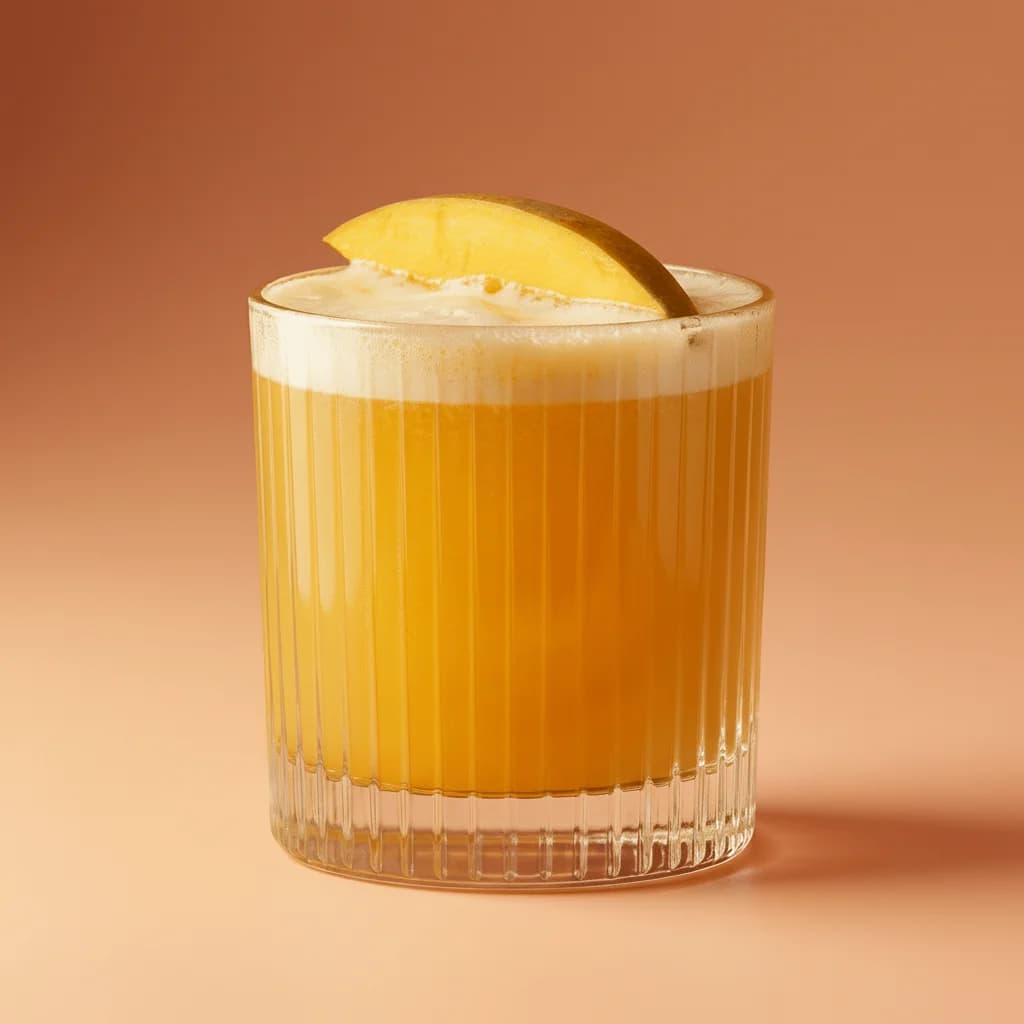
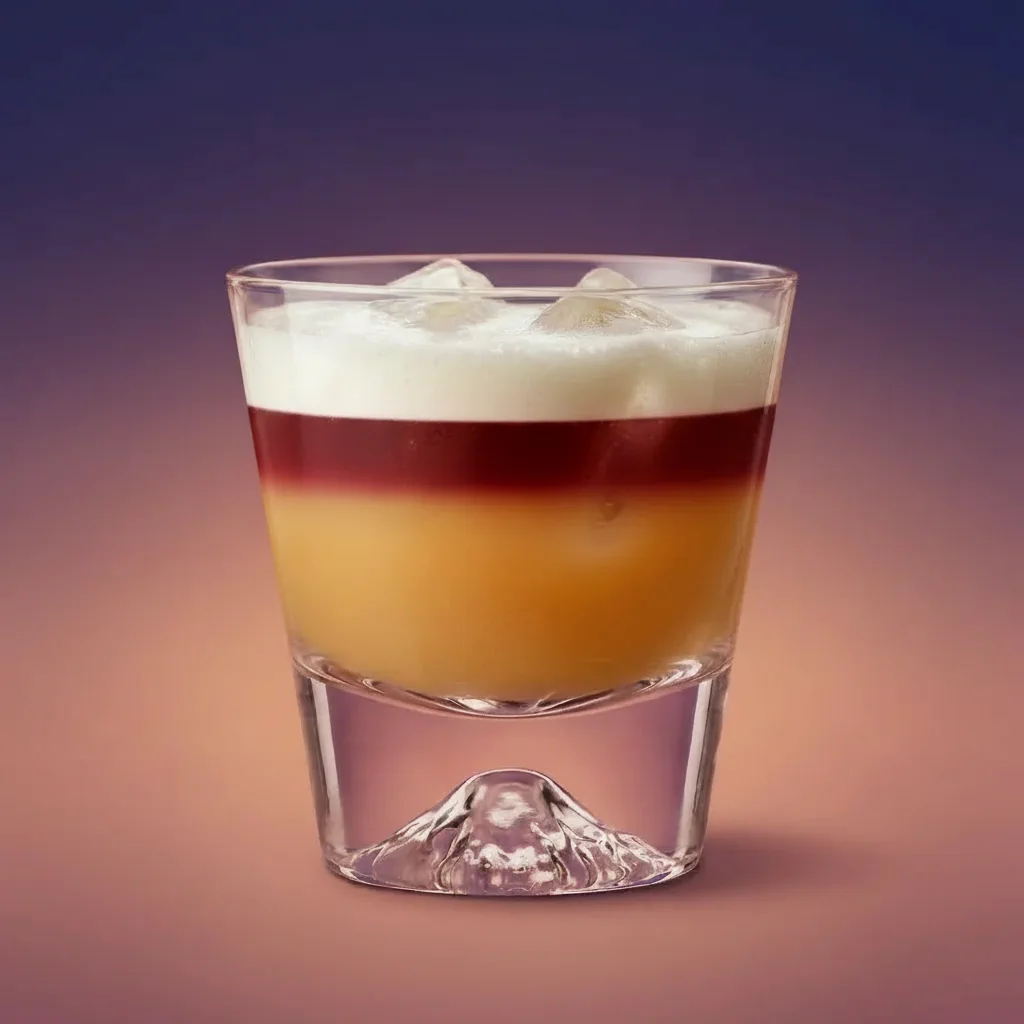
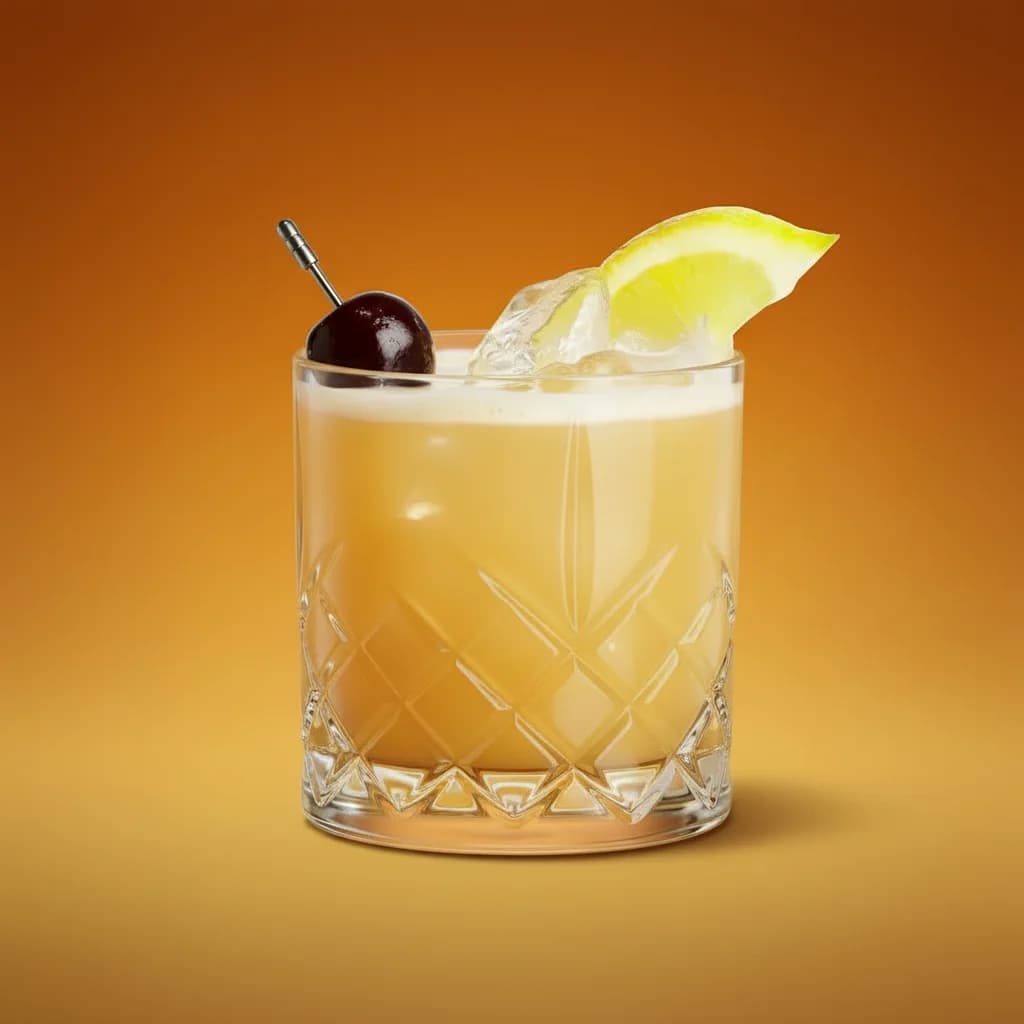
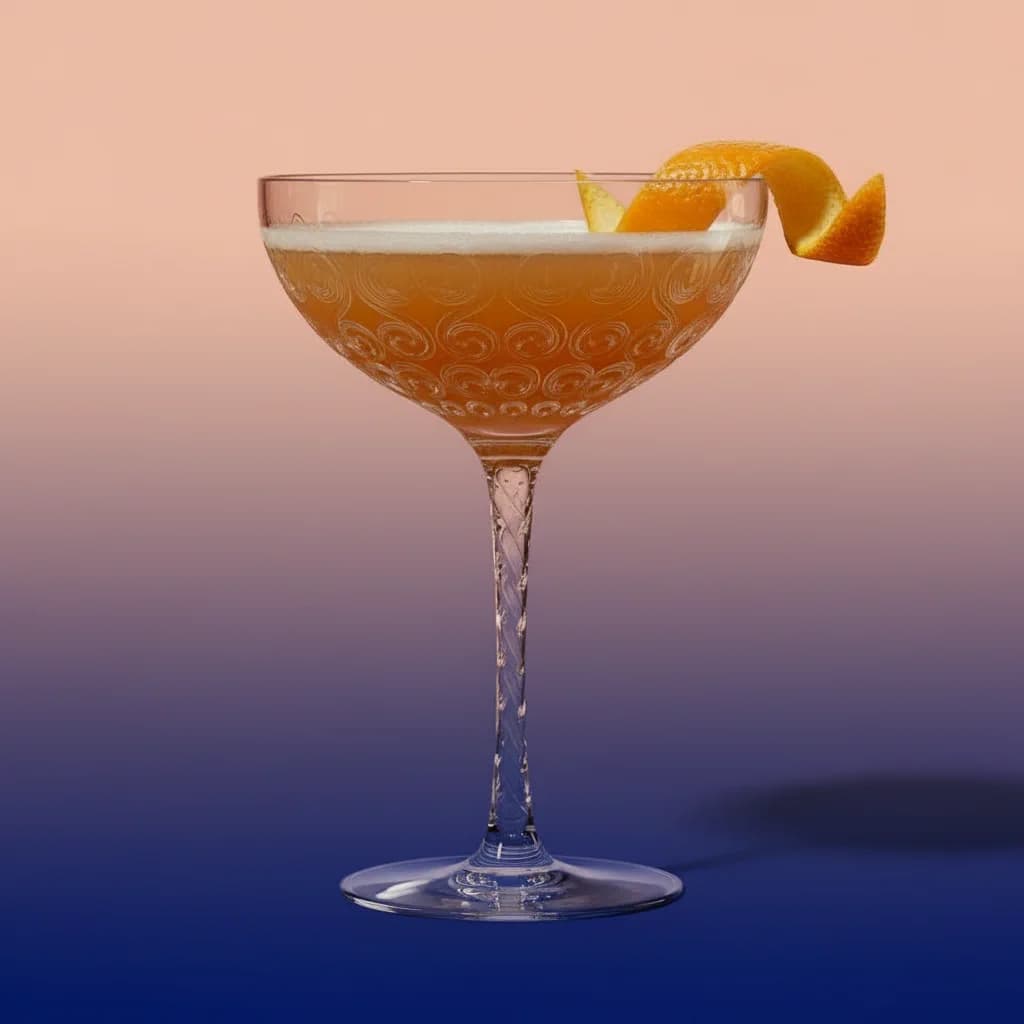
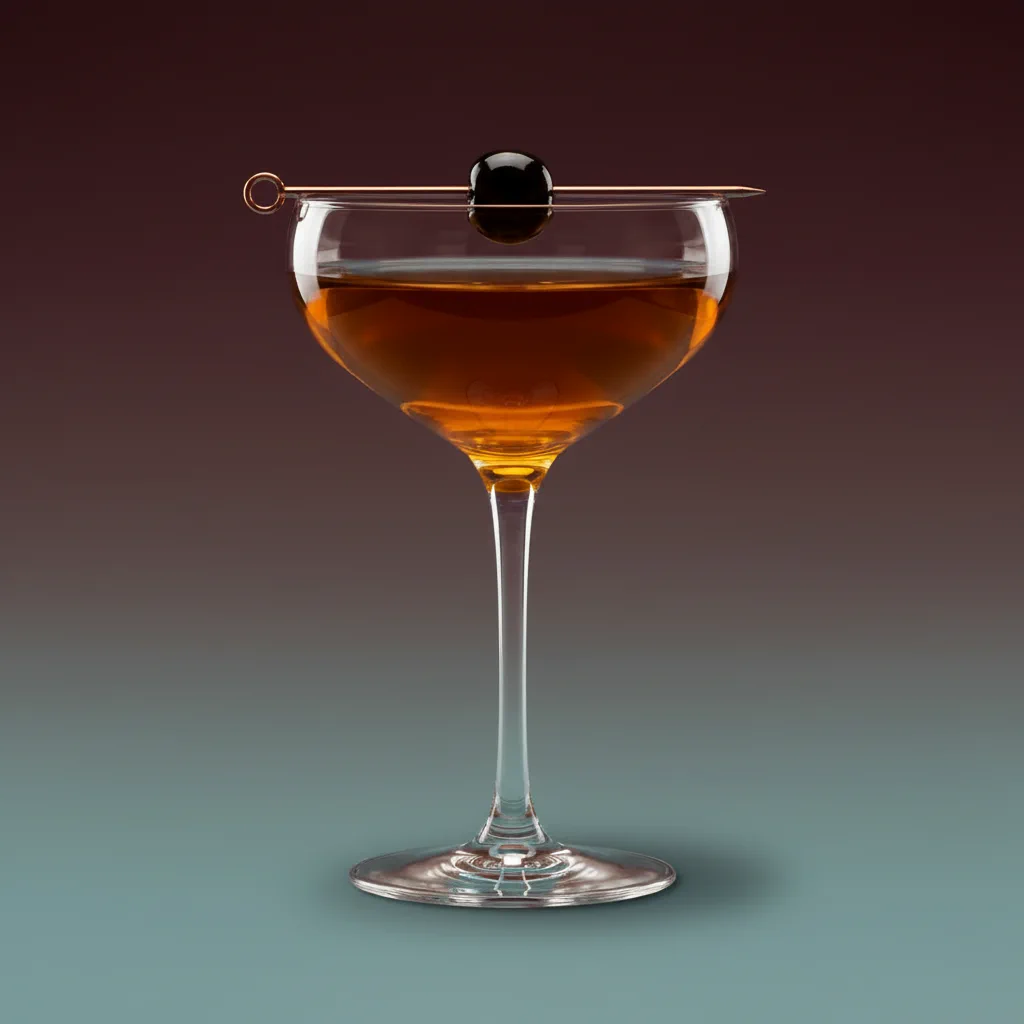
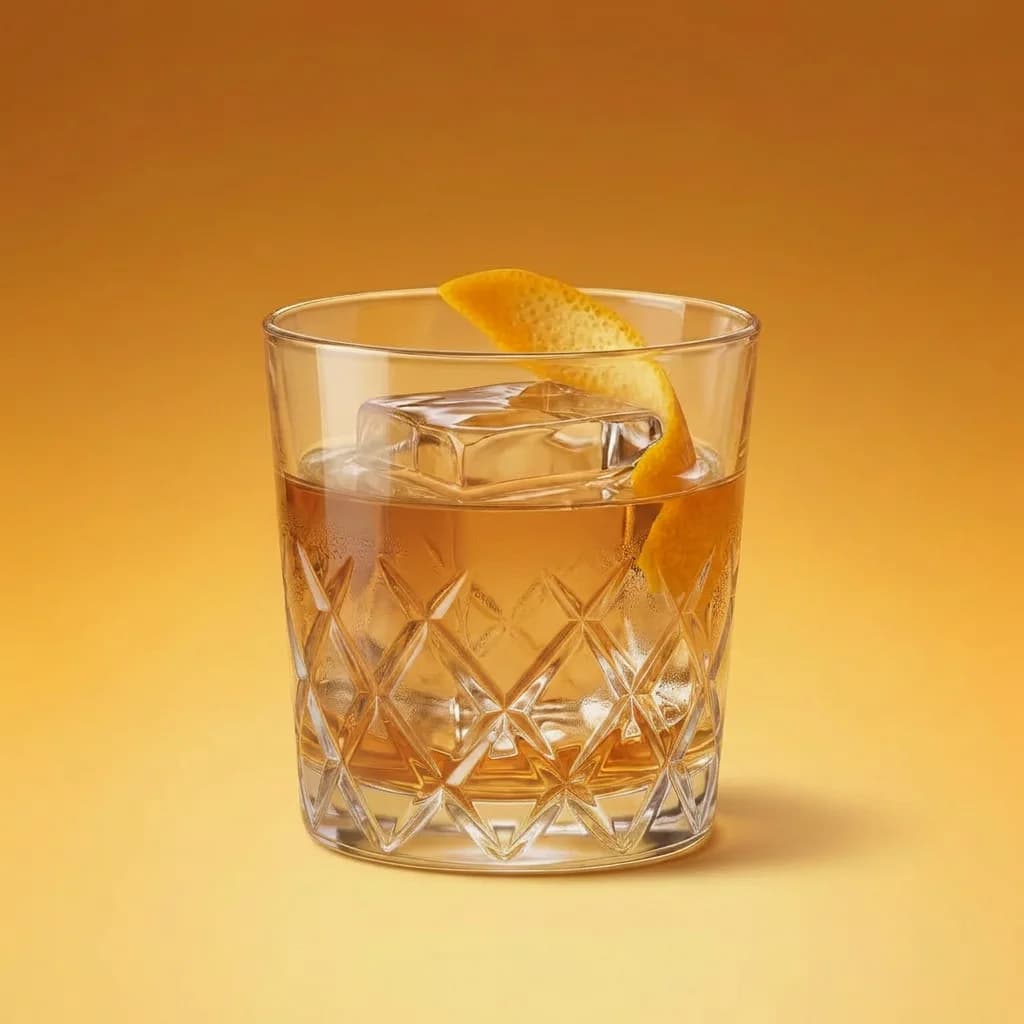
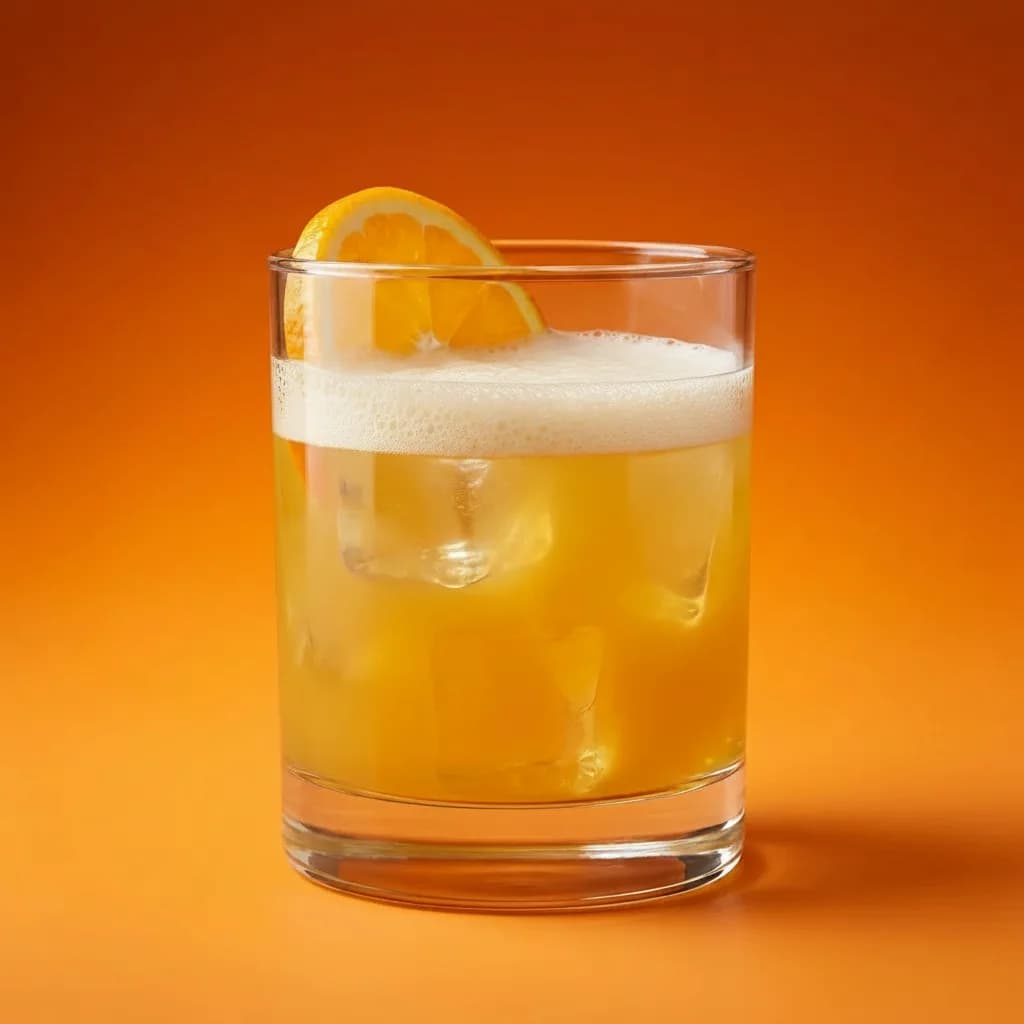
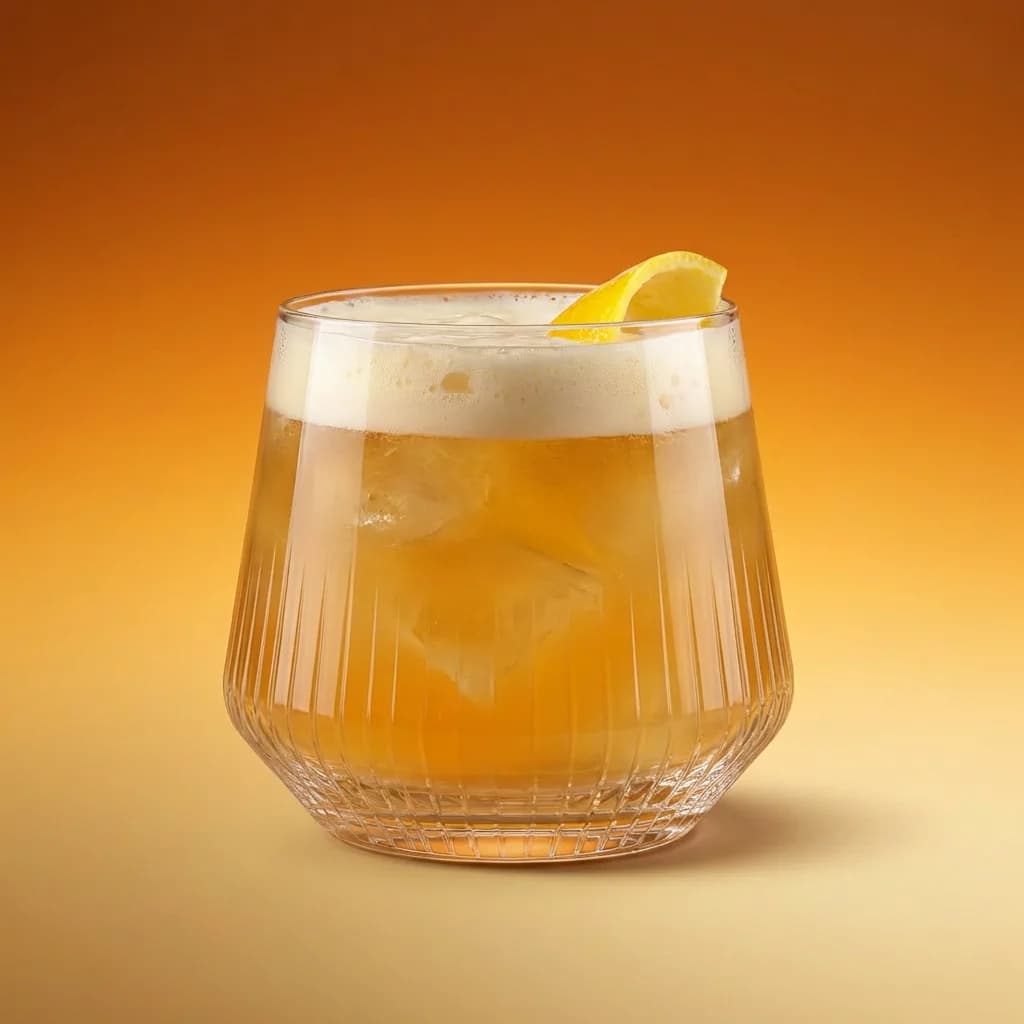
The Smoky Whisky Sour builds on peated single malt and blended Scotch, shaken with lemon, maple syrup and egg white for a smoke-edged sour. A billowy, cloud-like foam gives way to a tart, faintly sweet body, finishing with a lingering wisp of campfire smoke and bright citrus oil.
Ingredients
1
Servings
Garnish

Instructions for 1 serving
- Pre-chill a glass
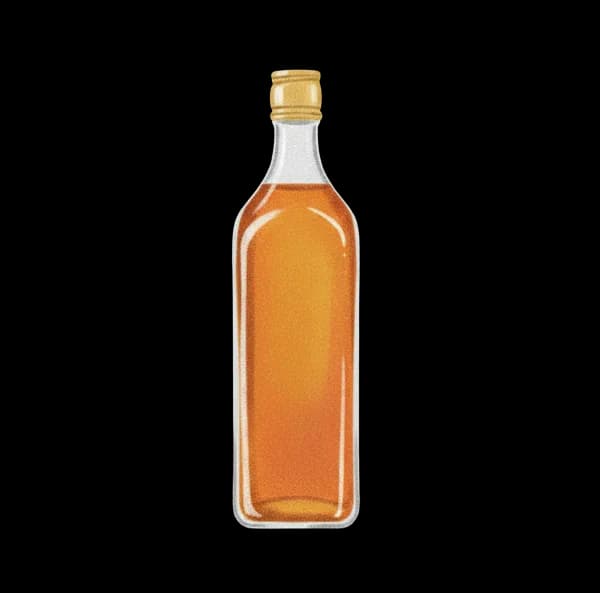
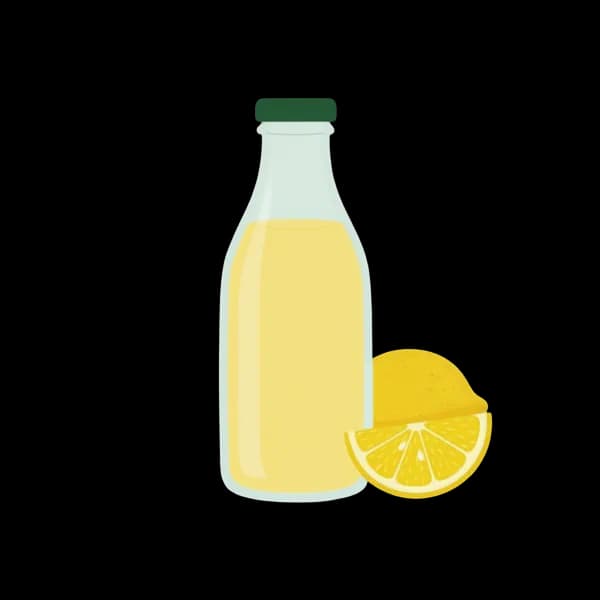
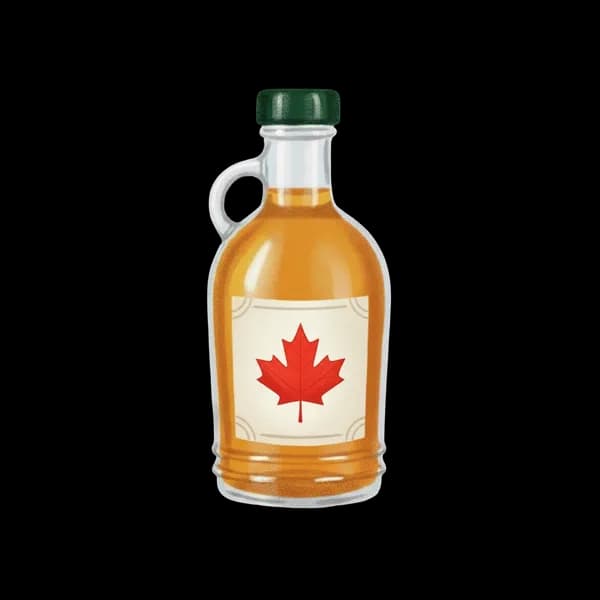
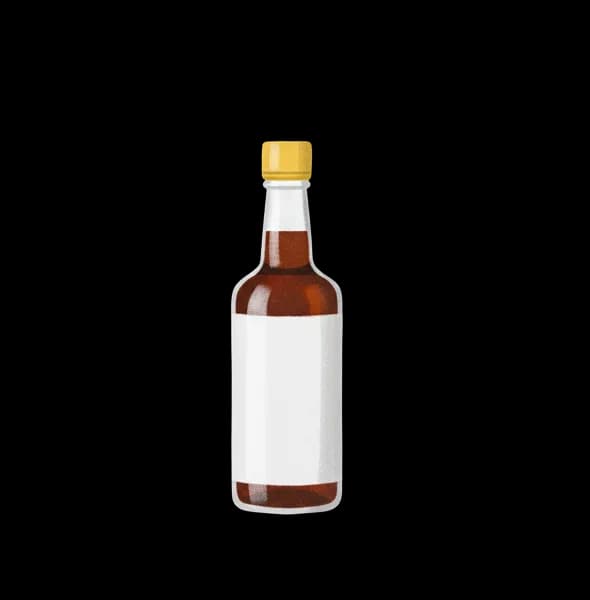
- Dry shake (without ice) all ingredients: Peated single malt whisky 30 mlBlended Scotch whisky 30 mlLemon juice 30 mlMaple syrup 20 mlAngostura aromatic bitters 1 dashEgg white 15 ml
- Add ice
- Shake all ingredients with ice
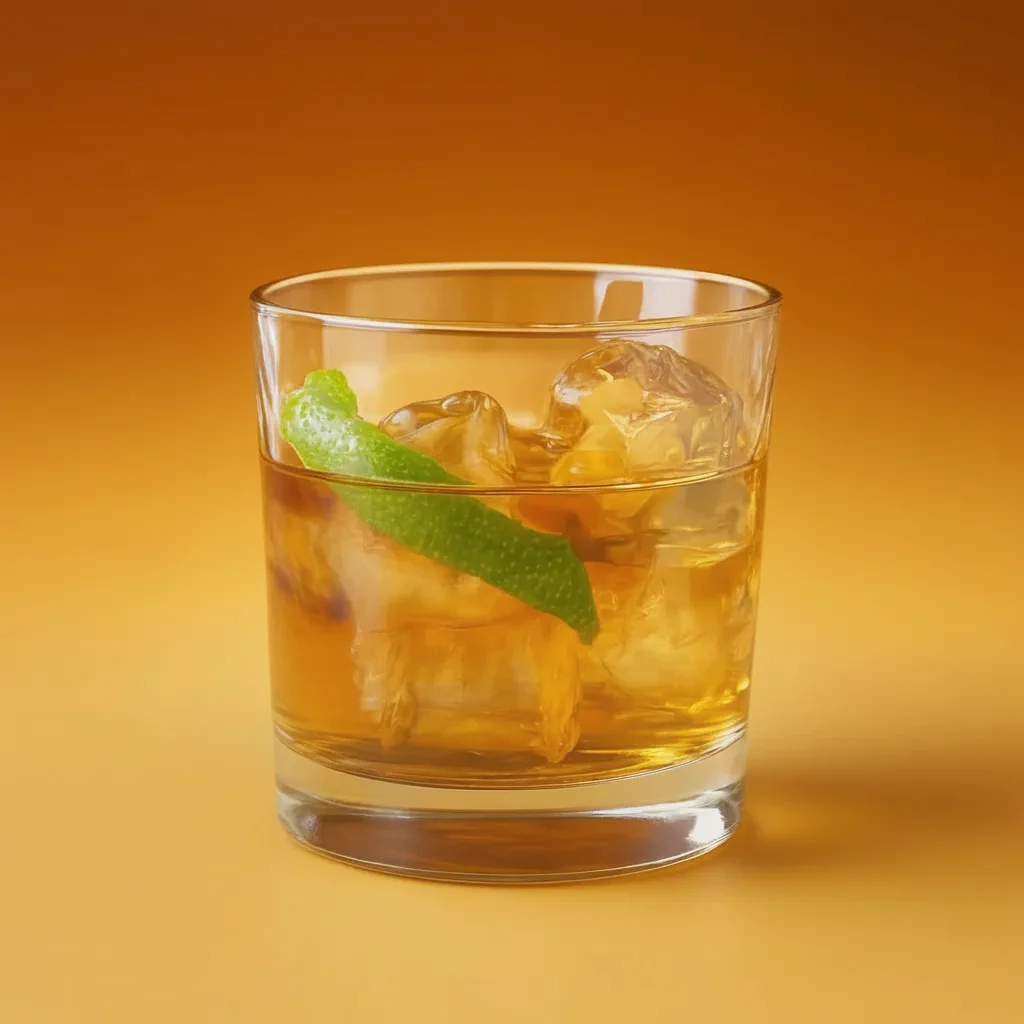
- Fine strain into the chilled glass with ice
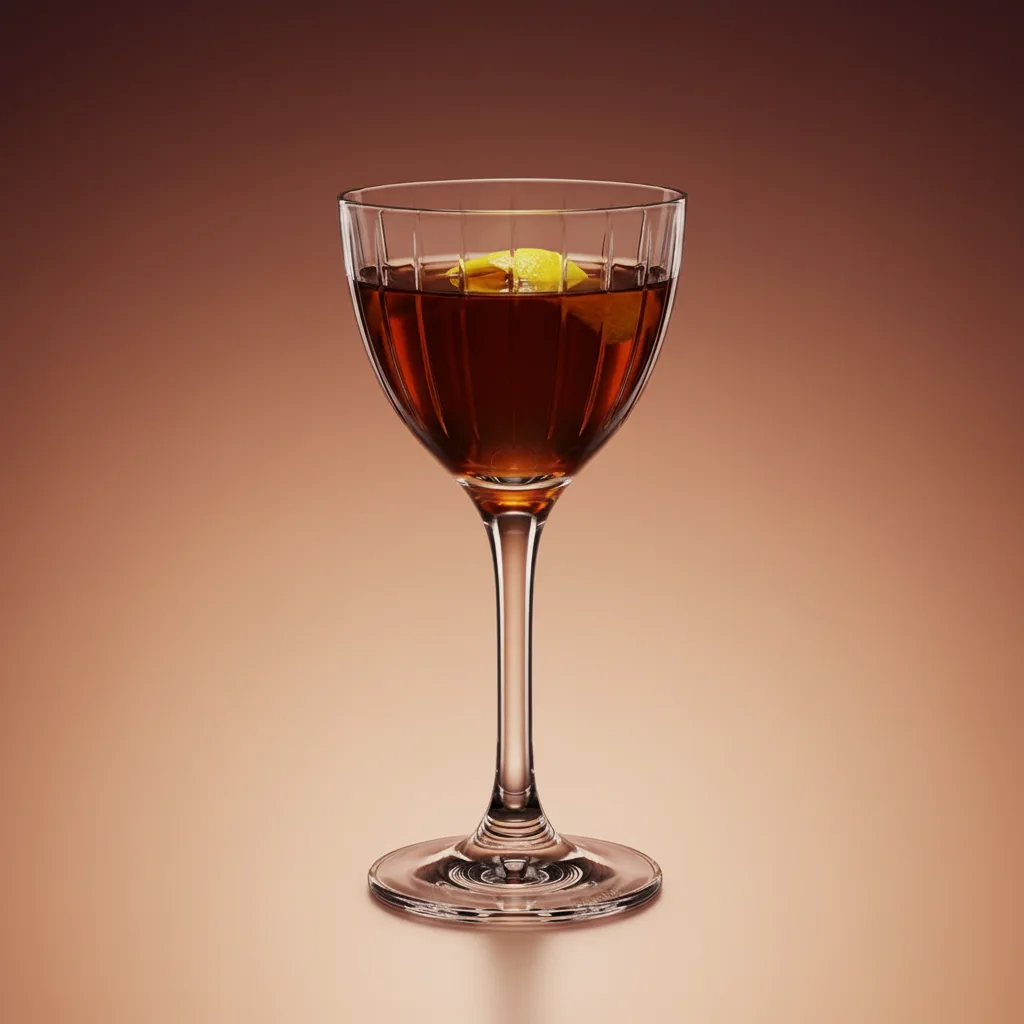
- Express a lemon twist over the cocktail and use as garnish
Tips
- Dry shake first without ice for a good 15 seconds so the egg white builds real foam before dilution starts.
History
The Smoky Whisky Sour is a modern riff on the classic Whiskey Sour that swaps in peated Scotch whisky, often alongside a blended Scotch, giving the drink a smoky edge in place of the usual bourbon or rye base. It appears in recent years across cocktail guides and distillery recipe pages as a straightforward build-your-own variation rather than a drink tied to one named bartender, bar, or debut year.
Its lineage traces to the Whiskey Sour, whose sour-style format of spirit, citrus, and sugar was recorded by bartender Jerry Thomas in his 1862 guide How to Mix Drinks, though the earliest known print reference specifically calling for whiskey in a sour appeared later, in an 1870 Wisconsin newspaper, the Waukesha Plaindealer.
FAQ
How do you make a Smoky Whisky Sour?
Dry shake the peated single malt, blended Scotch, lemon juice, maple syrup, bitters, and egg white without ice first to build foam, then add ice and shake again. Fine strain into a chilled old-fashioned glass with fresh ice and express a lemon twist over the top as garnish. This double-shake method is what gives the drink its thick, silky head.
What gives a whisky cocktail its smoky flavor?
The smoke comes from the whisky itself, not a separate smoking technique. This build uses a peated single malt whisky alongside a blended Scotch, so the smoke is built into the base spirit rather than added through mixers or infusions.
What is the best whisky for a Whiskey Sour?
A blended Scotch or bourbon is the classic choice, giving a smooth, balanced sour. This recipe splits the base between a peated single malt and a blended Scotch, so half the pour carries a smoky edge the standard version does not have.
What is the 3:2:1 ratio for a Whiskey Sour?
The 3:2:1 ratio is a classic shorthand for a Whiskey Sour: three parts whisky, two parts lemon juice, one part sweetener. This build keeps a similar whisky-forward balance but splits the spirit between two whiskies and adds egg white and a dash of bitters, making it a fuller variation on that ratio rather than a strict 3:2:1 pour.
What are common mistakes when making a Whisky Sour?
The most common mistake is skipping the dry shake, which leaves the egg white unfoamed and the drink thin and boozy instead of silky. Other frequent errors are under-straining, which lets pulp or foam flecks into the glass, and over-pouring the sweetener, which flattens the lemon's acidity.