Vodka Fruit Cup
A bubbly, spicy and sweet cocktail ∙ Build ∙ 2 min ∙ 12.9% ABV ∙
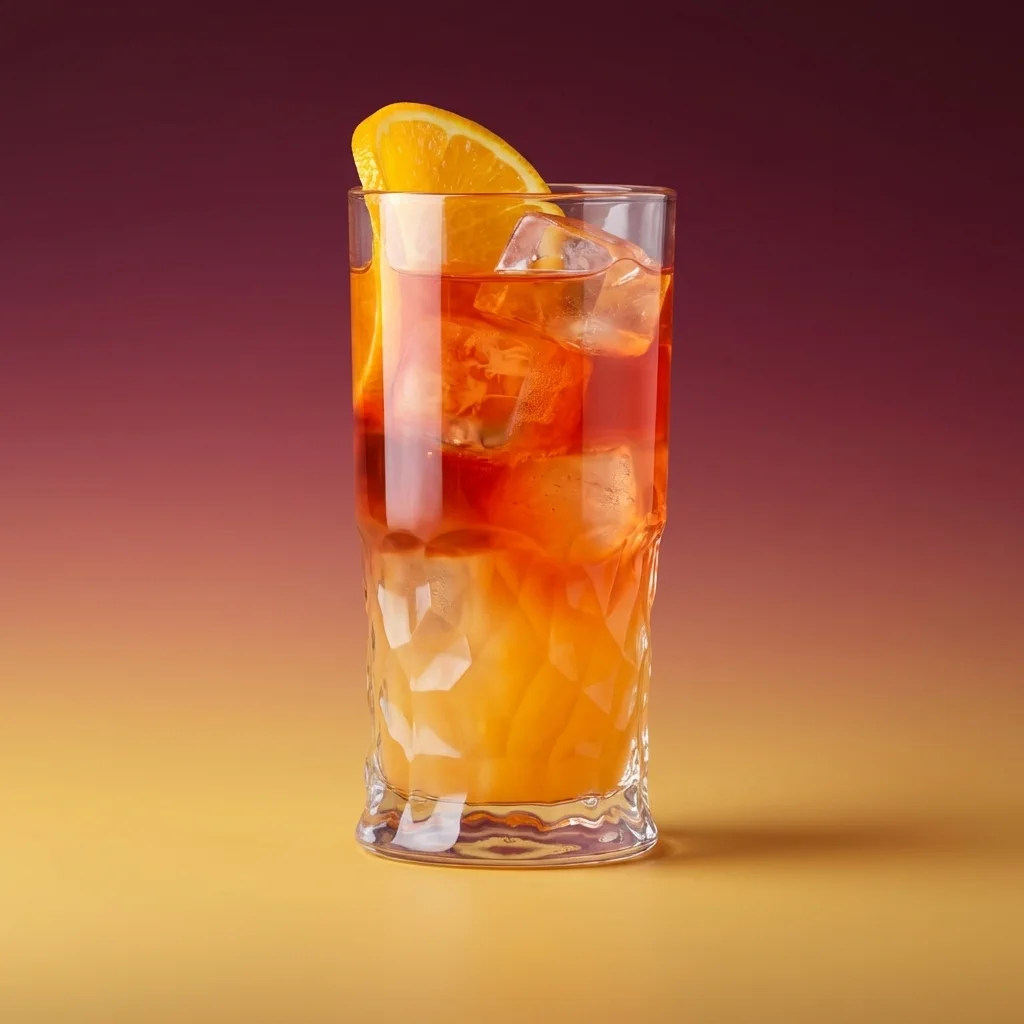
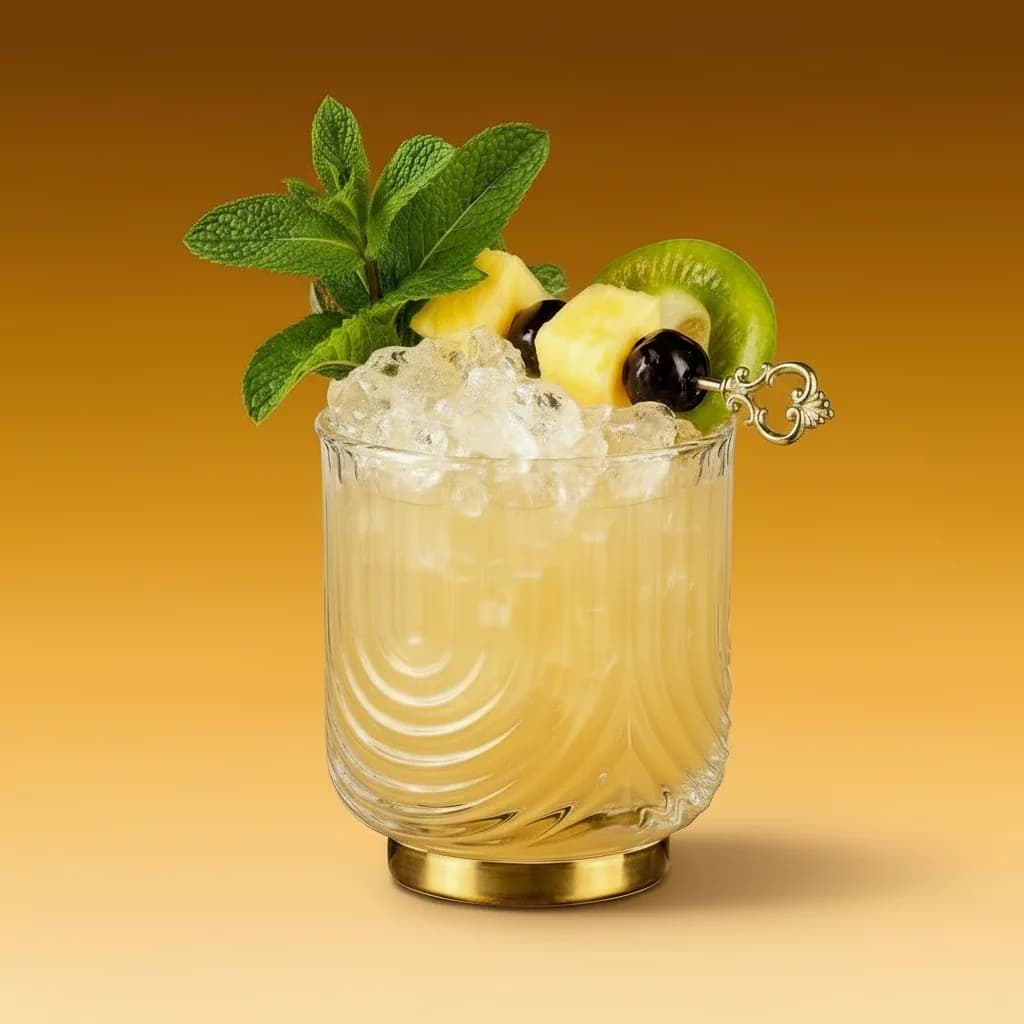
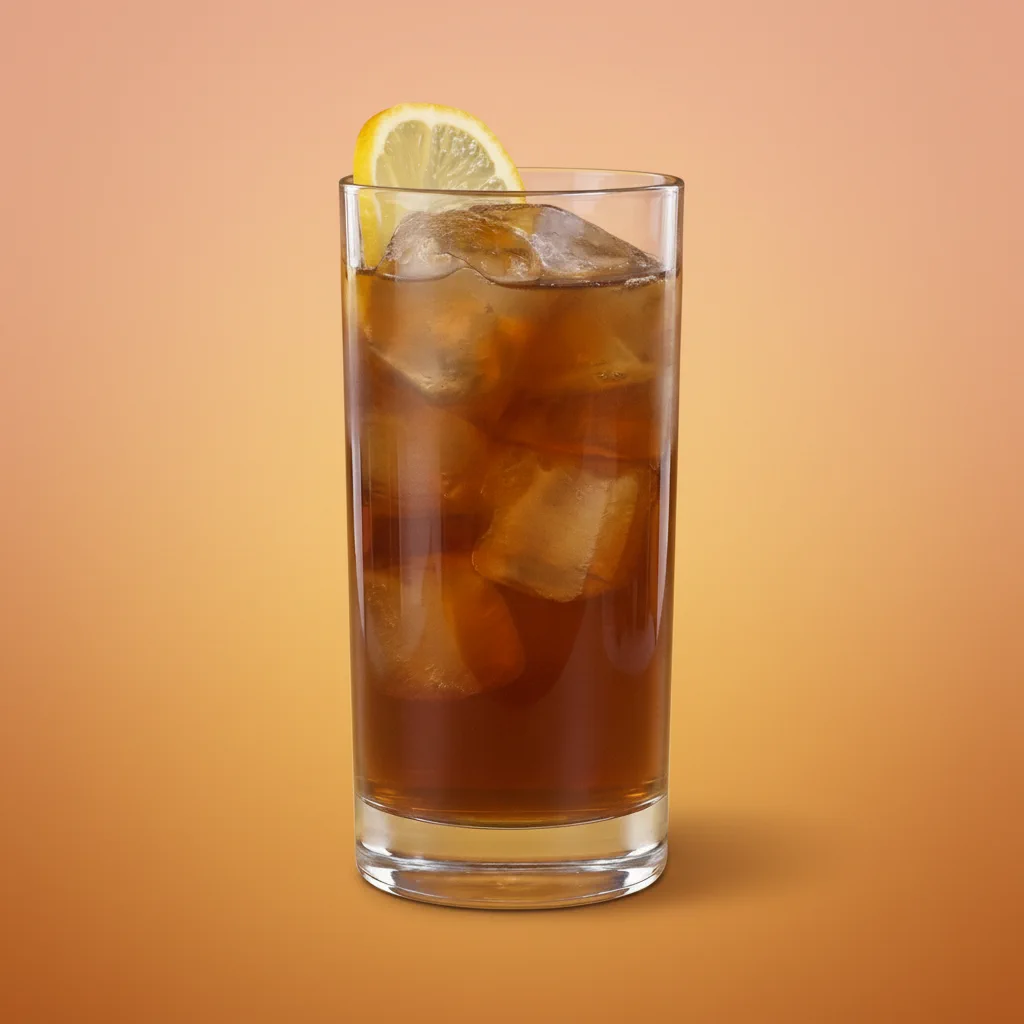
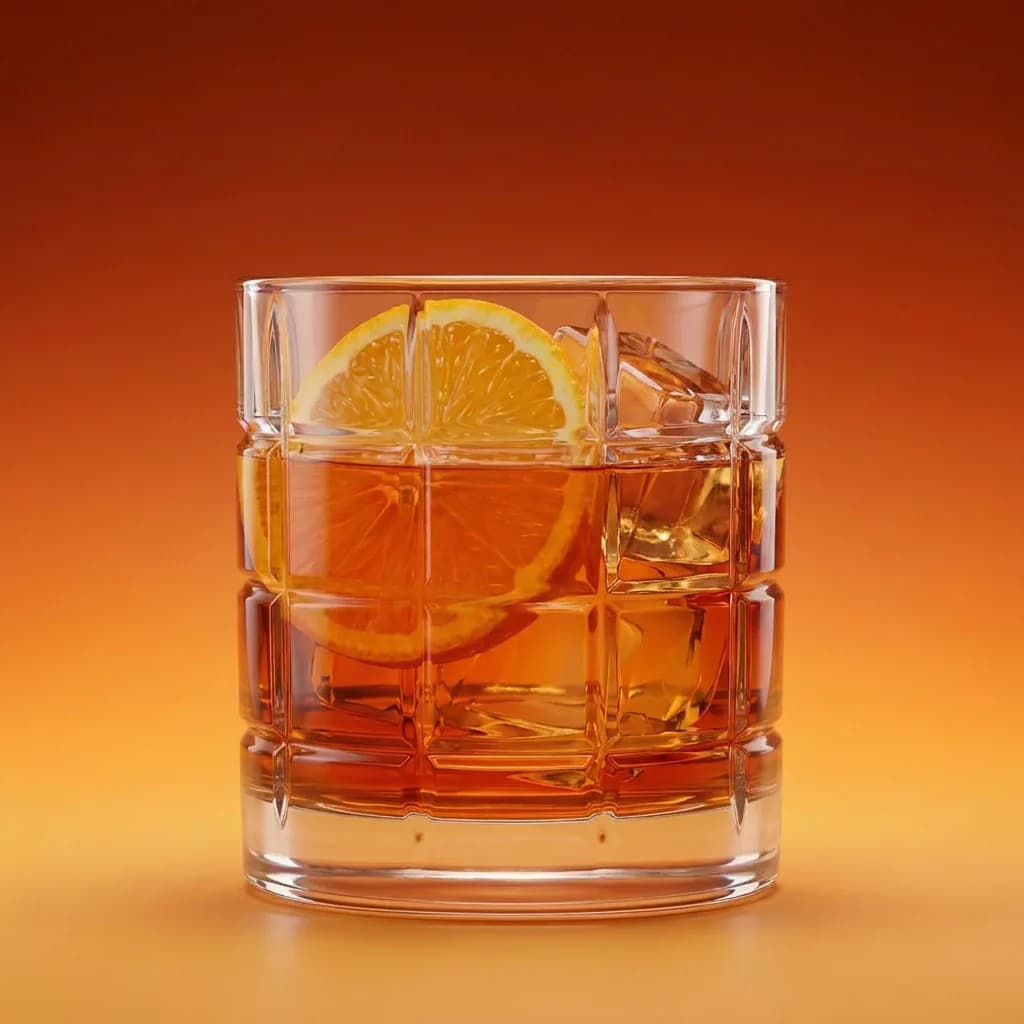
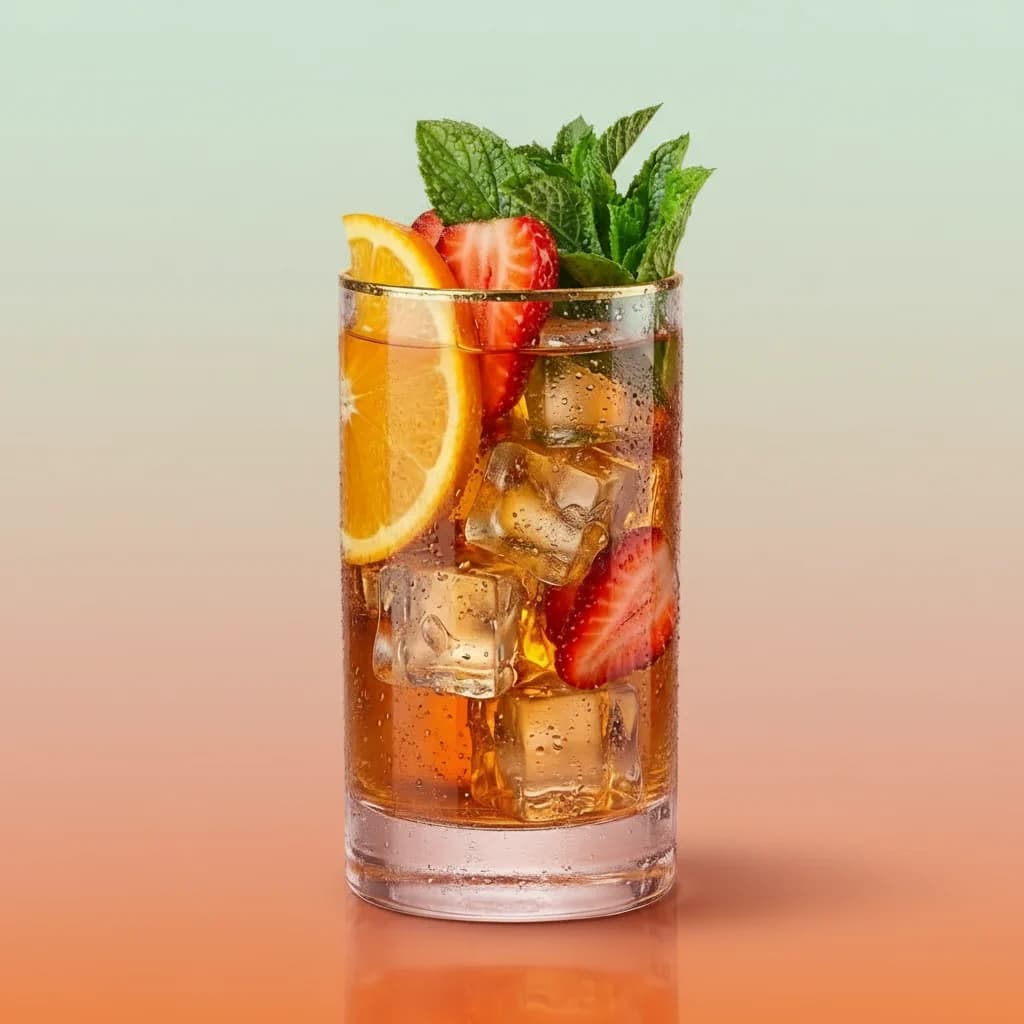
The Vodka Fruit Cup is a long built cocktail of vodka, orange curaçao, and sweet vermouth topped with ginger ale and cola over ice. Light and fizzy, with orange-tinged sweetness up front, a faint spiced bitterness underneath, and a crisp, gingery cola finish that drinks easy in a crowd.
Ingredients
1
Servings
Garnish

Instructions for 1 serving
- Pre-chill a glass
- Pour all ingredients into the glass: Vodka 25 mlOrange curaçao liqueur 25 mlRosso vermouth 25 mlAngostura aromatic bitters 2 dashesGinger ale 50 mlCola 50 ml
- Half fill the glass with ice
- Add a citrus slice and a couple of mint leaves from garnish
- Fill to the brim with ice
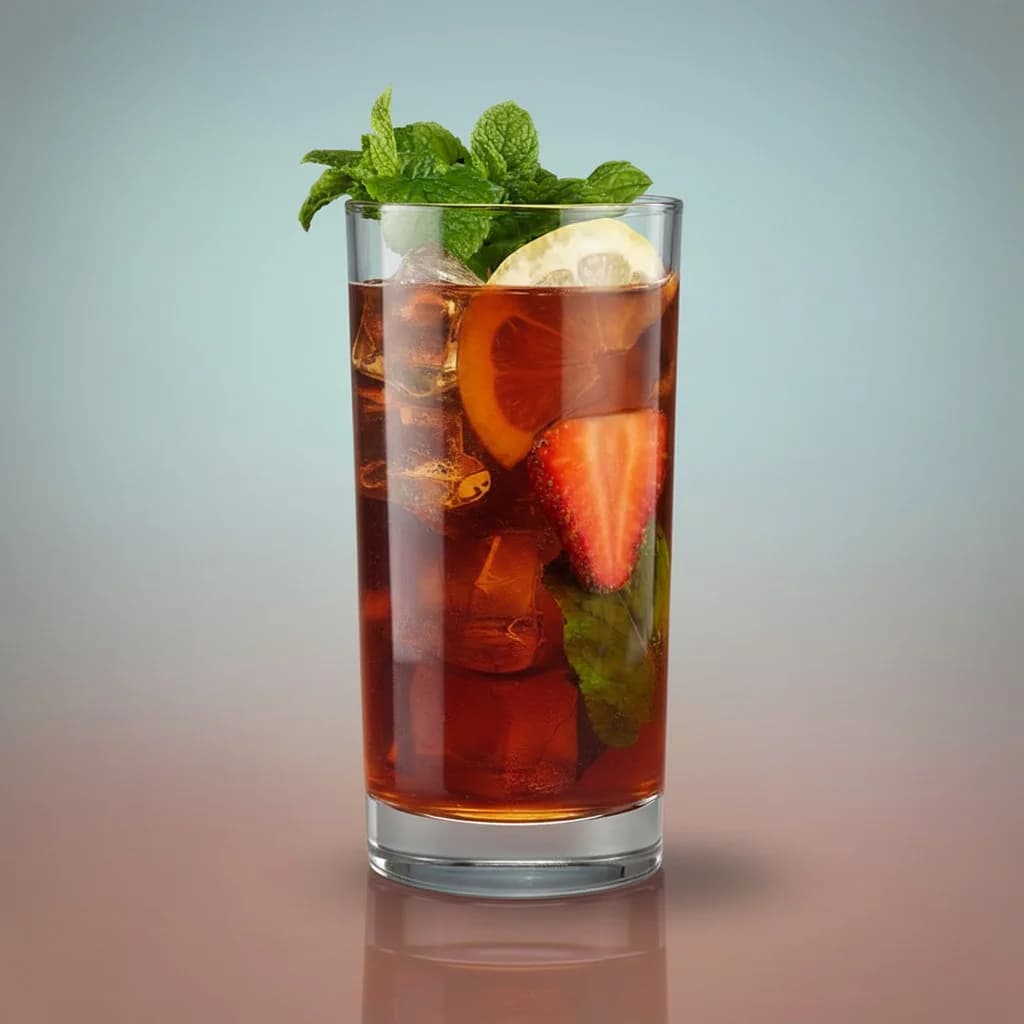
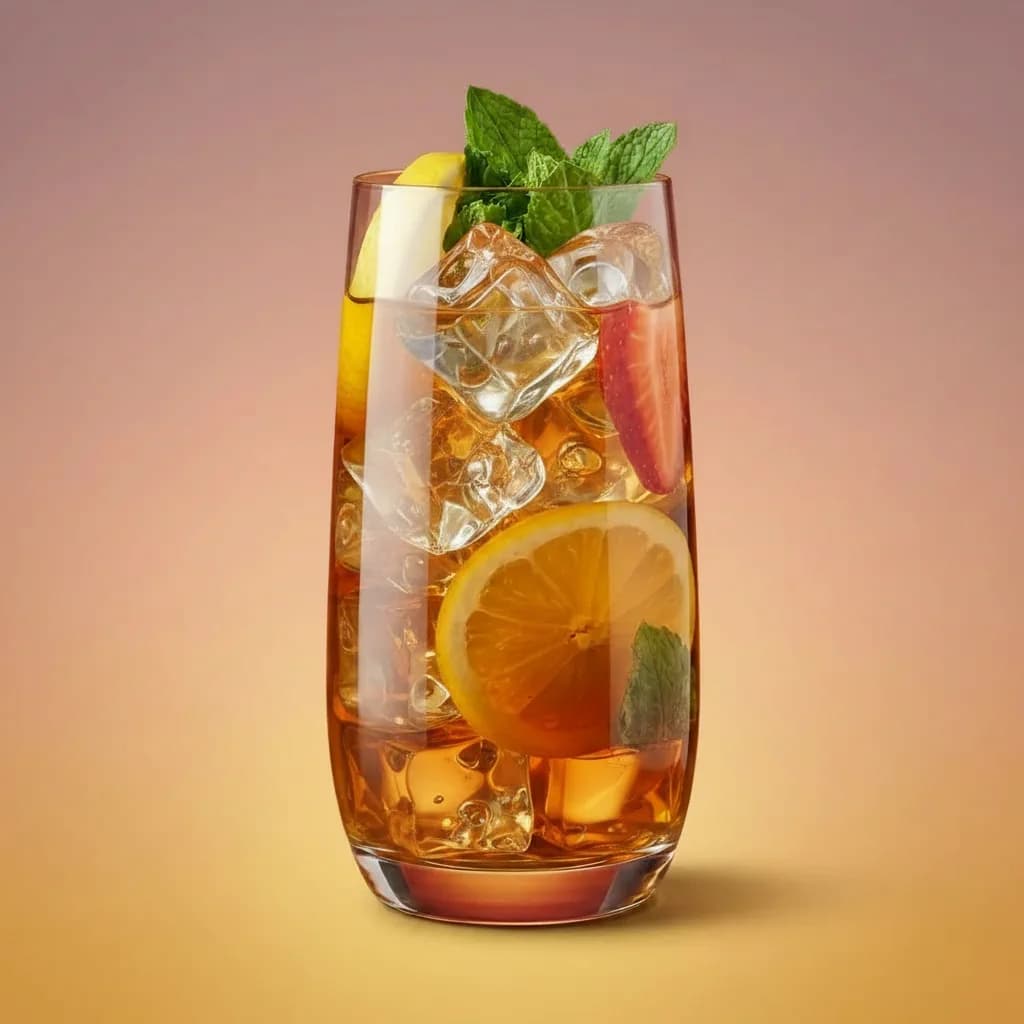
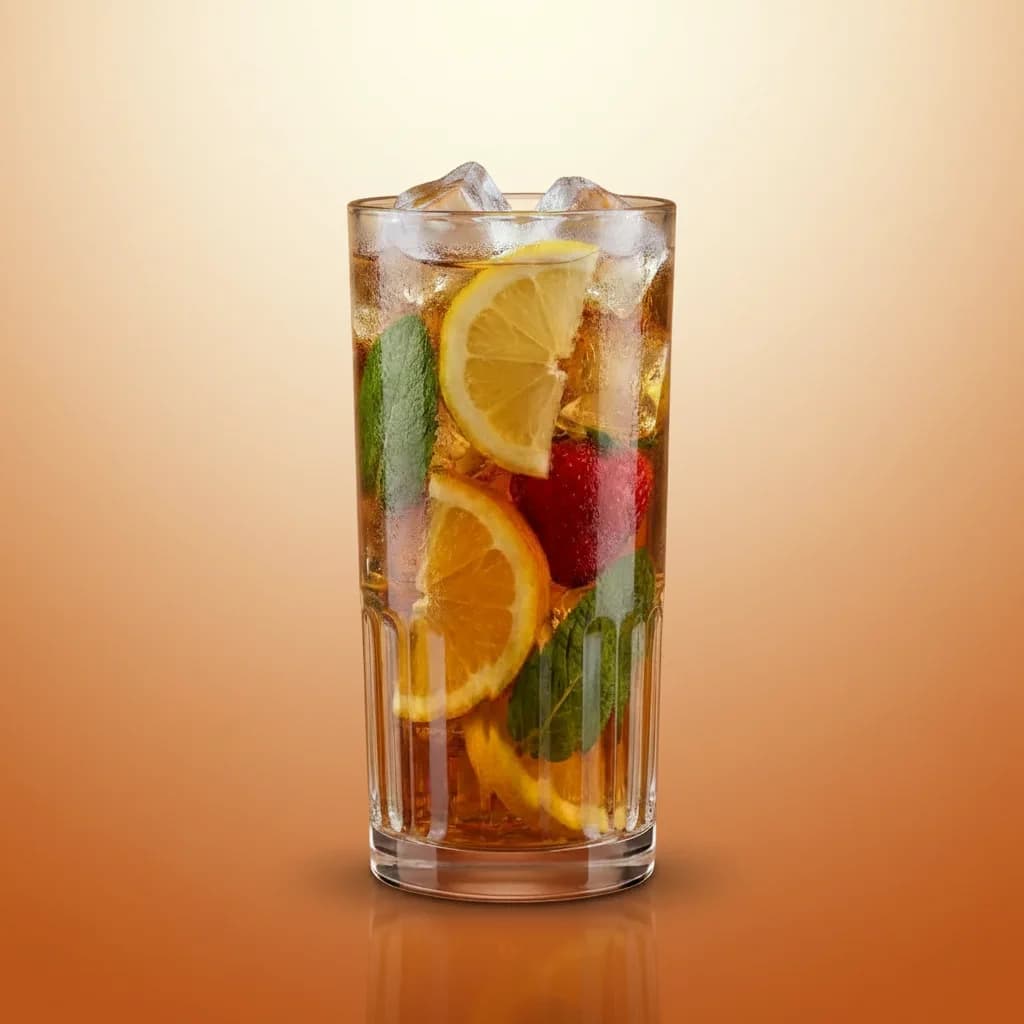
- Garnish with lemon slices, orange slices, strawberries and mint sprigs
- Note: Can be scaled up and served from a punch bowl or a large pitcher
History
The Vodka Fruit Cup is a modern take on the English fruit cup style, created in June 2017 by a bartender at the Cabinet Room in London as one entry in a themed series of fruit cups built on different base spirits. Where the traditional fruit cup uses gin, this version swaps in vodka as the base while keeping the long, lightly fizzy, fruit-and-herb-inflected structure of the style.
Fruit Cup is the umbrella name for a traditional English category of drinks combining a base spirit, fruit, herbs, and a sparkling mixer, popularized in the Victorian era and best known through Pimm's, whose gin-based original was reputedly first served by James Pimm at his London oyster bar around 1840. By the mid-20th century, Pimm's itself was sold in several numbered variants on different base spirits, a format later echoed by newer, non-Pimm's fruit cups built on spirits such as vodka.
FAQ
What are the ingredients in the Vodka Fruit Cup?
Vodka, orange curaçao liqueur, and sweet (rosso) vermouth, topped with ginger ale and cola and a couple of dashes of aromatic bitters. It's built over ice in a Collins glass and finished with lemon and orange slices, a strawberry, and a mint sprig.
What is a good fruity drink made with vodka?
The Vodka Fruit Cup is a good option: built long over ice with vodka and orange curaçao, then topped up with ginger ale and cola for a fizzy, low-proof 12.9% ABV sipper that's easy for a group.
How do you make fruit cups for a party?
This recipe notes it can be scaled up and served from a punch bowl or a large pitcher instead of individual glasses. Build the vodka, orange curaçao, vermouth, bitters, ginger ale, and cola together over ice, then finish with lemon, orange, strawberry, and mint so guests can help themselves.
What is the liquid base in a fruit cup?
The liquid base is vodka, orange curaçao, and sweet vermouth, lengthened with ginger ale and cola. The fruit and mint go in as garnish once the glass is built over ice, not steeped into the base beforehand.