Julep (Generic Name)
Muddle; Shake ∙ 4 min ∙ 21.6% ABV ∙
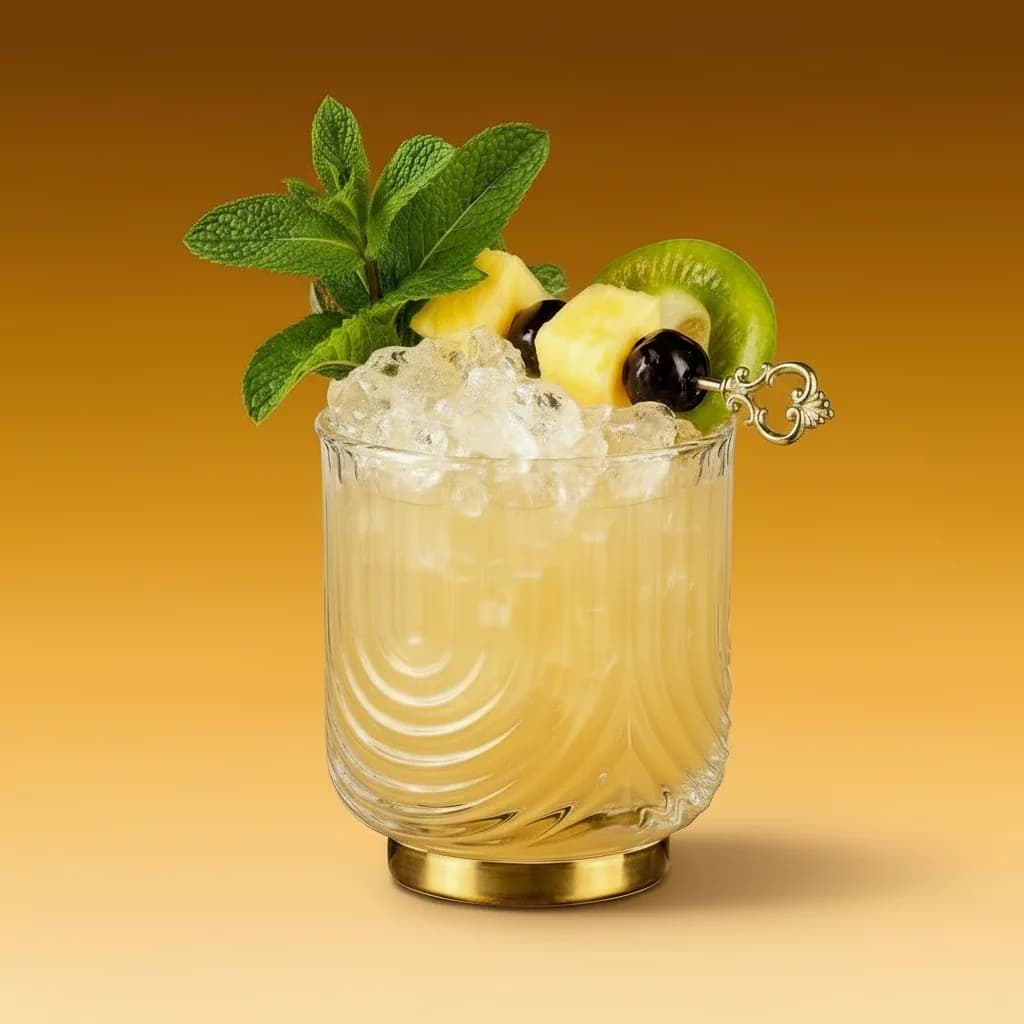
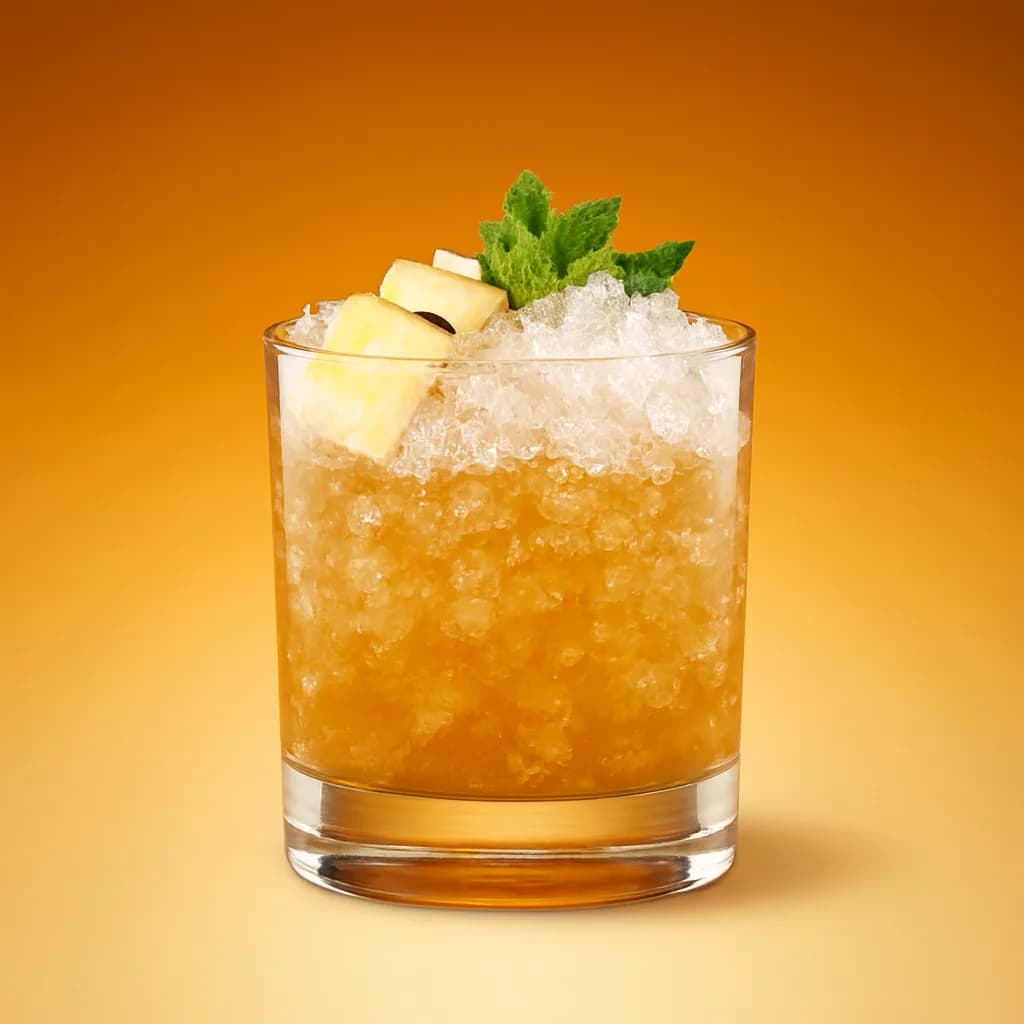
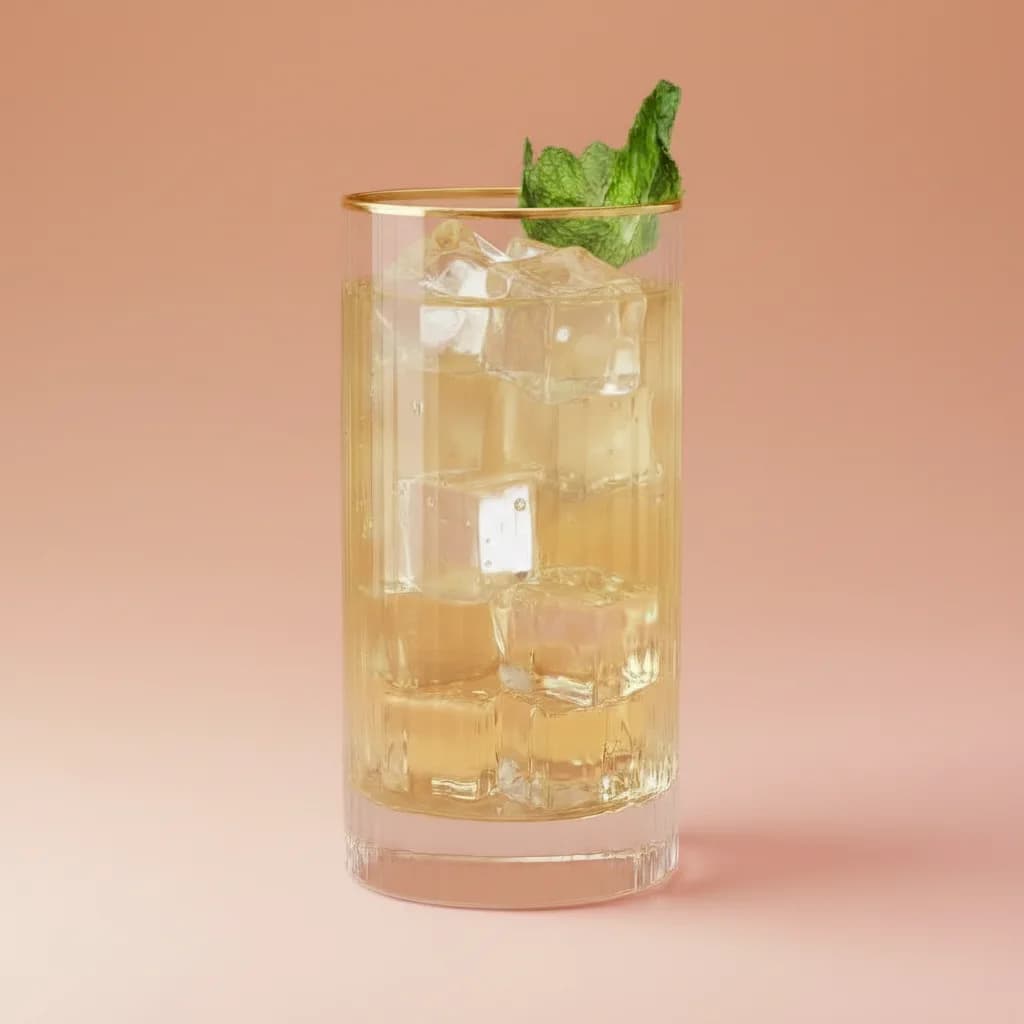
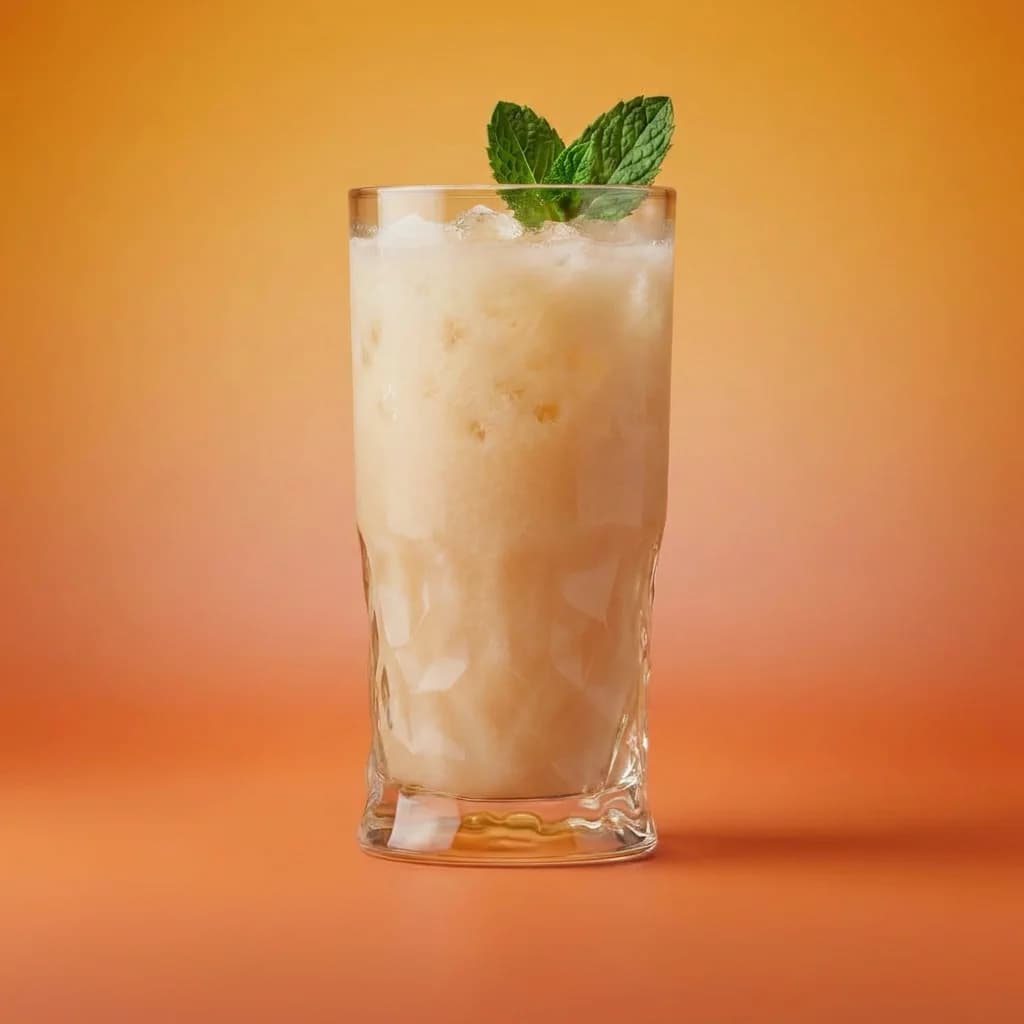
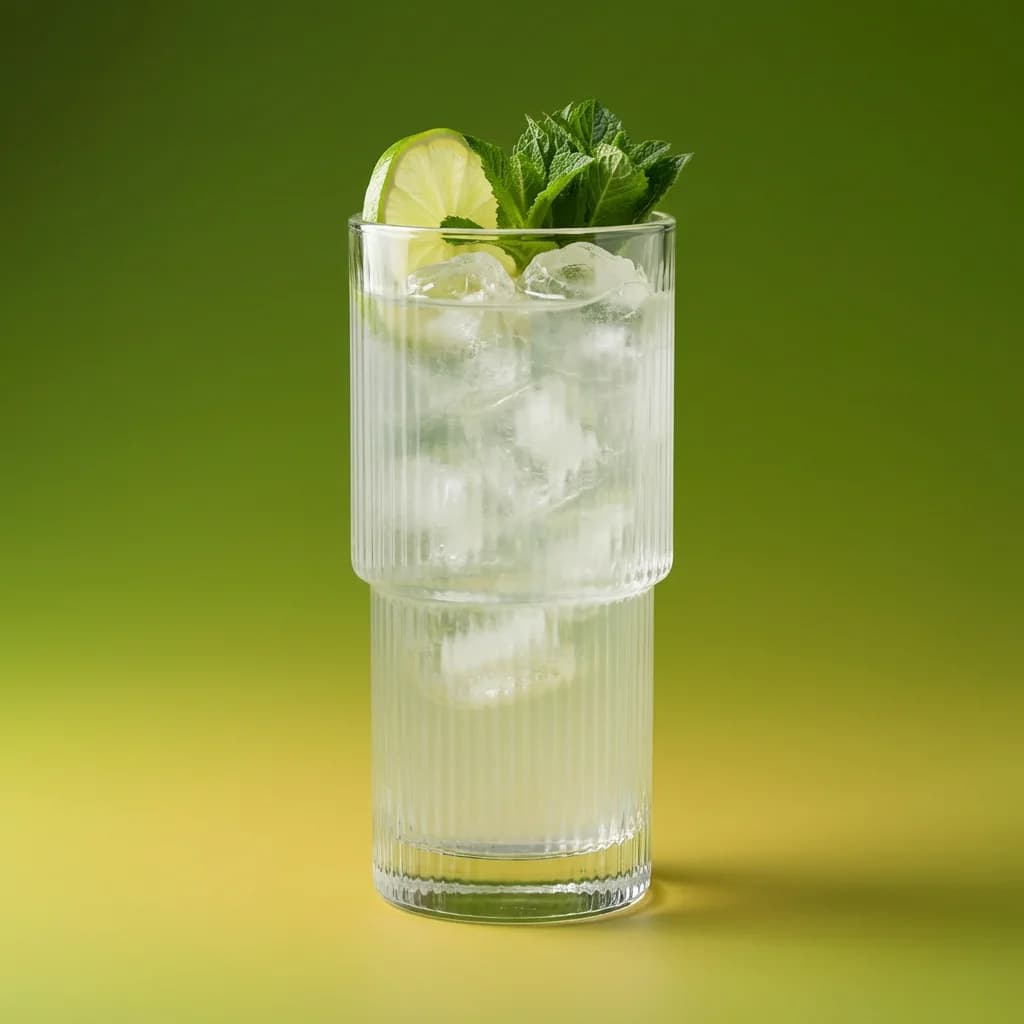
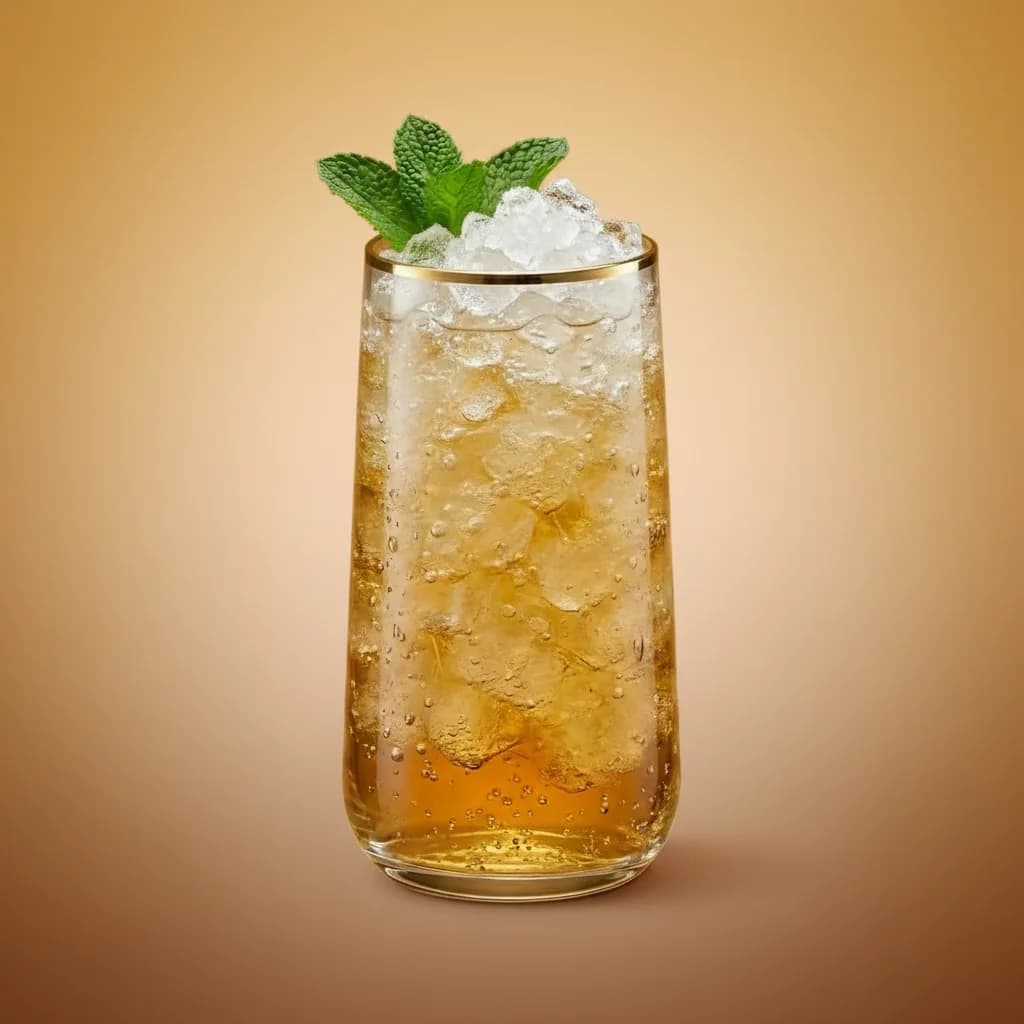
This Julep is a shaken, brandy-based take on the classic mint-and-spirit family, mixed with cane syrup and bitters and served over crushed ice. Crushed ice delivers a slushy, cooling texture while the muddled leaves release a bright, herbal snap through a smooth, lightly sweetened finish.
Ingredients
1
Servings

Garnish
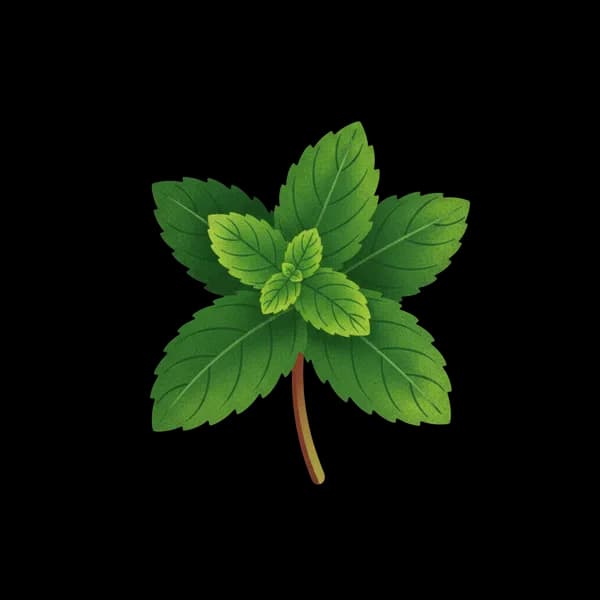
Instructions for 1 serving
- Pre-chill a glass
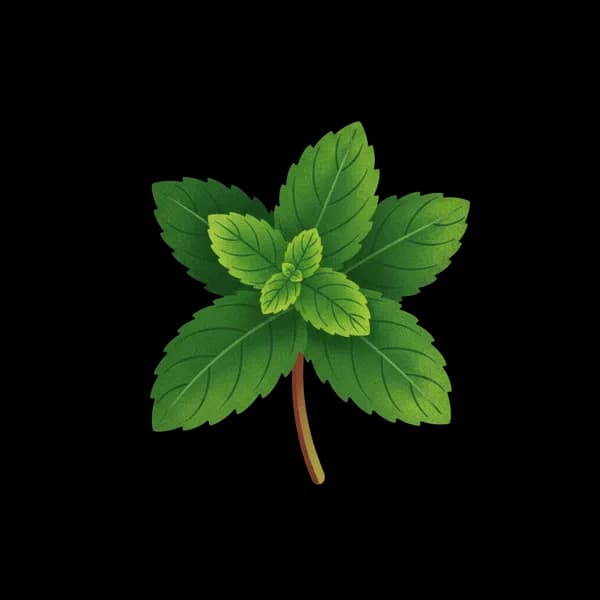
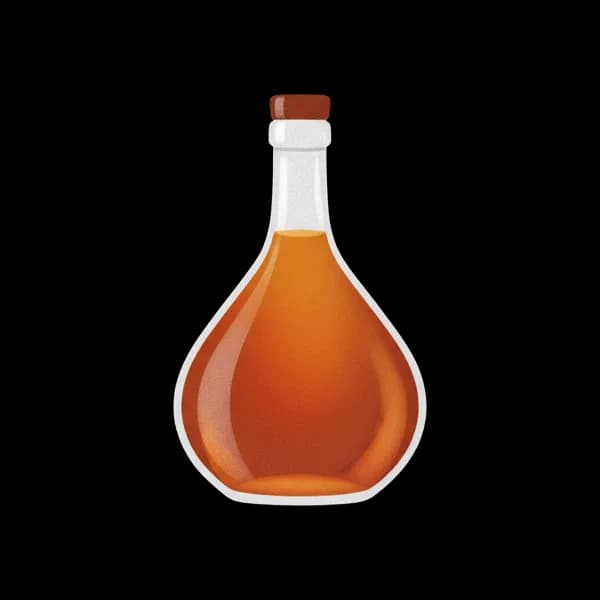
- Lightly muddle in the base of the shaker: Fresh mint leaves 12 pcs and Brandy
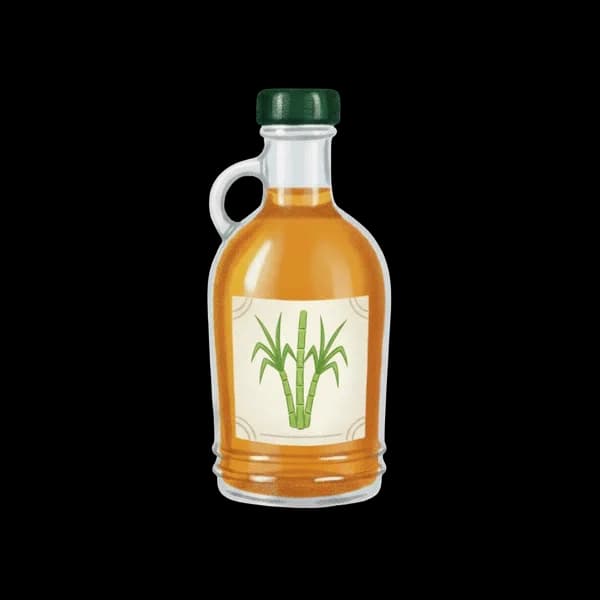
- Add the remaining ingredients: Brandy – 75 ml, Cane syrup 10 mlAngostura aromatic bitters 3 dashes to shaker with ice
- Shake all ingredients with ice
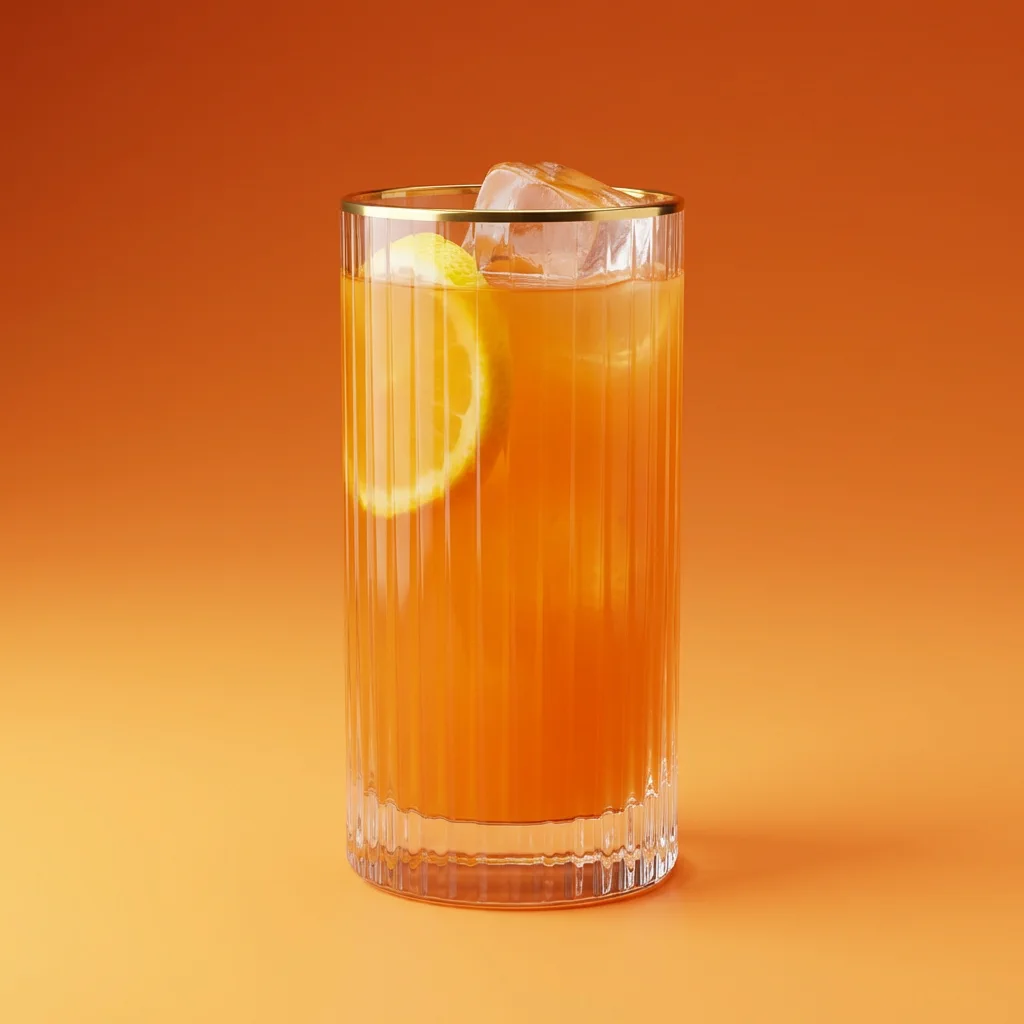
- Strain into Collins glass filled with crushed ice
- Churn with a bar spoon
- Top with more crushed ice
- Garnish with a mint sprig
Tips
- Muddle the mint gently in the shaker's base — bruise the leaves to release oil, don't pulverize them into bitter, grassy shreds.
- Top with fresh crushed ice after churning so the mint sprig garnish sits high and stays fragrant as it's sipped.
- Churn the drink with a bar spoon after straining onto crushed ice to draw the mint and bitters through evenly before topping up.
History
The word "julep" is older than the drink: it derives from the Persian gulab, meaning rosewater, and originally named a medicinal syrup-and-water mixture used in Britain to mask the taste of medicine. In Britain's American colonies, particularly Virginia, the term took on a new, more spirituous meaning by the late 18th century, becoming a mix of spirit, sugar, water, and mint rather than a remedy. Early versions used rum or brandy, with rum falling out of favor by the 1820s except as an aromatic float, while brandy, peach brandy, and various wines remained common, especially among African American bartenders such as John Dabney, who built a reputation on elaborate julep service.
Ice became more widely available in American bars in the early 19th century, and the julep, now served over ice, spread quickly across the country and abroad, helping popularize iced drinks generally. Whiskey was for a long time considered too low-status for what was seen as a refined, even aristocratic drink; when Jerry Thomas included the julep in The Bar-Tender's Guide in 1862, he reserved the name "Mint Julep" for the brandy version, listing whiskey as a separate variation. That hierarchy reversed after the Civil War, as bourbon and other whiskeys took over the drink from the 1870s onward and it became closely tied to Southern identity. In 1938, Churchill Downs, home of the Kentucky Derby, formalized its long-standing association with the drink by naming the bourbon Mint Julep its official cocktail.
FAQ
What is a julep cocktail?
A julep is a family of cocktails built on a spirit, sugar, and fresh mint, traditionally served over crushed ice. This version is muddled with mint and shaken with brandy for a bright, aromatic result, then strained into a Collins glass over crushed ice and finished with a mint sprig.
Why is it called a julep?
The word julep comes from the Persian gulab and Arabic julab, meaning rosewater, originally referring to a sweetened medicinal syrup used to make bitter medicine palatable. The name later attached to mint-and-spirit drinks served over ice, a usage that stuck as the format became a cocktail category rather than a remedy.
Is a mojito a julep?
No, a Mojito is not a julep, though both are mint-and-spirit drinks. A Mojito is a rum highball built with lime juice and topped with soda water; a julep is built on crushed ice with a spirit, sugar, and mint but no citrus, and is typically churned rather than topped long.
Are there different variations of juleps?
Yes, juleps vary mainly by base spirit. Bourbon is the most famous version, especially at the Kentucky Derby, but brandy, gin, rum, and other spirits all appear in julep recipes; this version is built with brandy, cane syrup, mint, and Angostura bitters.
What are the ingredients in a julep?
A julep is a spirit, sugar, and fresh mint served over crushed ice. This version combines brandy, fresh mint, cane syrup, and Angostura aromatic bitters, shaken and then strained over crushed ice in a Collins glass, garnished with a mint sprig.
What makes a julep a julep?
The defining elements are a spirit, sugar, and fresh mint packed over crushed ice. The crushed ice is central: it chills fast, dilutes gradually as it melts, and frosts the glass, which is why the mint sprig garnish and the churned crushed-ice fill matter as much as the spirit choice.
What is a julep herb?
Fresh mint is the herb used in a julep, muddled or bruised to release its oils before the spirit and sugar are added. It is the drink's signature aromatic, meant to hit the nose on every sip rather than dominate the flavor, which is why it is added gently rather than crushed hard.